 English

Braces and Invisalign in Tijuana: Cost and Visits From the U.S.
Invisalign from $3,500 USD and braces with a personalized estimate. Treatment length, visit frequency and what to ask if you travel from the U.S.
Short answer: at The Special Teeth, Invisalign has a reference price starting at $3,500 USD, and metal braces are quoted individually after your evaluation (The Special Teeth, n.d.). But with orthodontics, price is only half the decision: the other half is how many times you will need to come to Tijuana over one or two years.
Consider a hypothetical situation: someone who lives in San Diego is comparing two quotes on their phone. One looks cheaper, but neither says how many visits are included, what happens if a bracket comes loose on a Tuesday or who pays for the retainer at the end. The number is easy to compare; the two-year calendar, not so much. This guide helps you put both on the table.
How long treatment lasts and how often you need a visit
The American Association of Orthodontists (AAO) explains that most people wear braces for 12 to 24 months; mild corrections may take a few months and complex cases longer. Adjustments are scheduled every 4 to 12 weeks, depending on the stage of treatment (American Association of Orthodontists [AAO], n.d.-a). In another article, the AAO notes that today’s advances allow 6 to 10 weeks between appointments, although in-person visits are still needed to check tooth movement, the health of teeth and gums, and the appliance (Leber, 2025).
Example: how many visits fit in 18 months
One visit every 6 weeks: about 13 visits
One visit every 8 weeks: about 10 visits
18 months ≈ 78 weeks. Each dot represents one follow-up visit.
If you live in San Diego or Chula Vista, the clinic is about 10 minutes from the San Ysidro border. The drive in Tijuana is short, but the total time for each visit also depends on the border wait, which changes by day and time. Leave some margin in your schedule and, if you live farther away, ask during your evaluation how many in-person visits the specialist expects for your case.
Braces or Invisalign: differences that matter when you cross the border
| Metal braces | Clear aligners (Invisalign) | |
|---|---|---|
| Daily wear | Fixed, all day | At least 22 hours a day; removed to eat, drink, brush and floss |
| Changes | Adjusted at the clinic | You switch aligners at home, usually every one to two weeks, as instructed |
| Appointments | Every 4 to 12 weeks | Regular check-ups; some offices offer remote monitoring |
Table sources: AAO (n.d.-a, n.d.-b); Leber (2025).
Aligners can cut how often you need a visit because each one is worn for one to two weeks and patients receive several at once (Leber, 2025). However, the AAO points out that they are not right for everyone and that some cases are treated more predictably with braces (AAO, n.d.-b). A systematic review with meta-analyses of 11 studies and 887 patients (mean age 28) found that, in adults, aligners were associated with worse bite outcomes than fixed appliances, with no significant difference in treatment duration; the quality of the evidence was moderate (Papageorgiou et al., 2020).
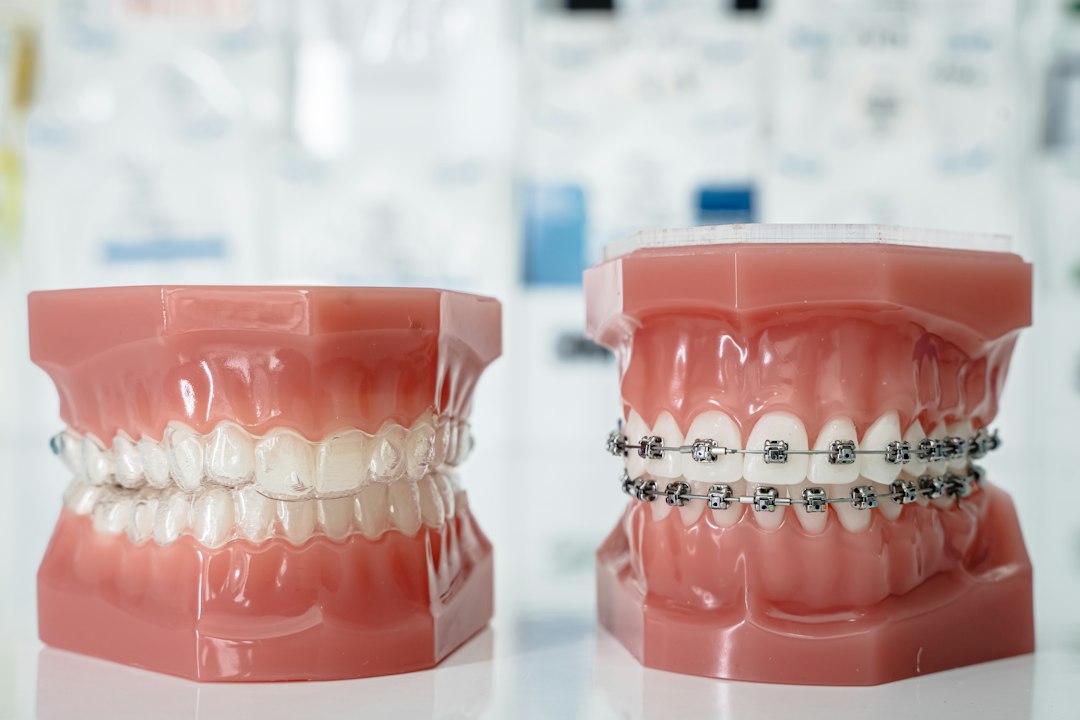
The practical takeaway is not that one is better than the other, but that the choice depends on your diagnosis: tooth position, bite, gum health and how consistent you can be with daily wear.
What your estimate should include
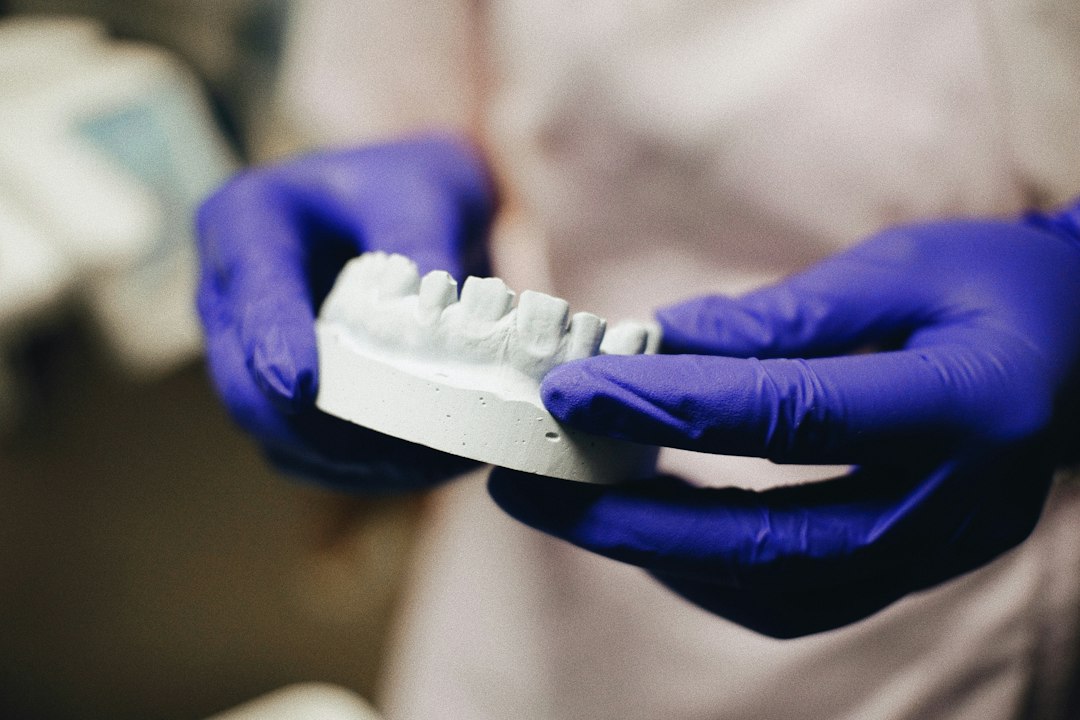
Before comparing numbers, ask for an estimate that separates initial records, placement or delivery of the appliances, follow-up visits and retainers. Also ask which records your case will need —for example, photos, X-rays or scans— and whether any will be repeated during treatment.
The retainer is part of the treatment too
When treatment ends, a retainer keeps your teeth from drifting back; it can be removable or fixed, as your orthodontist recommends (AAO, n.d.-a). A Cochrane review concluded that, with low- to very-low-certainty evidence, no retention approach can be recommended over another (Martin et al., 2023). That is why it helps to ask from the start which retainer will be used, whether it is included in your estimate and how often it should be checked.

Questions to bring to your evaluation
- Which orthodontic specialist will manage my case?
- What does the estimate include: records, placement, follow-up visits and retainers?
- How many in-person visits do you expect, and how often?
- What should I do if a bracket comes loose or I lose an aligner while I am in the U.S.?
- Does my dental insurance cover orthodontics? At The Special Teeth we accept Aetna and MetLife PPO; coverage is confirmed after your evaluation.
Not sure whether braces or Invisalign fits you? Book your evaluation at The Special Teeth, about 10 minutes from the San Ysidro border, and ask for a written plan with an estimated number of visits. Orthodontics in Tijuana · Book your evaluation.
References
American Association of Orthodontists. (n.d.-a). Braces 101: Straightening teeth and improving bites. Retrieved October 16, 2026, from https://aaoinfo.org/treatments/braces/
American Association of Orthodontists. (n.d.-b). Straighten your smile discreetly with clear aligners. Retrieved October 16, 2026, from https://aaoinfo.org/treatments/aligners/
Leber, C. (2025, August 5). How often are orthodontist appointments? Find treatment that fits your busy schedule. American Association of Orthodontists. https://aaoinfo.org/whats-trending/what-if-im-too-busy-for-orthodontic-visits/
Martin, C., Littlewood, S. J., Millett, D. T., Doubleday, B., Bearn, D., Worthington, H. V., & Limones, A. (2023). Retention procedures for stabilising tooth position after treatment with orthodontic braces. Cochrane Database of Systematic Reviews, 2023(5), Article CD002283. https://doi.org/10.1002/14651858.CD002283.pub5
Papageorgiou, S. N., Koletsi, D., Iliadi, A., Peltomaki, T., & Eliades, T. (2020). Treatment outcome with orthodontic aligners and fixed appliances: A systematic review with meta-analyses. European Journal of Orthodontics, 42(3), 331–343. https://doi.org/10.1093/ejo/cjz094
The Special Teeth. (n.d.). Orthodontics and Invisalign in Tijuana. Retrieved October 16, 2026, from https://thespecialteeth.com/en/orthodontics-in-tijuana/
Keep reading
- How Much Does a Dentist Cost in Tijuana? Reference Prices and Why Your Evaluation Sets the Total
- Dental Treatment in Tijuana: How to Plan Visits, Transportation and Follow-Up
- Before You Accept Dental Treatment: Questions About Costs, Alternatives and Follow-Up
Main image: Ozkan Guner / Unsplash. Photos are illustrative stock images: they do not show patients, cases or results from The Special Teeth. Diagrams are simplified illustrations prepared for this article from the cited sources.
Educational information. A professional evaluation determines the diagnosis and the appropriate options for each patient.