 English


Dental Cleaning or Whitening? How to Know What You Need
What a cleaning changes, what whitening changes, how restorations affect the result and what to ask at your dental assessment in Tijuana.
A cleaning removes deposits and can reduce some surface stains; whitening aims to lighten the color of natural teeth. They are not interchangeable. Before choosing, it helps to identify where the discoloration is and to check the health of your teeth and gums (American Dental Association [ADA], 2022; National Health Service [NHS], 2025).
A hypothetical situation, like many that come up: after months of morning coffee, someone looks in the bathroom mirror, notices their teeth look duller and messages the clinic: “Should I get a cleaning or whitening?” It is a fair question. The answer depends less on the name of the procedure and more on a prior question: is the color on the tooth or inside it?
First: where is the color?
The ADA distinguishes two types of discoloration. Extrinsic stains build up on the enamel surface and are linked, among other factors, to tobacco and to pigmented foods and drinks. Intrinsic stains sit within the tooth structure. Many extrinsic stains can be reduced with a professional cleaning; the cause and location of the discoloration shape which option makes sense and what result is realistic (ADA, 2022).

Two different places for the same “dull tooth”
Extrinsic stain: on the enamel
Pigments attached to the surface. A professional cleaning can reduce many of them.
Intrinsic stain: inside the tooth
The color comes from the tooth structure. Cleaning is not designed to change it; an assessment shows whether whitening is an option.
What a professional cleaning does
A dental cleaning is about health: it removes plaque and tartar and gives the clinician a chance to check teeth and gums. Tartar can only be removed with a professional cleaning (National Institute of Dental and Craniofacial Research [NIDCR], 2026). As a side benefit it can reduce extrinsic stains, but it is not designed to change the tooth’s own color (ADA, 2022).
What whitening does
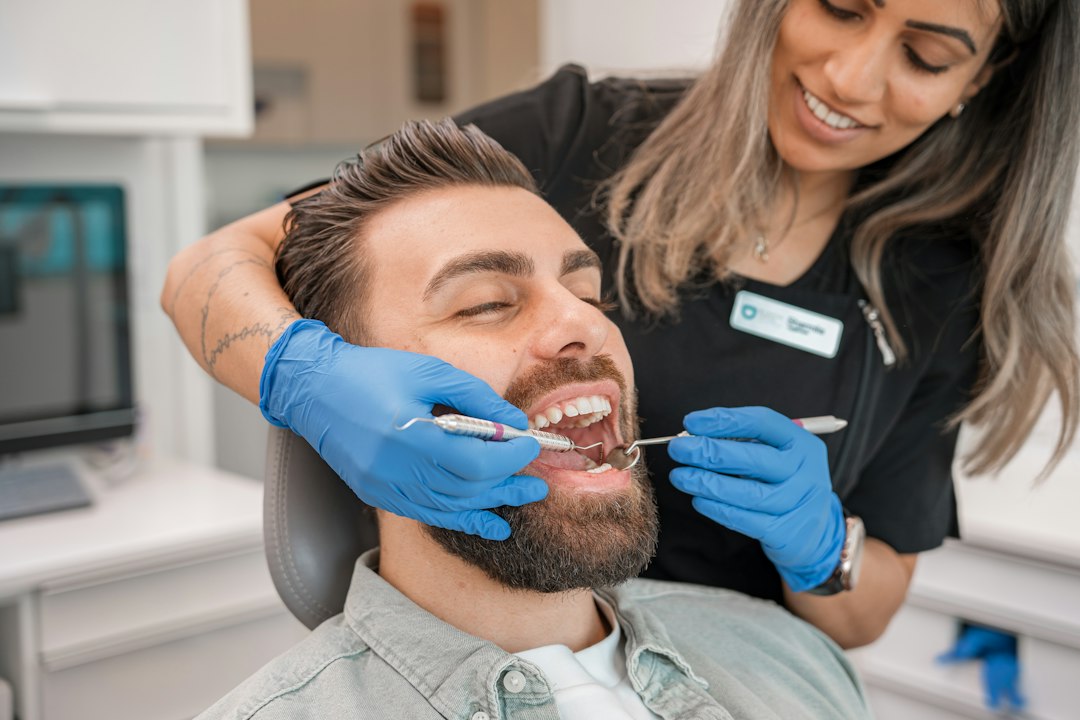
Whitening uses agents that lighten the color of natural teeth. The NHS says the safest option is treatment at the dental office or a kit provided by a dental professional; it warns that products from beauty salons or bought online may not work as well and can harm teeth and gums. It also notes the effect is not permanent: following professional advice, it may last around three years (NHS, 2025).
Before starting, the clinician should check that your teeth and gums are healthy; whitening is not done on unhealthy teeth or gums. The NHS also does not recommend it during pregnancy or breastfeeding (NHS, 2025).
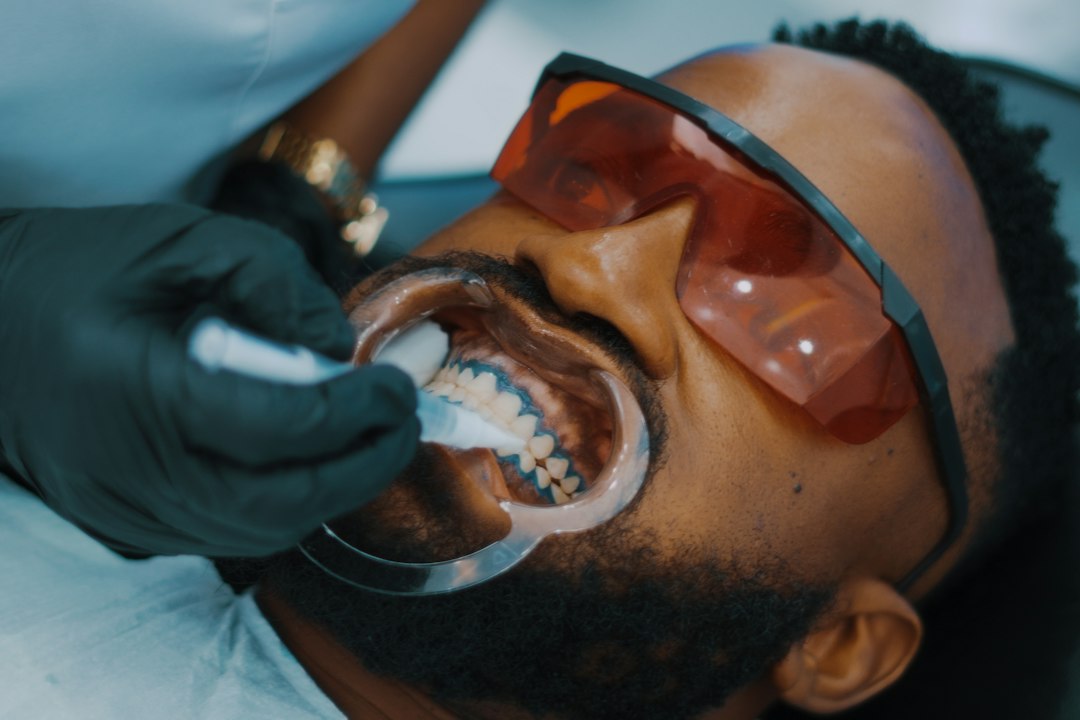
Effects worth knowing. According to the ADA, the most common adverse effects are temporary tooth sensitivity and gum irritation. Mild to moderate sensitivity can occur in up to two in three users early in treatment and usually resolves on its own; irritation is usually linked to poorly fitting trays or to how the gel is applied (ADA, 2022). The NHS adds sore gums or throat and temporary white patches on the gums (NHS, 2025).
| Question | Professional cleaning | Whitening |
|---|---|---|
| What is the goal? | Remove plaque and tartar; may reduce extrinsic stains. | Lighten the color of natural teeth. |
| Does it change the tooth’s own color? | It is not designed to. | Yes, in healthy natural teeth and depending on the cause of the color. |
| What about crowns, veneers or fillings? | They are identified during the exam. | They do not lighten like natural teeth. |
| What effects are monitored? | Those your clinician indicates for your case. | Temporary sensitivity and gum irritation. |
Table sources: ADA (2022); NHS (2025); NIDCR (2026).
Crowns, veneers and fillings: the detail that changes the plan
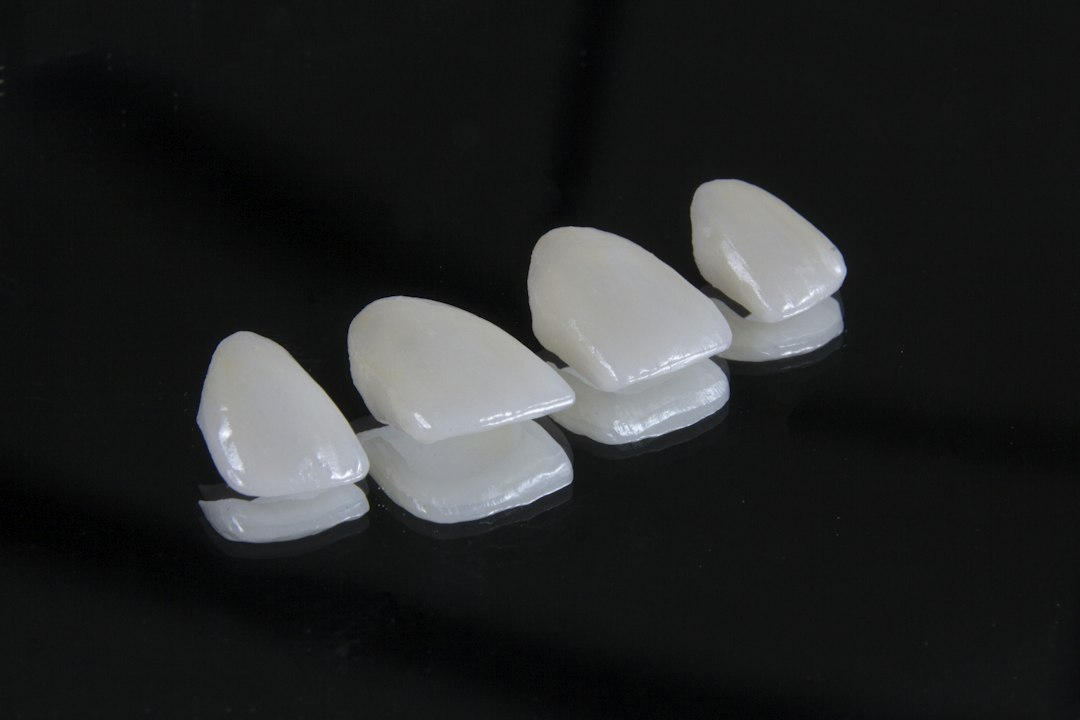
Only natural teeth lighten; tooth-colored restorations do not change with the whitening agent. If you have visible crowns, veneers or composite fillings, they may end up a different shade from neighboring teeth after whitening, which is why the ADA recommends identifying them during the exam (ADA, 2022). The NHS notes that whitening only lightens natural teeth and lists crowns, dentures and implants among the cases where it is not recommended (NHS, 2025).
How to prepare for your visit
You do not need to arrive with a treatment already chosen. Bring a concrete description: what you would like to change, when you first noticed it and whether it affects your whole smile or a single tooth. If the change affects a single tooth, mention it: your clinician should assess it separately. A reference photo helps you talk about expectations; it is not a promise of results.
- Is what I see a stain on the enamel or the color of the tooth itself?
- Could my fillings, crowns or veneers end up a different shade?
- Are my gums healthy enough to start, or does something need attention first?
- If sensitivity appears, what should I do and when should I contact you?
- How long might the change last, and what care helps maintain it?
Frequently asked questions
Will a cleaning make my teeth white?
It can reduce surface stains and make your smile look cleaner, but it does not change the tooth’s own color (ADA, 2022).
Can I whiten without a check-up first?
It is not recommended. The check-up confirms that teeth and gums are healthy and identifies restorations that will not change color (ADA, 2022; NHS, 2025).
Can whitening toothpaste replace treatment?
No. They mainly act on surface stains through abrasives, although some contain low levels of peroxide. Choosing between toothpaste, cleaning or whitening depends on what is causing the color (ADA, 2022).
Plan your assessment in Tijuana
When you request an appointment, explain what you would like to change and mention any restorations. If the exam finds inflamed or bleeding gums, read what a deep cleaning means; if your question is about frequency, see how your cleaning schedule is decided. You can also prepare your questions with our guide to a first dental assessment and, if you are considering cosmetic restorations, our guide to dental veneers.
References
American Dental Association. (2022, August 16). Whitening. https://www.ada.org/resources/ada-library/oral-health-topics/whitening
National Health Service. (2025, August 19). Teeth whitening. https://www.nhs.uk/tests-and-treatments/teeth-whitening/
National Institute of Dental and Craniofacial Research. (2026, August). Periodontal (gum) disease. https://www.nidcr.nih.gov/health-info/gum-disease
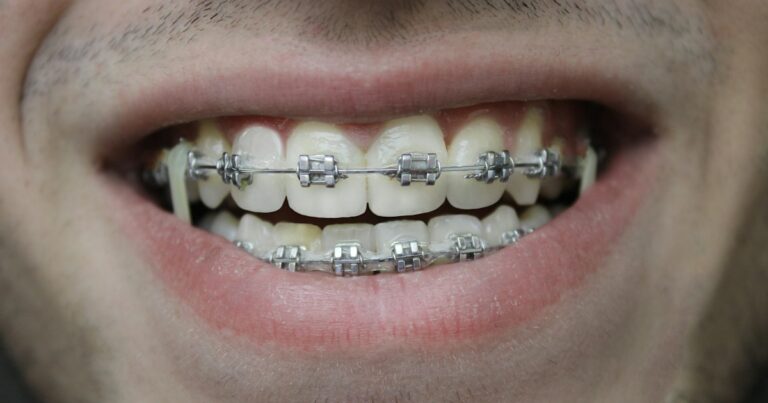
Main image: Noah Blaine Clark / Unsplash. Photos are illustrative stock images: they do not show patients, cases or results from The Special Teeth. Diagrams are simplified illustrations prepared for this article from the cited sources.
Educational information. A professional assessment determines the diagnosis and the appropriate options for each person.