 English

Deep Cleaning? Your Gum Diagnosis Defines the Treatment
What a deep cleaning means, what a periodontal assessment measures and why treatment includes re-evaluation and maintenance.
A so-called “deep cleaning” usually means scaling and root planing, a treatment for gum disease. Whether you need it depends on a periodontal assessment; it is not decided by how your teeth look. Examining the gums, measuring the pockets around the teeth and, when appropriate, taking X-rays help define the problem (National Institute of Dental and Craniofacial Research [NIDCR], 2026).
Picture this hypothetical scene: your check-up ends and you hear “you’re going to need a deep cleaning.” You nod, but on the way out questions remain: what did they find, why is this cleaning different, how many visits will it take? Asking is not distrust; it is how you understand your own diagnosis and compare proposals with useful information.
What “deep cleaning” means
The NIDCR describes scaling and root planing as a deep cleaning that is part of treating periodontal disease, whose main goal is to control the infection. It may be combined with medication such as a mouth rinse, and advanced cases may need surgery. In its early stages, gum disease can often be reversed with daily brushing and flossing (NIDCR, 2026).
That is why the word “deep” on its own does not describe a diagnosis or let you compare estimates. What matters is what was found, where, and what the treatment aims to achieve.
What is assessed in your gums
During the exam, the clinician uses a probe to measure the spaces between the gum and the tooth. In a healthy mouth they are usually 1 to 3 millimeters; deeper pockets can indicate periodontal disease. The assessment also includes checking the teeth, your medical history and X-rays to see whether there is bone loss. When needed, your dentist may refer you to a periodontist (NIDCR, 2026).
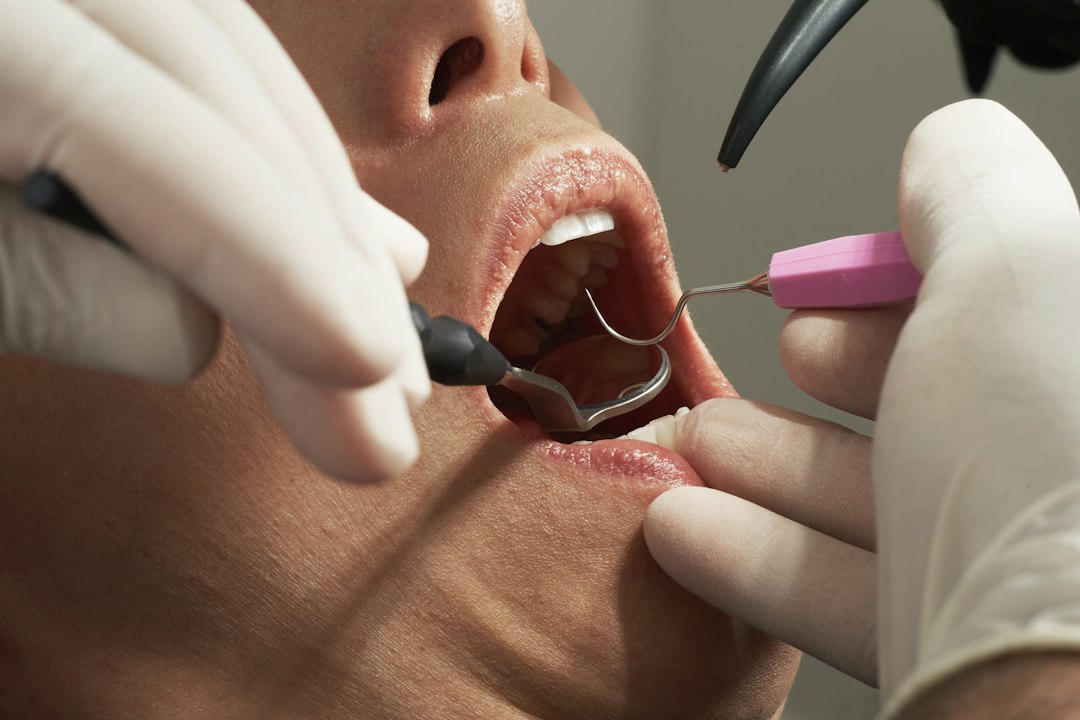
What the periodontal probe measures
Healthy sulcus: 1 to 3 mm
The probe goes only a short way between gum and tooth. This is typical of a healthy mouth.
Deeper pocket
The probe goes further. It can indicate periodontal disease and is interpreted together with bleeding, X-rays and medical history.
Some signs are worth an assessment even without pain: red, swollen or tender gums; gums that bleed easily; receding gums; persistent bad breath; loose or sensitive teeth; or pain when chewing. Smoking is the most significant risk factor; age, diabetes and genetics also play a role (NIDCR, 2026).
How common is it?
An analysis of the U.S. National Health and Nutrition Examination Survey (NHANES) estimated that about 42% of adults aged 30 or older with natural teeth had periodontitis, and 7.8% had severe periodontitis. Severe disease was more common among people aged 65 or older, smokers and some population groups, including Mexican Americans (Eke et al., 2018).
Periodontitis in U.S. adults (NHANES 2009–2014)
Any periodontitis≈ 42%
Severe periodontitis7.8%
The figure is not a personal prediction. It helps explain why a gum check is a routine part of the visit, even when someone only asked for “a cleaning.”
Treatment has steps and follow-up
The European Federation of Periodontology clinical guideline proposes a stepwise approach for stage I–III periodontitis that progresses according to the stage of disease and the response to treatment (Sanz et al., 2020).
Steps of periodontal treatment in the EFP guideline
- Control plaque, inflammation and risk factors
Guided home care, removal of plaque above the gumline and changes such as quitting smoking or managing diabetes. - Subgingival instrumentation
Cleaning the root surfaces below the gumline: what is usually called a “deep cleaning.” The response is then re-evaluated. - Sites that do not respond
They may need repeated instrumentation or periodontal surgery, depending on the findings. - Supportive periodontal care
Maintenance visits at a frequency that depends on each person’s risk.
This allows a more useful conversation than simply asking how many sessions a package includes. Ask what will happen at each visit, when the response will be re-evaluated and which findings could change the initial plan.
What you do at home counts too
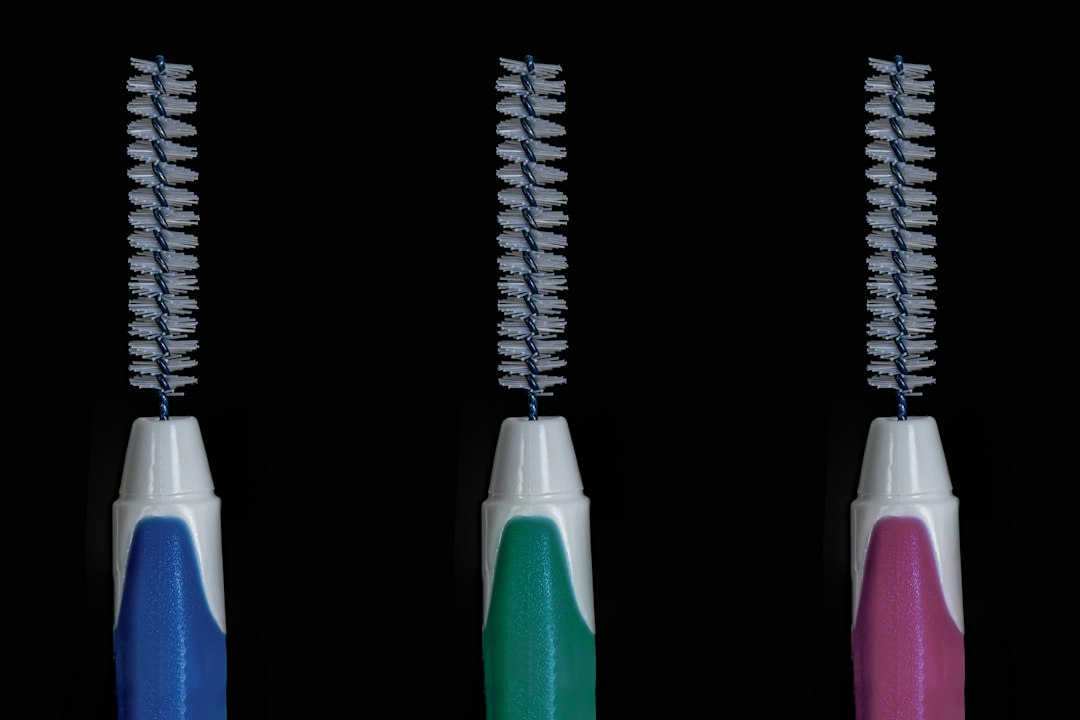
The NIDCR recommends brushing twice a day with fluoride toothpaste, flossing regularly and, when your dental professional recommends them, using interdental brushes, picks or water flossers. It also recommends routine check-ups and professional cleanings and quitting tobacco (NIDCR, 2026).
What to ask before you agree
- What is my diagnosis, and which findings support it?
- Which areas need treatment, and what is the goal?
- How and when will my response be checked?
- What should I do at home, and how will I know I am doing it right?
- Does the estimate separate initial treatment, re-evaluation and maintenance?
Frequently asked questions
If it doesn’t hurt, do I just need a regular cleaning?
Not necessarily. Pain does not replace a gum exam: bleeding, swelling or loose teeth are reasons to ask for an assessment (NIDCR, 2026).
Does a deep cleaning end treatment?
No. The EFP guideline includes re-evaluation and supportive periodontal care based on each person’s response and risk (Sanz et al., 2020).
Is it the same as the cleaning at each check-up?
No. A routine cleaning removes plaque and tartar above the gumline; scaling and root planing treats the root surfaces when there is periodontal disease (NIDCR, 2026; Sanz et al., 2020).
Before your next visit
Bring your questions and ask for a written summary of the plan. If you cross into Tijuana, also plan the re-evaluation and maintenance visits. Keep reading with bleeding gums, how your cleaning frequency is decided and how to plan your dental visits.
References
Eke, P. I., Thornton-Evans, G. O., Wei, L., Borgnakke, W. S., Dye, B. A., & Genco, R. J. (2018). Periodontitis in US adults: National Health and Nutrition Examination Survey 2009–2014. Journal of the American Dental Association, 149(7), 576–588.e6. https://doi.org/10.1016/j.adaj.2018.04.023
National Institute of Dental and Craniofacial Research. (2026, August). Periodontal (gum) disease. https://www.nidcr.nih.gov/health-info/gum-disease
Sanz, M., Herrera, D., Kebschull, M., Chapple, I., Jepsen, S., Berglundh, T., Sculean, A., Tonetti, M. S., & EFP Workshop Participants and Methodological Consultants. (2020). Treatment of stage I–III periodontitis—The EFP S3 level clinical practice guideline. Journal of Clinical Periodontology, 47(Suppl. 22), 4–60. https://doi.org/10.1111/jcpe.13290
Main image: Caroline LM / Unsplash. Photos are illustrative stock images: they do not show patients, cases or results from The Special Teeth. Diagrams are simplified illustrations prepared for this article from the cited sources.
Educational information. A professional assessment determines the diagnosis and the appropriate options for each person.