
 English

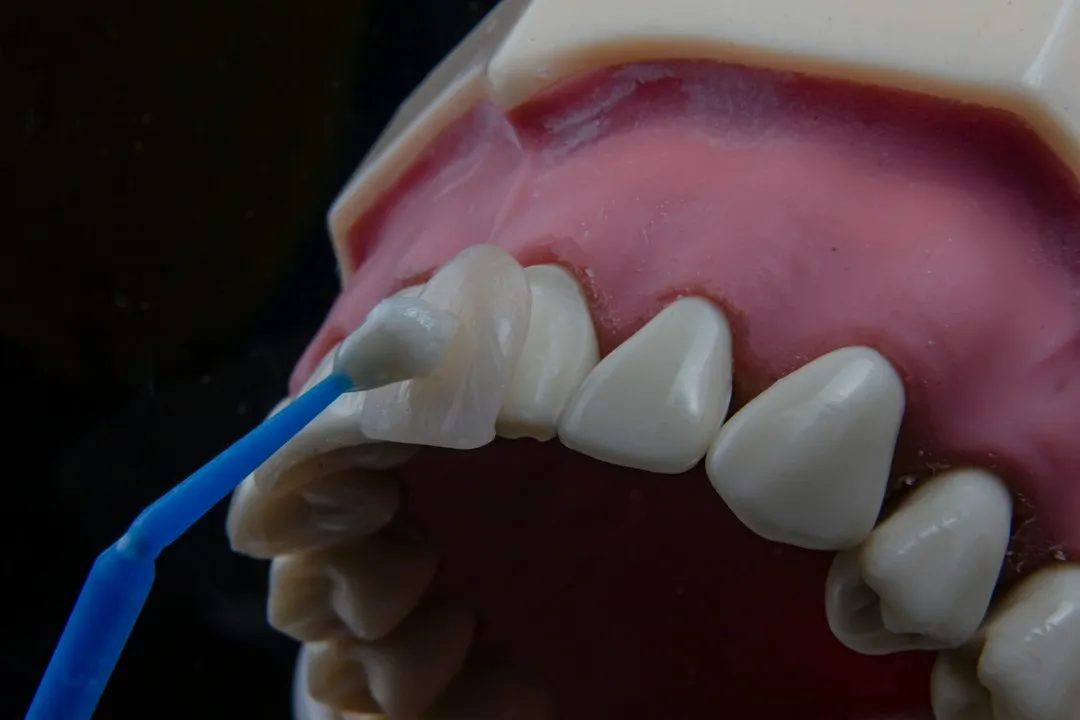
Periodontitis and Overall Health: What Your Gums May Say About the Rest of Your Body
Gum disease doesn't stay in the mouth. What is known about its links with diabetes, heart disease and other conditions, and what is association versus proven cause.
Periodontitis is a chronic inflammatory disease of the gums and the bone that supports the teeth. For years it was considered a purely oral problem, but it is now known to be linked with other diseases, especially diabetes and cardiovascular disease. Understanding that relationship, and its limits, helps frame gum care as part of overall health.
Picture this hypothetical scene: Carmen is 55 and has had type 2 diabetes for six years. She takes her medication, walks in the afternoons and still her glycated hemoglobin won’t quite come down. At her last appointment, her doctor asks an unexpected question: “Do your gums bleed?” Carmen laughs. She has seen blood when brushing for years and never thought it had anything to do with her blood sugar.
A more common disease than it seems
Severe periodontitis is among the most common health conditions in the world: it was estimated to affect around 11% of the global population (Kassebaum et al., 2014). In the United States, a national survey found that more than 40% of adults aged 30 or older had some degree of periodontitis (Eke et al., 2018). Many of these people do not know it, because the disease usually progresses without pain.
From the mouth to the rest of the body
In periodontitis, the community of bacteria living below the gumline loses its balance. Some species, such as Porphyromonas gingivalis, can disrupt the immune response and promote a self-sustaining inflammatory environment (Hajishengallis, 2015). Taken together, inflamed gums form a surface of ulcerated tissue through which bacteria and inflammatory substances can enter the bloodstream.
Researchers have described several possible mechanisms connecting gum inflammation with other organs: bacteria entering the bloodstream, the release of inflammatory mediators and changes in how the body’s immune system responds as a whole (Hajishengallis & Chavakis, 2021). These mechanisms help explain why periodontitis appears associated with several chronic diseases (Genco & Sanz, 2020).
Diabetes: a two-way street
The link with diabetes is the best documented. An international consensus of periodontal and diabetes specialists concluded that the relationship is bidirectional: diabetes, especially when poorly controlled, increases the risk and severity of periodontitis, and periodontitis is associated with poorer glucose control and more diabetes complications (Sanz et al., 2018).
The most interesting part is what happens when the gums are treated. A Cochrane review of clinical trials found that periodontal treatment in people with diabetes reduces glycated hemoglobin modestly but significantly, by around 0.4 percentage points at three to four months and about 0.3 points at six months, with moderate-certainty evidence (Simpson et al., 2022). It may seem small, but it is an improvement comparable to what some medication adjustments aim for, and it adds to medical treatment rather than replacing it.
Heart and blood vessels: association, not proven cause
Many studies have found that people with periodontitis have a higher risk of atherosclerotic cardiovascular disease, such as heart attacks or strokes. A joint consensus of European and American periodontal societies concluded that there is consistent epidemiological evidence for that association (Tonetti et al., 2013). A more recent consensus, with the participation of cardiology specialists, reaffirmed the relationship and proposed that physicians and dentists work together to detect both problems (Sanz et al., 2020).
However, this should be read carefully. The American Heart Association reviewed the evidence and concluded that the association exists and is not fully explained by shared factors such as smoking, but that there is not enough evidence to state that periodontitis causes cardiovascular disease or that treating it prevents heart attacks (Lockhart et al., 2012). What has been observed is that intensive periodontal treatment, after a brief inflammatory reaction in the first days, improved blood vessel function at six months in a clinical trial (Tonetti et al., 2007).
What about the brain?
In recent years, a study drew attention by finding enzymes from Porphyromonas gingivalis in the brain tissue of people with Alzheimer’s disease and, in animal models, observing effects that suggest this bacterium might play a role (Dominy et al., 2019). It is an interesting line of research, but still preliminary: it does not allow anyone to claim that gum disease causes Alzheimer’s. Headlines that present it as a fact deserve skepticism.
How to read this information without alarm
- Association is not causation. Two diseases appearing together does not mean one causes the other. They may share causes such as smoking, poor diet or chronic inflammation.
- Diabetes is the strongest link. Treating periodontitis can help improve glucose control (Simpson et al., 2022).
- Gum care does not replace other treatments. It is one more piece of overall health care.
- Periodontitis can be controlled. With professional treatment and good daily hygiene, inflammation decreases and the disease can stabilize.
Signs that call for a periodontal assessment
- Gums that bleed often.
- Persistent bad breath.
- Receding gums or teeth that look “longer.”
- Teeth that are loose or drifting apart.
- Having diabetes, smoking or a family history of early tooth loss.
Frequently asked questions
If I have diabetes, should I tell my dentist? Yes. It is important information for planning treatment and assessing periodontal risk. Likewise, your physician should know if you have periodontitis.
Does treating my gums lower my risk of a heart attack? That has not been proven so far. It is known to reduce local inflammation and improve oral health, and some studies show improvements in vascular markers.
Can periodontitis be cured? Bone damage is not fully recovered, but the disease can be controlled and kept stable for many years with treatment and follow-up.
The end of the story
In our hypothetical case, Carmen went for a periodontal assessment. She was diagnosed with moderate periodontitis and received deep-cleaning treatment, along with instructions to clean between her teeth every day. A few months later, her gums no longer bled and, at her next lab test, her glycated hemoglobin had dropped a little more than at previous checkups. It was not a miracle cure, but one more piece that fit into her care. Carmen’s story sums up the message: the mouth is not separate from the rest of the body.
If you want a professional to take a look
Learn more about gum care at The Special Teeth. If you are coming from the United States, our guide to planning your visit to Tijuana helps with the border crossing and transfers. Whenever you are ready, you can request an evaluation.
References
Dominy, S. S., Lynch, C., Ermini, F., Benedyk, M., Marczyk, A., Konradi, A., Nguyen, M., Haditsch, U., Raha, D., Griffin, C., Holsinger, L. J., Arastu-Kapur, S., Kaba, S., Lee, A., Ryder, M. I., Potempa, B., Mydel, P., Hellvard, A., Adamowicz, K., . . . Potempa, J. (2019). Porphyromonas gingivalis in Alzheimer’s disease brains: Evidence for disease causation and treatment with small-molecule inhibitors. Science Advances, 5(1), Article eaau3333. https://doi.org/10.1126/sciadv.aau3333
Eke, P. I., Thornton-Evans, G. O., Wei, L., Borgnakke, W. S., Dye, B. A., & Genco, R. J. (2018). Periodontitis in US adults: National Health and Nutrition Examination Survey 2009–2014. The Journal of the American Dental Association, 149(7), 576–588.e6. https://doi.org/10.1016/j.adaj.2018.04.023
Genco, R. J., & Sanz, M. (2020). Clinical and public health implications of periodontal and systemic diseases: An overview. Periodontology 2000, 83(1), 7–13. https://doi.org/10.1111/prd.12344
Hajishengallis, G. (2015). Periodontitis: From microbial immune subversion to systemic inflammation. Nature Reviews Immunology, 15(1), 30–44. https://doi.org/10.1038/nri3785
Hajishengallis, G., & Chavakis, T. (2021). Local and systemic mechanisms linking periodontal disease and inflammatory comorbidities. Nature Reviews Immunology, 21(7), 426–440. https://doi.org/10.1038/s41577-020-00488-6
Kassebaum, N. J., Bernabé, E., Dahiya, M., Bhandari, B., Murray, C. J. L., & Marcenes, W. (2014). Global burden of severe periodontitis in 1990–2010: A systematic review and meta-regression. Journal of Dental Research, 93(11), 1045–1053. https://doi.org/10.1177/0022034514552491
Lockhart, P. B., Bolger, A. F., Papapanou, P. N., Osinbowale, O., Trevisan, M., Levison, M. E., Taubert, K. A., Newburger, J. W., Gornik, H. L., Gewitz, M. H., Wilson, W. R., Smith, S. C., & Baddour, L. M. (2012). Periodontal disease and atherosclerotic vascular disease: Does the evidence support an independent association? A scientific statement from the American Heart Association. Circulation, 125(20), 2520–2544. https://doi.org/10.1161/cir.0b013e31825719f3
Sanz, M., Ceriello, A., Buysschaert, M., Chapple, I., Demmer, R. T., Graziani, F., Herrera, D., Jepsen, S., Lione, L., Madianos, P., Mathur, M., Montanya, E., Shapira, L., Tonetti, M., & Vegh, D. (2018). Scientific evidence on the links between periodontal diseases and diabetes: Consensus report and guidelines of the joint workshop on periodontal diseases and diabetes by the International Diabetes Federation and the European Federation of Periodontology. Journal of Clinical Periodontology, 45(2), 138–149. https://doi.org/10.1111/jcpe.12808
Sanz, M., Marco del Castillo, A., Jepsen, S., Gonzalez-Juanatey, J. R., D’Aiuto, F., Bouchard, P., Chapple, I., Dietrich, T., Gotsman, I., Graziani, F., Herrera, D., Loos, B., Madianos, P., Michel, J.-B., Perel, P., Pieske, B., Shapira, L., Shechter, M., Tonetti, M., . . . Wimmer, G. (2020). Periodontitis and cardiovascular diseases: Consensus report. Journal of Clinical Periodontology, 47(3), 268–288. https://doi.org/10.1111/jcpe.13189
Simpson, T. C., Clarkson, J. E., Worthington, H. V., MacDonald, L., Weldon, J. C., Needleman, I., Iheozor-Ejiofor, Z., Wild, S. H., Qureshi, A., Walker, A., Patel, V. A., Boyers, D., & Twigg, J. (2022). Treatment of periodontitis for glycaemic control in people with diabetes mellitus. Cochrane Database of Systematic Reviews, 2022(4), Article CD004714. https://doi.org/10.1002/14651858.cd004714.pub4
Tonetti, M. S., D’Aiuto, F., Nibali, L., Donald, A., Storry, C., Parkar, M., Suvan, J., Hingorani, A. D., Vallance, P., & Deanfield, J. (2007). Treatment of periodontitis and endothelial function. New England Journal of Medicine, 356(9), 911–920. https://doi.org/10.1056/nejmoa063186
Tonetti, M. S., Van Dyke, T. E., & Working Group 1 of the Joint EFP/AAP Workshop. (2013). Periodontitis and atherosclerotic cardiovascular disease: Consensus report of the Joint EFP/AAP Workshop on Periodontitis and Systemic Diseases. Journal of Clinical Periodontology, 40(S14), S24–S29. https://doi.org/10.1111/jcpe.12089
Main image: Ozkan Guner / Unsplash. Photos are illustrative stock images: they do not show patients, cases or results from The Special Teeth.
Educational information. A professional assessment determines the diagnosis and the appropriate options for each person.