 English

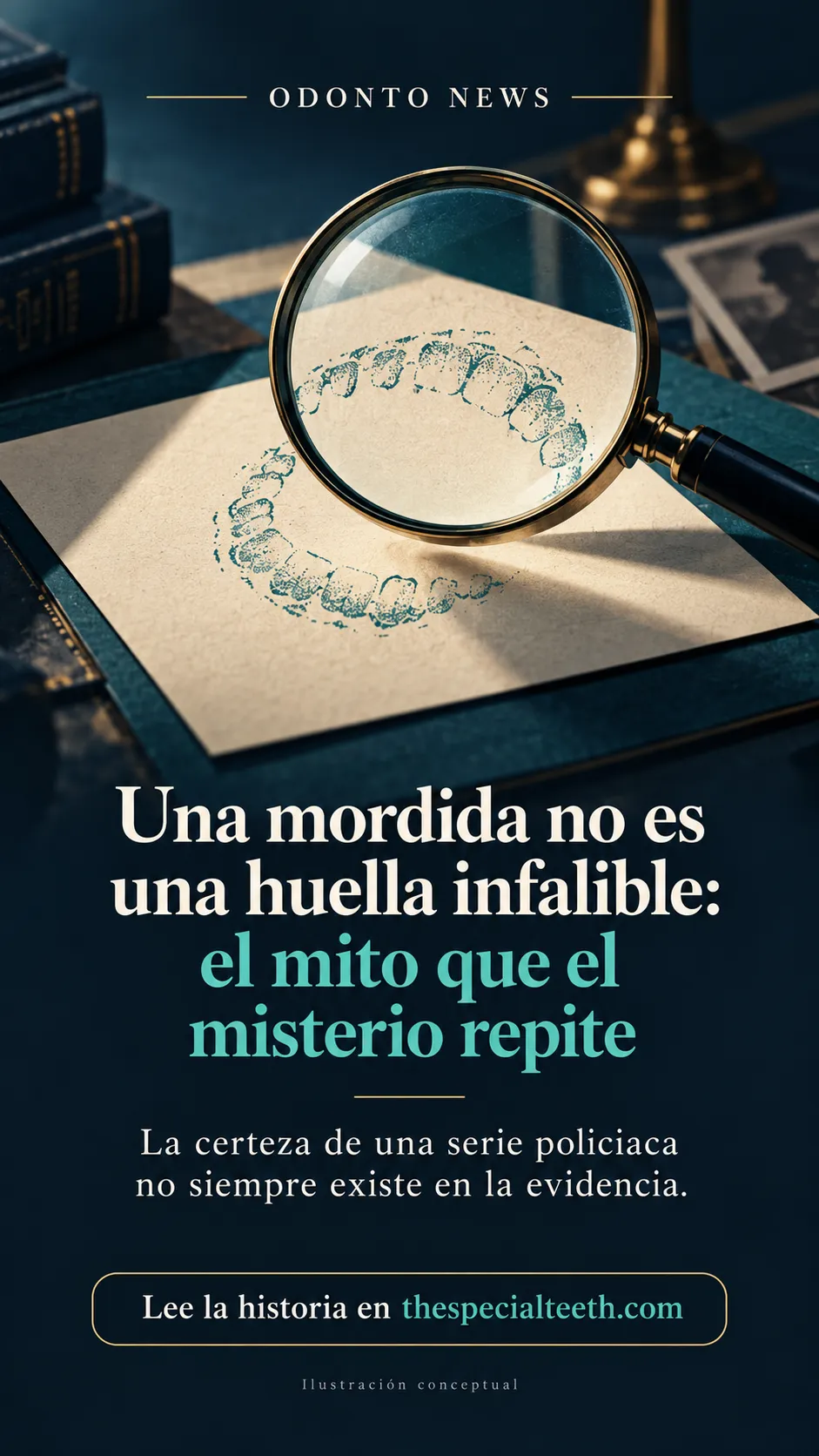
Bite marks: the "infallible" evidence that science debunked
Ted Bundy's trial made bite marks famous as evidence. Two decades later DNA freed Ray Krone, and in 2023 NIST concluded the technique lacks a scientific foundation.
In the summer of 1979, in a Miami courtroom, a dentist stood before the jury with a display board. It held an enlarged photograph of a bite on a victim’s skin. Over it he placed a transparent sheet with the shape of the defendant’s teeth and said they matched.
The defendant was Ted Bundy. He was found guilty, and that televised trial gave bite marks a reputation as infallible evidence. Over the next two decades, that reputation sent innocent people to prison.

A bite like a fingerprint
On 15 January 1978, two Florida State University students were murdered in their sorority house. One of them, Lisa Levy, had a double bite mark. At trial, forensic odontologist Richard Souviron testified, with what he called a reasonable degree of certainty, that Bundy’s teeth matched the mark.
The idea behind it was simple and appealing: every set of teeth would be unique, like a fingerprint, and skin would preserve that shape in enough detail to compare it. If both things were true, a bite could point to a person.
Even at that trial there was a warning. The defence got Souviron to acknowledge that bite mark analysis was part art and part science, and that his conclusion was an opinion. There was other evidence against Bundy as well, but the case gave the technique prestige.
The twist: the “Snaggletooth killer”
On 29 December 1991, a 36-year-old woman was found dead in the restroom of a Phoenix, Arizona, bar where she worked. She had bites on her breast and neck. The local press called it the “Snaggletooth killer” case.
Police took an impression of the teeth of Ray Krone, a customer at the bar, in a Styrofoam block. Prosecution experts testified that it matched the bites. In 1992 Krone was sentenced to death. He won a new trial on appeal, and in 1996 he was convicted again, once more mainly on the bite mark evidence. The judge gave him a life sentence because he had doubts that Krone was the real killer.
In 2002, DNA testing of saliva and blood found on the victim excluded Krone. The profile matched Kenneth Phillips, who had lived near the bar, was already in prison for another sex crime and had never been considered a suspect. Krone was freed on 8 April 2002 after more than ten years in prison, part of them on death row.
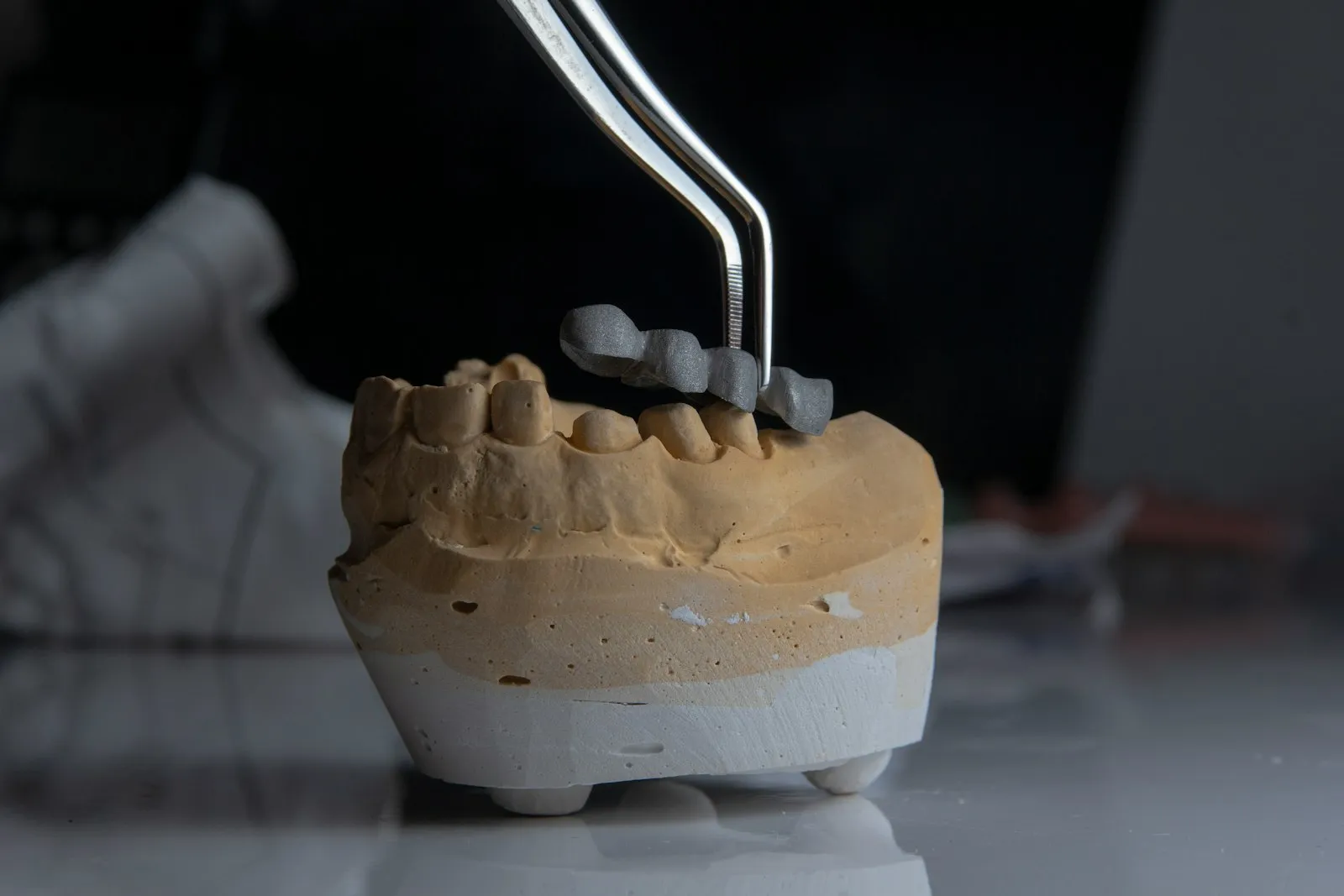
He was not the only one
In 2007 the Innocence Project gathered eight cases in which DNA showed that bite mark analysis had contributed to wrongful arrests or convictions, among them those of Willie Jackson in Louisiana, Calvin Washington in Texas and Dan Young in Illinois. In 2009 a report by the US National Academy of Sciences concluded that the technique lacked sufficient scientific validity.
NIST’s verdict
In March 2023 the US National Institute of Standards and Technology (NIST) published a review of the scientific foundation of bite mark analysis. Its conclusion was blunt: the three key premises of the discipline are not supported by the data.
- Uniqueness: it has not been shown that the pattern of the front teeth is unique to each person.
- Transfer: skin is elastic, moves and distorts, so it does not record a bite faithfully.
- Analysis: it has not been shown that examiners can compare such marks accurately enough to exclude or not exclude someone.
The review added another problem: experts themselves do not always agree on whether an injury is a bite, which features it has or whom it can rule out.
What is known and what is still debated
Documented:
- Bite mark testimony was part of Bundy’s 1979 trial.
- Ray Krone was convicted twice on bite mark evidence and exonerated by DNA in 2002.
- In 2023 NIST concluded that bite mark analysis lacks a sufficient scientific foundation.
Still debated:
- Whether this evidence should be admitted in court. Some forensic odontologists argue it can help rule out suspects or collect DNA from saliva, though not identify someone.
- How many other convictions may have relied on the technique: many older cases have no preserved evidence for DNA testing.
Identifying is not the same as comparing bites
That bites on skin are unreliable does not mean teeth are useless in forensic investigation. Comparing the teeth of a body with the X-rays and dental records of a missing person is a different matter: it compares hard tissues that are preserved with records made during life. It is one of the most widely used identification methods in disasters. We tell that story in Teeth also tell who we were.
That is why your dental record, with X-rays and notes on every treatment, has value beyond the dental chair.
Sources
- NIST (2023). Bitemark Analysis: A NIST Scientific Foundation Review. NISTIR 8352
- Crime Scene Investigator Network — Summary of the NIST review
- Innocence Project — Ray Krone
- Innocence Project (2007) — Cases where DNA revealed that bite mark analysis led to wrongful arrests and convictions
- Oxygen — How Ted Bundy got convicted: is bite mark evidence credible?