 English

That crunch was not part of the costume: what to do when a tooth breaks
Hard candy, ice, and an unexpected chip. How to protect a broken tooth, save the fragment, and recognize when urgent care is needed.
The costume looks great. The music is good, and the last candy seems harmless. You bite down and hear a crunch that sounds a little too convincing. Your tongue finds a strange corner where a molar used to feel smooth. Halloween’s scary story has just changed its script.
Take a breath. A broken tooth does not automatically mean losing it. But biting again to check «how bad it is» will not answer the question. What you do next matters more than finding the culprit in the candy bag. This story begins with a crunch; its best ending begins with a calm decision.
That candy did not create a cavity in three seconds
There are two different stories inside the same sweet. One is chemical and unfolds over time: bacteria use sugars and starches to produce acids, and a cavity can develop when enamel loses more minerals than it regains. The NIDCR explains this process. The other story is mechanical: biting something very hard can fracture a tooth in an instant.
The American Dental Association includes hard candy, ice, and unpopped popcorn kernels among the things you should avoid chewing. Being sold as a treat does not make an object safe to crush with your molars. A large restoration or an existing problem can also change the picture: that final bite may be when you discover it.

Not every crunch tells the same story
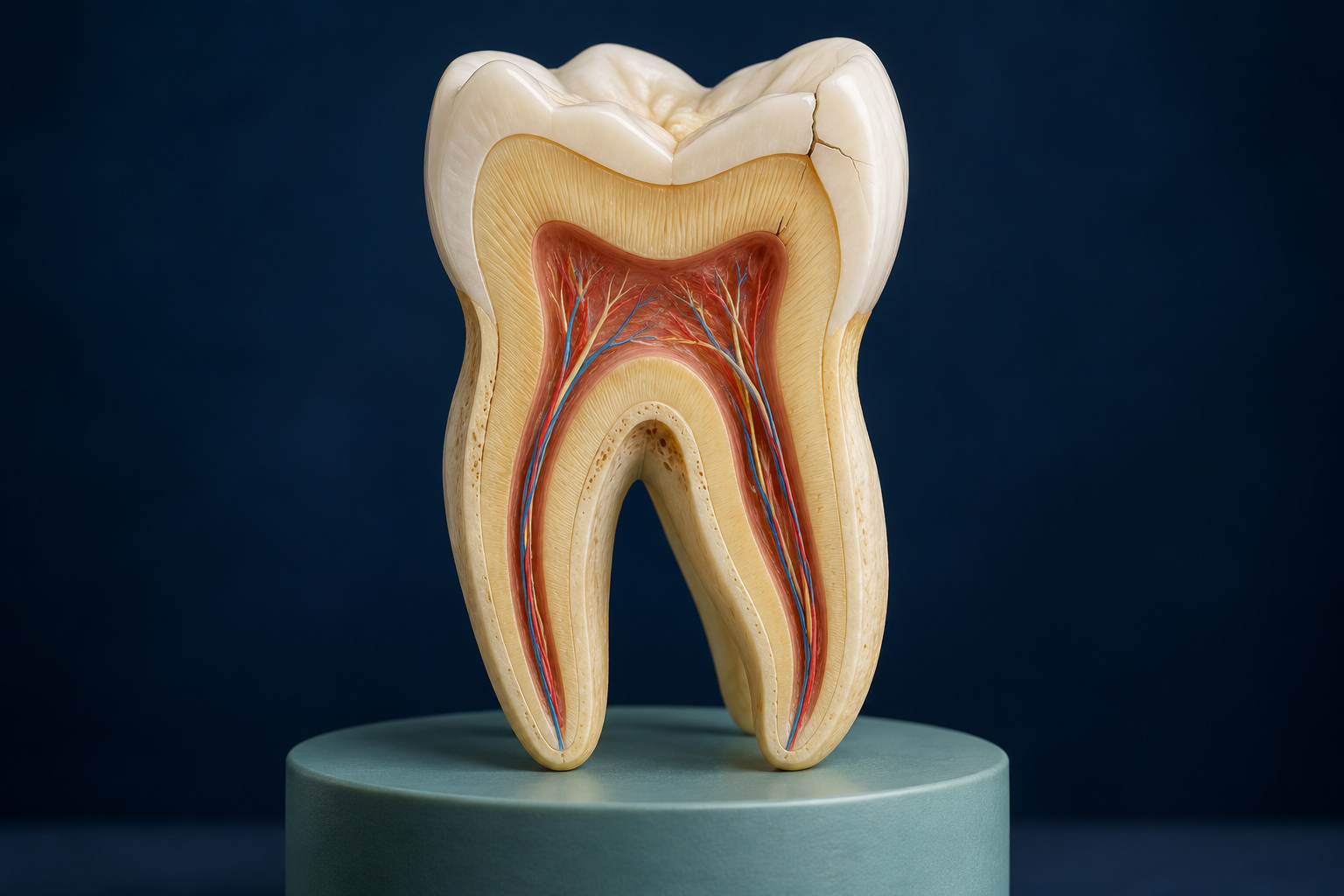
A small corner may chip off, a larger part may break, or a crack may develop without leaving a fragment you can see. A photo and the amount of pain cannot tell you which happened. Inside the tooth is pulp, tissue containing nerves and blood vessels; how close the damage comes to it affects symptoms and treatment. The American Association of Endodontists (AAE) explains this anatomy.
That is why two people can describe the same accident and need different solutions. The useful question is not «Does it look bad?» but «What was damaged, and how can we protect it?» A dental examination answers that question. Another test bite does not.
The twist: it may hurt, then stop hurting
A crack can cause discomfort when chewing, releasing biting pressure, or encountering temperature changes. Sometimes pain comes and goes. According to the AAE, that pattern does not rule out a problem. A tooth crack also does not knit itself back together the way a broken bone can.
This is the misleading part of the story: silence feels like a happy ending, but it may only be a pause. Contact a dentist even if the initial scare has passed. Explaining what you bit, when it happened, and which sensations followed helps the practice arrange appropriate care.
Saving the fragment can help; searching should not delay care
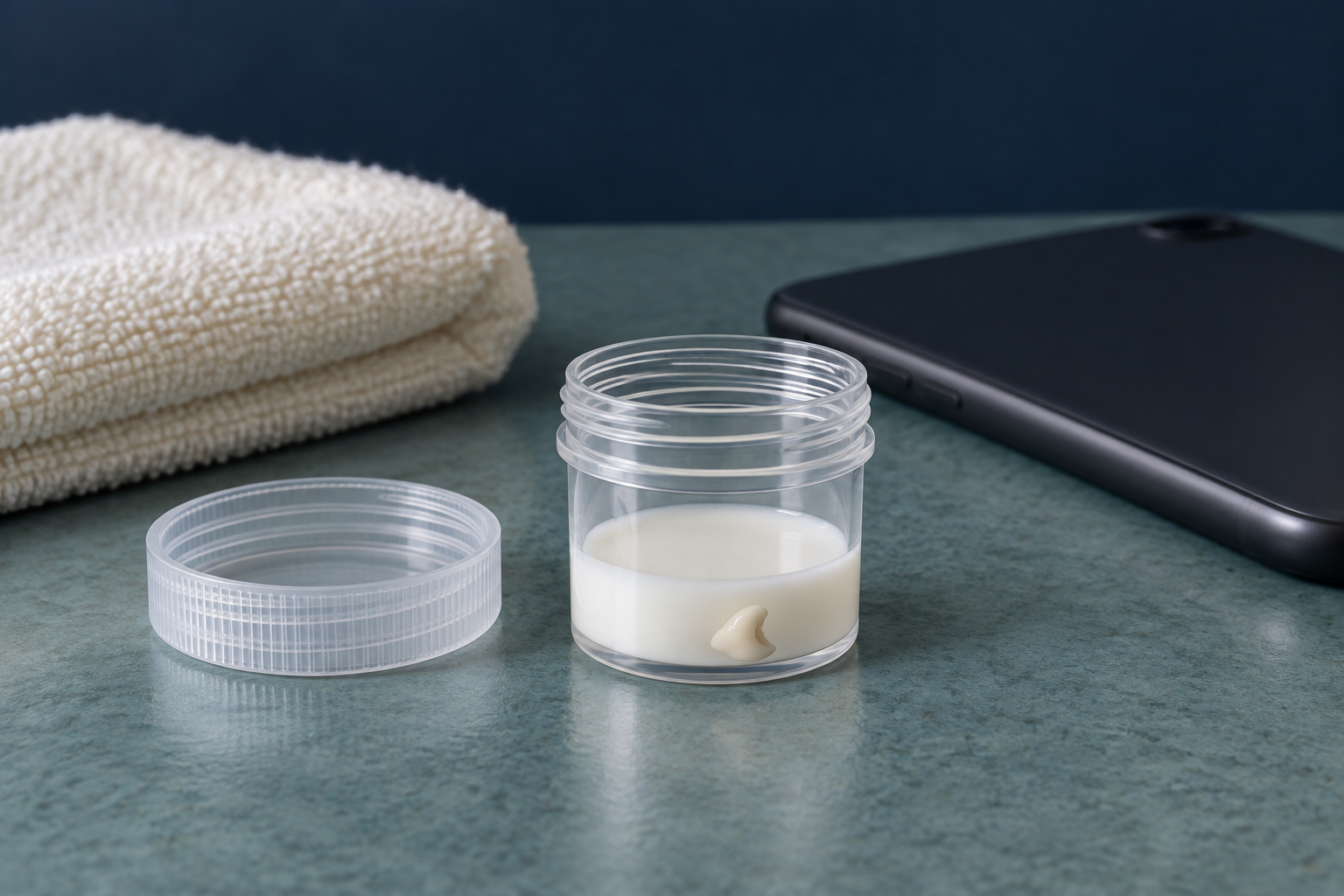
If you find the broken piece, put it in a container with milk or your own saliva, collected by spitting into the container, and bring it to the appointment. That is the NHS recommendation; sometimes a dentist can reattach it. This does not mean reattachment is always possible or that milk repairs the tooth. It preserves the piece while you receive care.
If the fragment is missing, other options remain. Avoid an endless search under the table while pain increases. Do not carry loose pieces inside your mouth: a container keeps you from having to hold a small fragment while talking or traveling.
The next scene happens before the appointment
The ADA advises gently rinsing with warm water and placing a cold compress outside the face if there is swelling. Stop chewing on that tooth. While arranging care, the NHS recommends soft foods and avoiding temperatures that trigger discomfort. Never place aspirin directly on the tooth or gums.
If you need a pain reliever, ask a pharmacist for advice that takes your age, pregnancy, medical conditions, and other medicines into account. Easing pain does not close a fracture. Do not experiment with household glue, files, or tools to «smooth out» the corner either: repair belongs in the dental office.
A small, painless chip generally allows you to arrange a dental assessment; it does not, by itself, require a hospital visit. Severe uncontrolled pain, fever, or facial or jaw swelling needs urgent attention. Trouble breathing or swallowing, or swelling around the eye or neck, calls for immediate medical emergency care, as the NHS explains.

If the whole tooth came out, the plan changes
A broken fragment and a permanent tooth knocked out completely, with its root, are different situations. The second is an avulsion and needs immediate dental care. Handle the tooth by its crown without touching the root, and keep it moist in milk if it is not back in place; seek urgent instructions from the dentist. The NHS warns that a knocked-out baby tooth should never be replanted.
The ending does not have to be an extraction
Depending on the damage, options may include reattaching the fragment, a tooth-colored restoration, a crown, or root canal treatment when the pulp is affected. The AAE describes these possibilities. None is selected automatically because of one crunch: an examination helps establish which option makes sense for that tooth.
The encouraging ending is that you have room to act. Enjoy the party thoughtfully, leave ice in the glass, and avoid crushing hard candy. When enjoying sweets, the ADA suggests portions with meals and less continuous snacking. Small decisions can fit inside a big celebration.

If that unexpected crunch was not part of your costume, remember the sequence: stop, protect the tooth, save the fragment if you find it, and arrange care. At Odonto News, dental culture turns an everyday scare into something you understand better. Keep exploring our stories, and if you need an assessment, schedule a visit with The Special Teeth in Tijuana.
Sources for further reading
- American Dental Association (ADA). Dental Emergencies
- American Association of Endodontists (AAE). Cracked Teeth
- National Health Service (NHS). Chipped, broken or cracked tooth
- AAE. Traumatic Dental Injuries
- NHS. Toothache
- NHS. Knocked-out tooth
- National Institute of Dental and Craniofacial Research (NIDCR). Tooth Decay
- ADA. Halloween Survival Guide
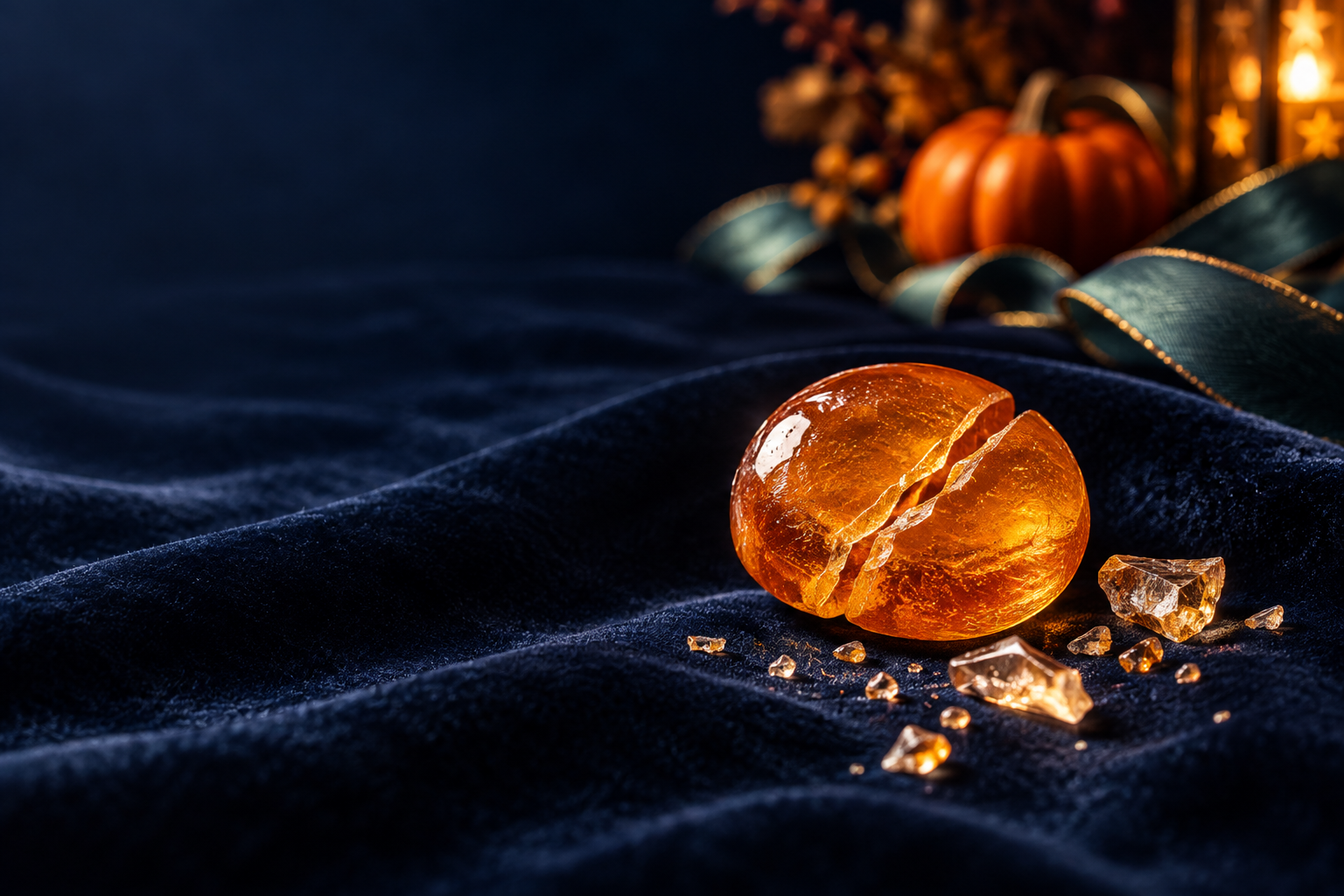
These AI-generated images are conceptual illustrations, not photographs of actual patients or original historical documents.