 English

Washington’s teeth: the wooden myth hid a different story
Washington took office with one natural tooth. His letters and dentures tell a more human—and more complicated—story than the wooden-teeth myth.
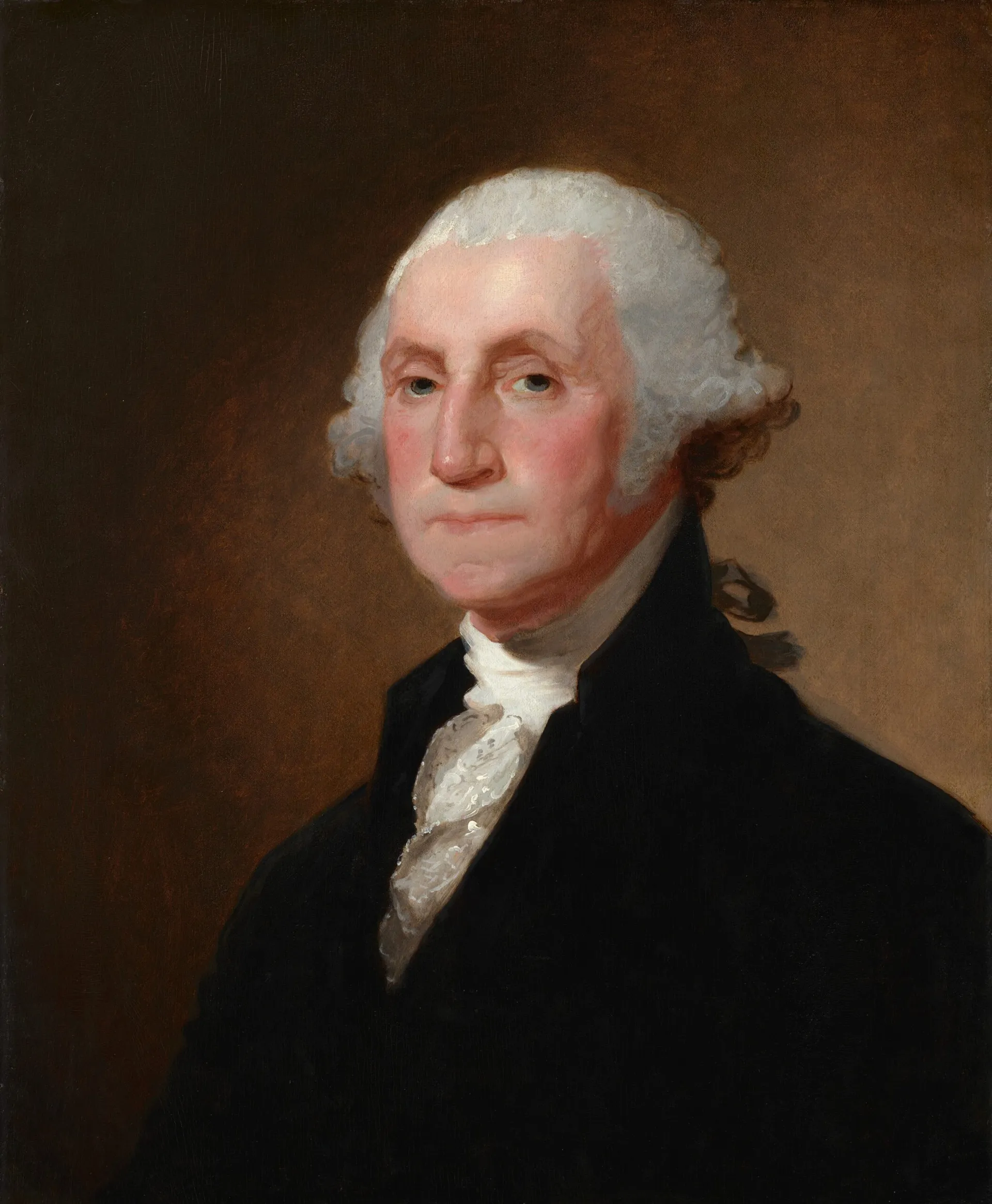
A white wig, a solemn gaze, and a mouth that rarely smiles. You recognize George Washington before reading his name. Now imagine a less presidential conversation behind that portrait: “Doctor, these dentures are bothering me again.” His dental history has the makings of a spooky story. It also has a twist: the detail almost everyone remembers is a myth.
Wood was the wrong part of the story
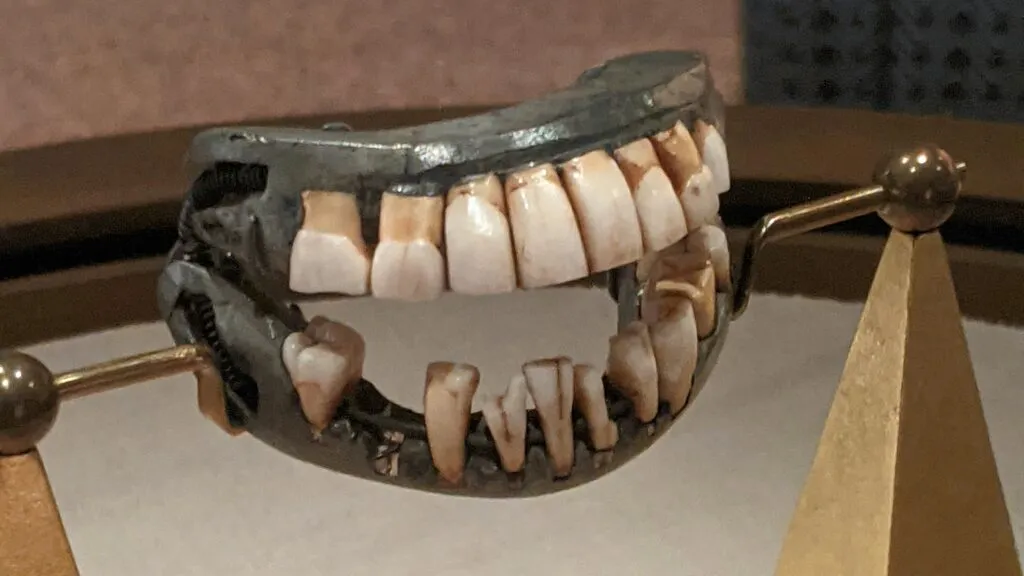
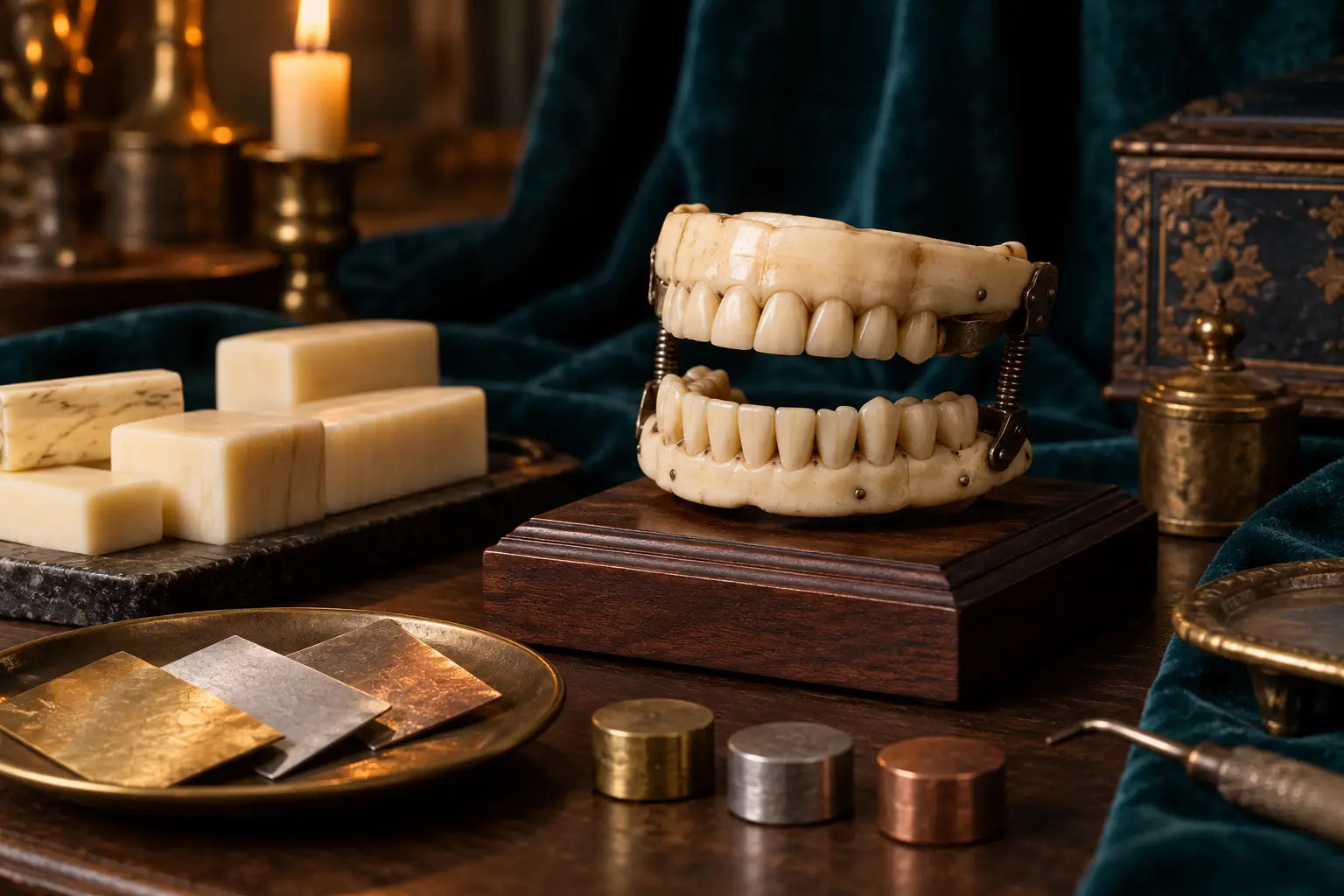
Washington’s teeth were not carved wooden teeth. His four surviving dentures combine different materials: ivory, human and animal teeth, and metals. Here is a surprising nuance: some include tiny wooden pegs. That does not make their teeth “wooden teeth.” Mount Vernon also explains that only two surviving dentures contain human teeth, and their owners’ identities are unknown. The museum’s collection helps separate the familiar story from the objects that actually survived.
One natural tooth to take office
Mount Vernon’s chronology places Washington’s first tooth extraction in April 1756. He was 24. He continued losing teeth despite buying toothbrushes and cleaning products. When he became president in 1789, he had only one natural tooth remaining. That year, he received a complete denture from dentist John Greenwood. The documentary timeline describes a problem spanning decades, rather than a sudden mishap late in life.
That detail changes how we picture him. Oral health is easy to reduce to an attractive smile. But imagine keeping appointments, welcoming guests, or sitting down to dinner while every movement of your mouth becomes a negotiation. In this story, dentures were not a fashion accessory. They were an effort to reclaim ordinary life. That makes the patient behind the famous face feel surprisingly familiar.
The letters the portrait cannot tell
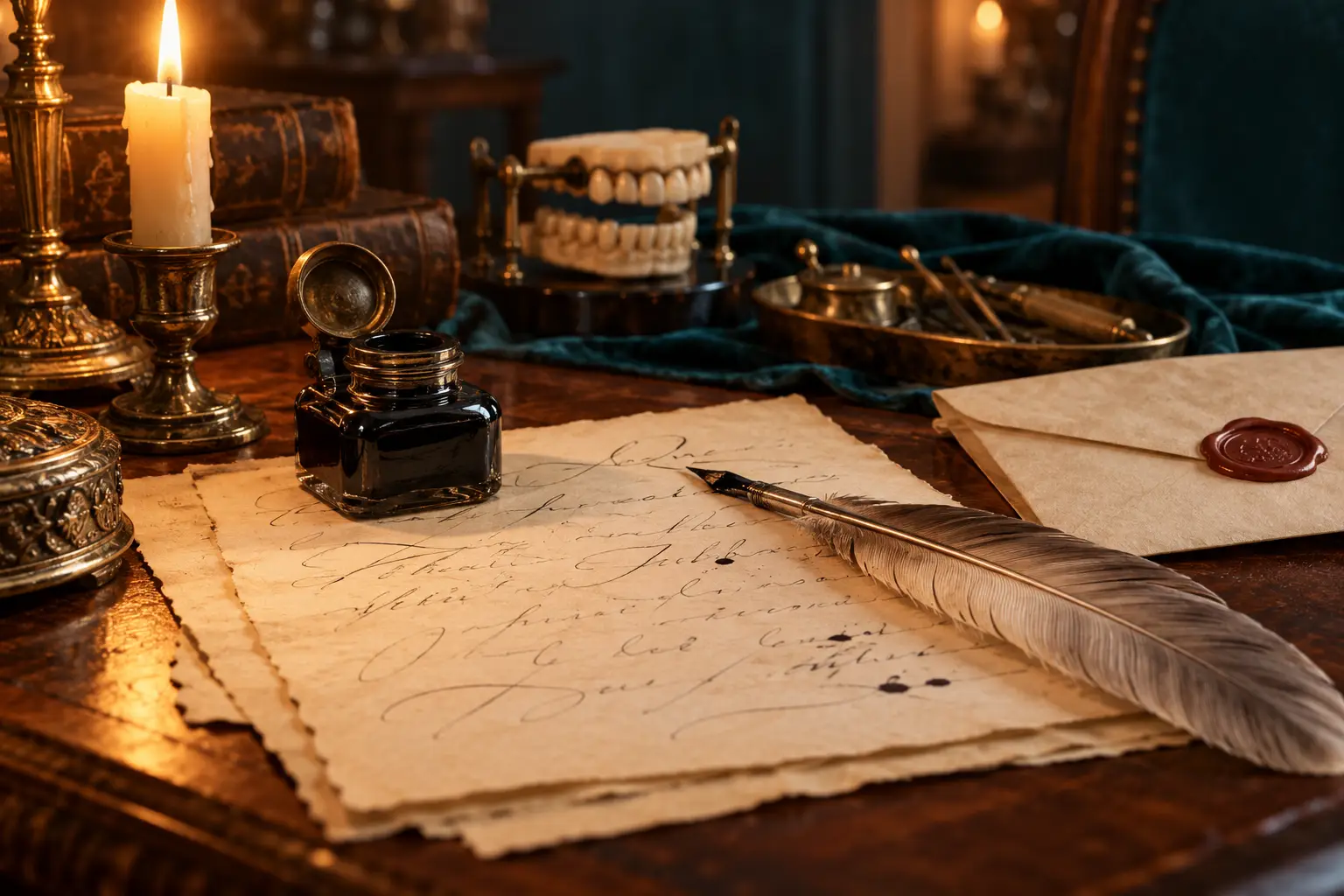
On January 25, 1797, Washington wrote to Greenwood that his denture’s bars were too wide and protruded, making his lips look swollen. He explained that filing the structure down had weakened it. In a December 7, 1798 letter, he reported that a recent set worked better, while asking for another set to be corrected because it rubbed and made his mouth sore. Library of Congress transcriptions document adjustments, relief, and renewed discomfort in the patient’s own account.
A difficult chapter that deserves care
A May 1784 account records payment for nine teeth from enslaved people at Mount Vernon, on behalf of dentist Jean Pierre Le Mayeur. Their names were not recorded. We do not know whether direct pressure was applied; slavery carried coercion and the threat of punishment. The records do not establish that those teeth entered Washington’s dentures. Mount Vernon explains the evidence and its limits. Respecting those limits helps keep real people from becoming a macabre plot device.
Curiosity becomes more valuable when it asks two questions: what do we know, and what can we still not claim? A display case can preserve an object. It cannot always restore every life and experience behind it. A compelling story should leave room for that uncertainty instead of filling the gaps with a more dramatic ending.
An old story, a choice we can make today
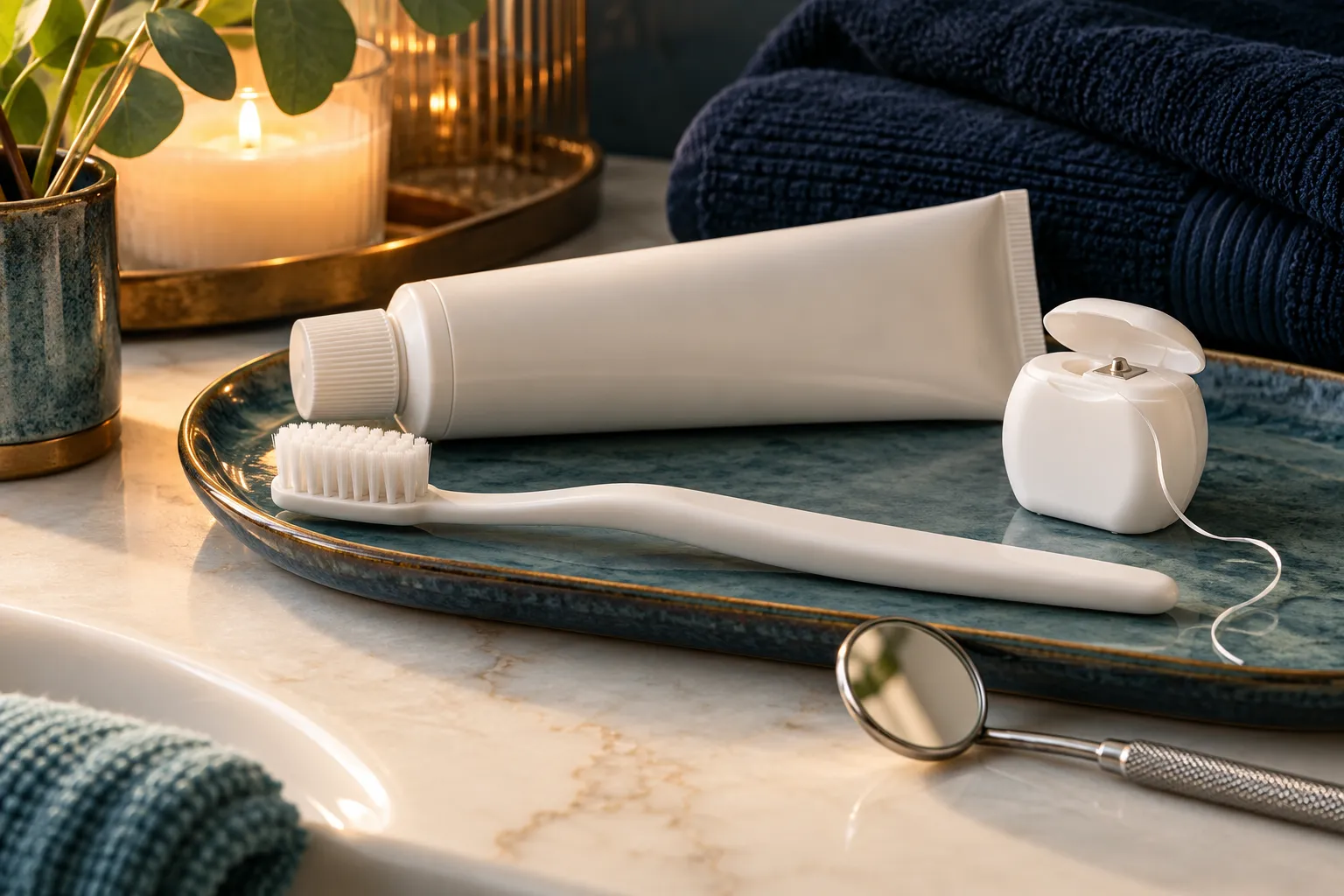
The encouraging part is that our everyday care has tools Washington never had. NIDCR recommends brushing twice daily with fluoride toothpaste and cleaning between teeth; these practices help people retain their teeth throughout life. Its oral-hygiene guide connects a healthy mouth with speaking, eating, and expressing emotion. No routine guarantees an individual outcome, but prevention deserves attention before pain takes over the conversation.
Next time you see his portrait, you may remember something more useful than the wooden-teeth myth: behind a historical figure was a patient searching for comfort. Caring for your own smile can begin with a well-asked question.
Odonto News, from The Special Teeth in Tijuana, connects science, history, and dental culture. Keep exploring our stories. If discomfort or a denture that no longer fits makes you think about your own mouth, schedule an evaluation to learn about your options.
Sources you can explore
- Mount Vernon — Washington’s Dentures FAQ
- Mount Vernon — A History of Washington’s Dental Troubles
- Library of Congress — Washington to John Greenwood, January 25, 1797; December 7, 1798
- Mount Vernon — Washington and Teeth from Enslaved People
- National Institute of Dental and Craniofacial Research — Oral Hygiene
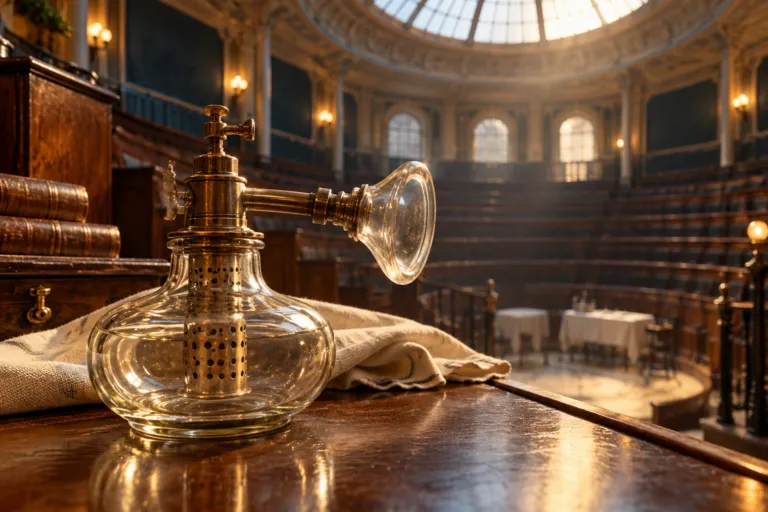
The cover is a historical portrait, and the first photograph shows Washington’s actual dentures; credits and licenses appear beside the image. The remaining images are AI-generated conceptual illustrations and do not reproduce original historical documents or artifacts.