 English

The Tooth Worm: A Monster Blamed for Centuries
Before people understood cavities, an imaginary worm explained toothache. A Halloween story about myths, science and an encouraging ending.
The most unsettling creature in this story never lived inside your tooth.
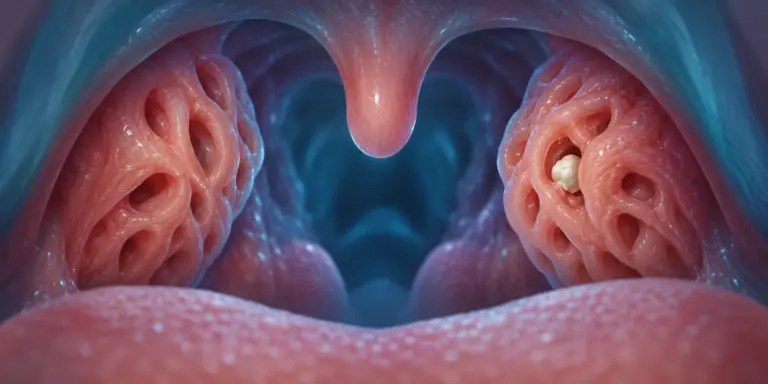
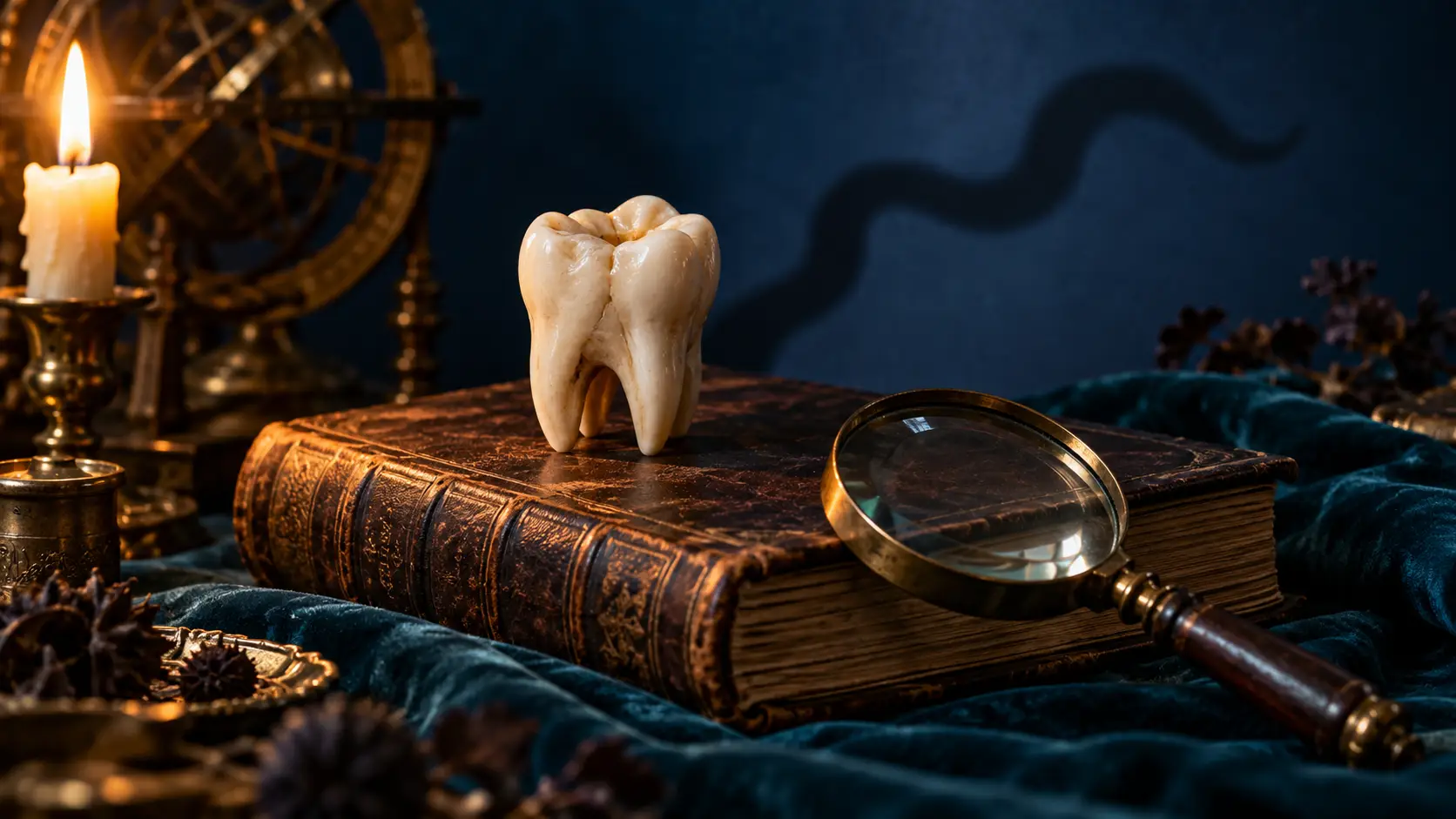
It is a perfect evening for Halloween stories. Someone asks what frightened people before movie monsters, and a tiny candidate appears: a worm believed to live in teeth and eat them from within.
Imagine a throbbing tooth in the dark, a visible hole and no way to observe the process. Giving the enemy a body seemed to explain the pain. The disturbing part is how long the idea survived.
A monster with many faces
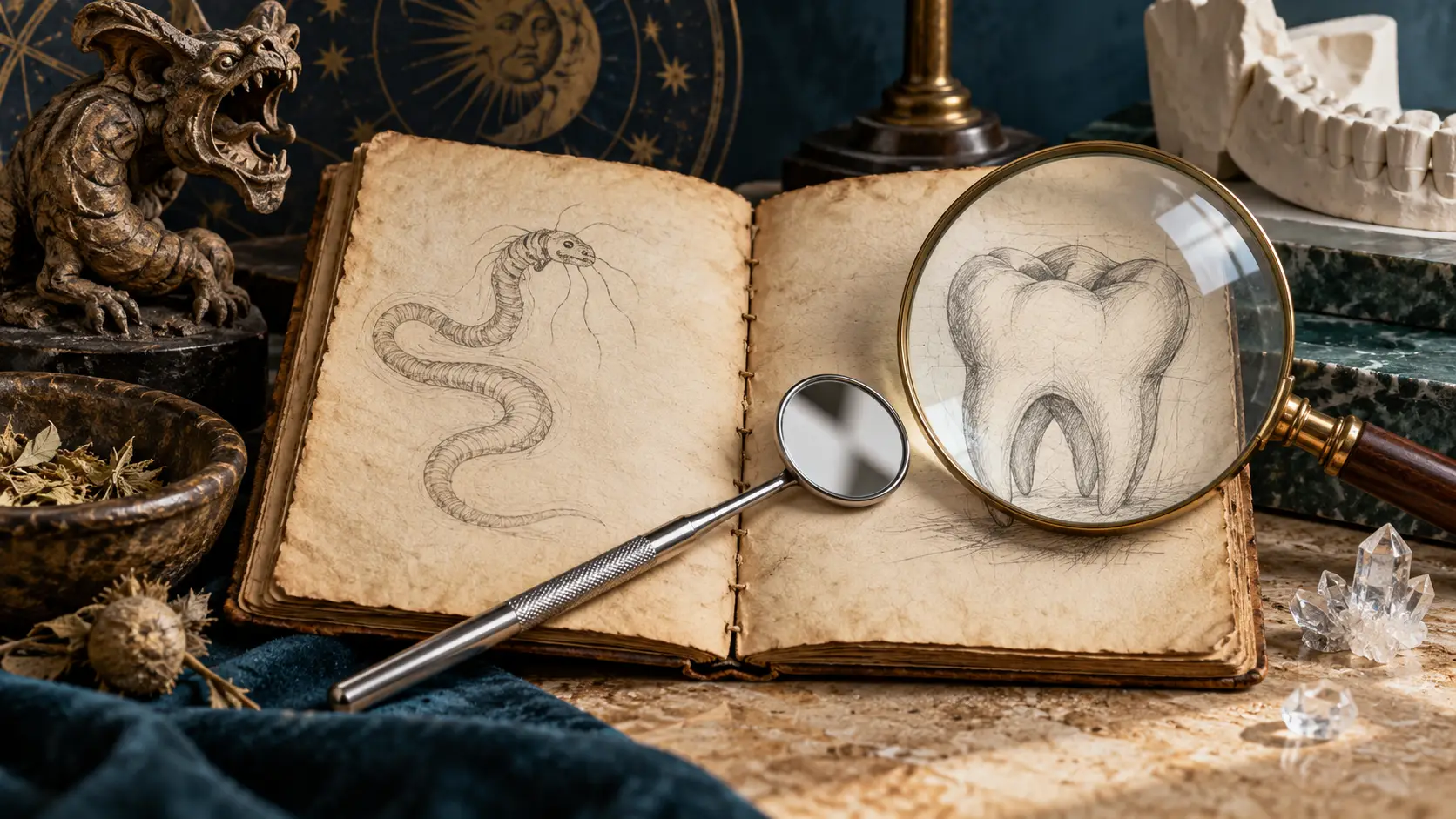
In a historical article published in 1999, W. E. Gerabek documented the “tooth worm” belief across cultures. In England it was sometimes imagined as eel-like; in northern Germany it was described in different colors. Physicians dismissed it as superstition during the Enlightenment, yet the belief persisted into the twentieth century. Clinical Oral Investigations.
The creature changed appearance but kept its role: providing a visible explanation for real suffering.
Then someone said: “Here it is”
A 1998 article by T. L. Hsu and M. E. Ring in Journal of the History of Dentistry describes historical fumigation intended to expel the worm. It also recounts a deceptive procedure of this kind in China, filmed by a dentist who witnessed it. PubMed record and abstract.
That is the twist: something that looks like proof does not necessarily explain a disease. A dramatic removal of the supposed culprit could be more convincing than a process difficult to see.
These practices belong to history. They are not treatments to imitate.
The real explanation is interesting, too
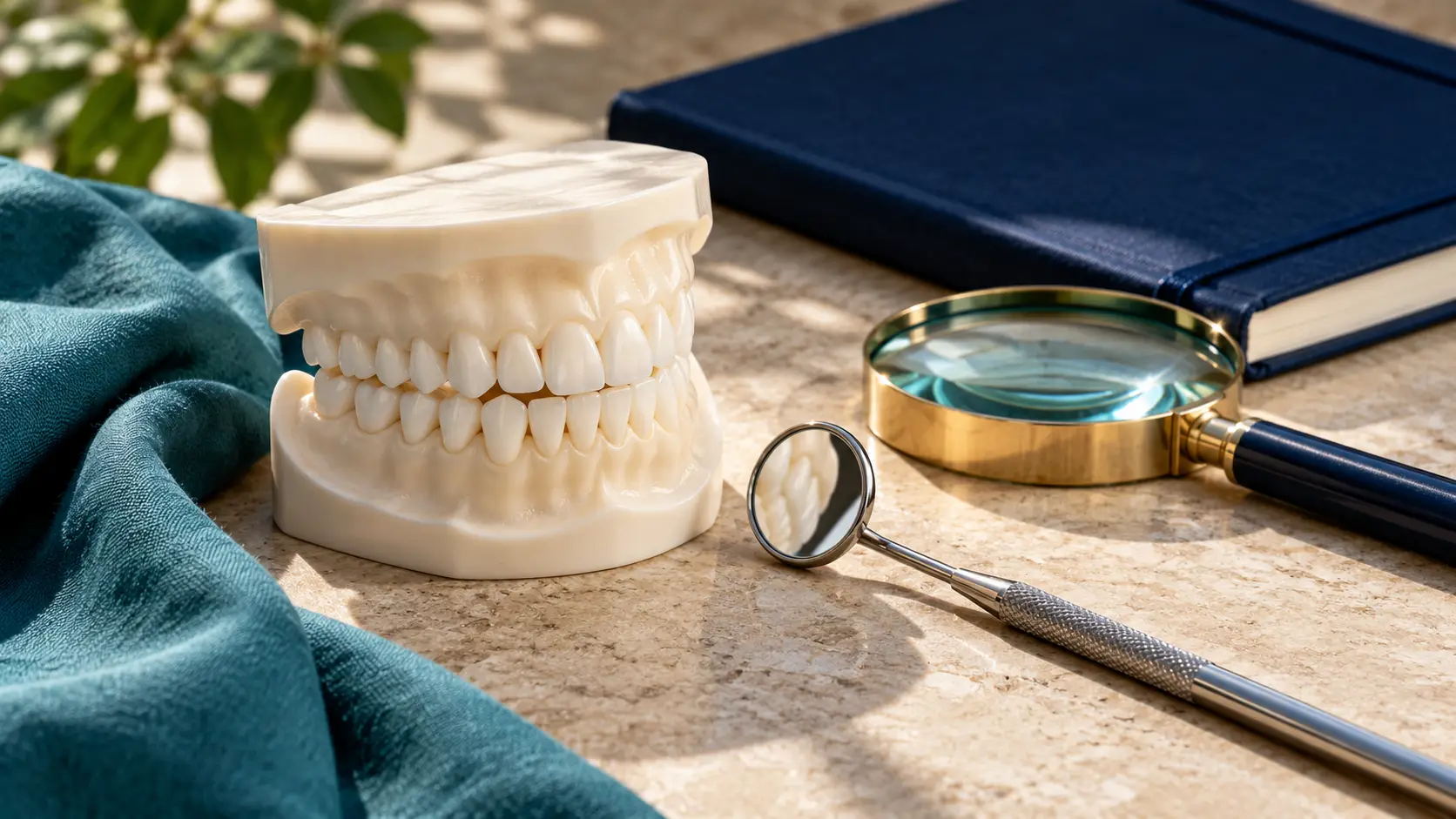
Tooth decay involves plaque and acids produced when certain bacteria use sugars. Those acids promote mineral loss from enamel. No hidden animal is needed to explain the damage. NIDCR.
There is an encouraging ending: early decay can be stopped or reversed before a cavity forms. That does not mean an existing hole closes on its own; it needs dental assessment and treatment.
Leave the fear in the story
The ending offers something the old myth could not: an understanding of how to protect enamel. In its explanation of fluoride, NIDCR describes its role in replacing minerals and stopping early decay. That does not mean an established cavity closes on its own.
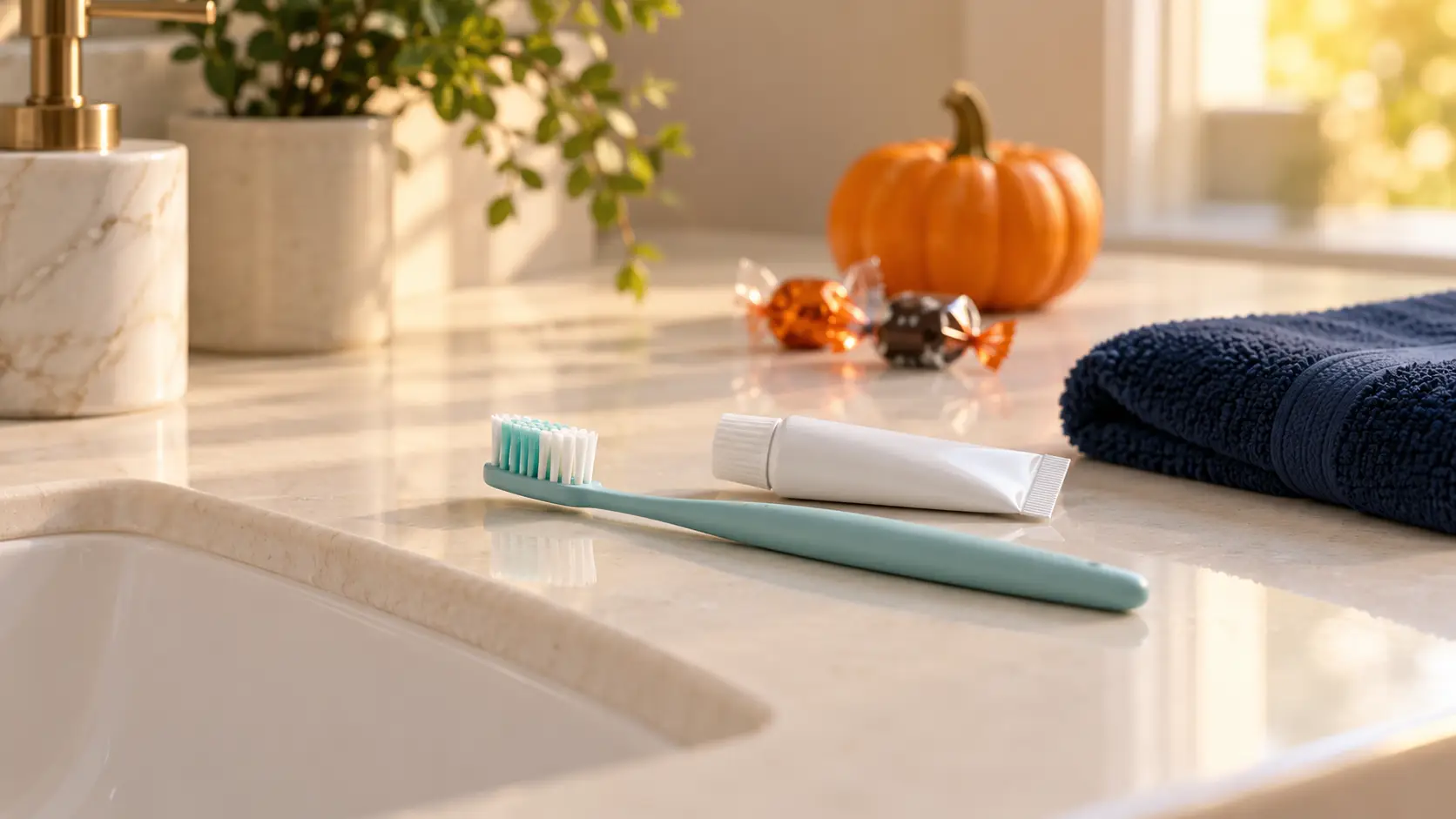
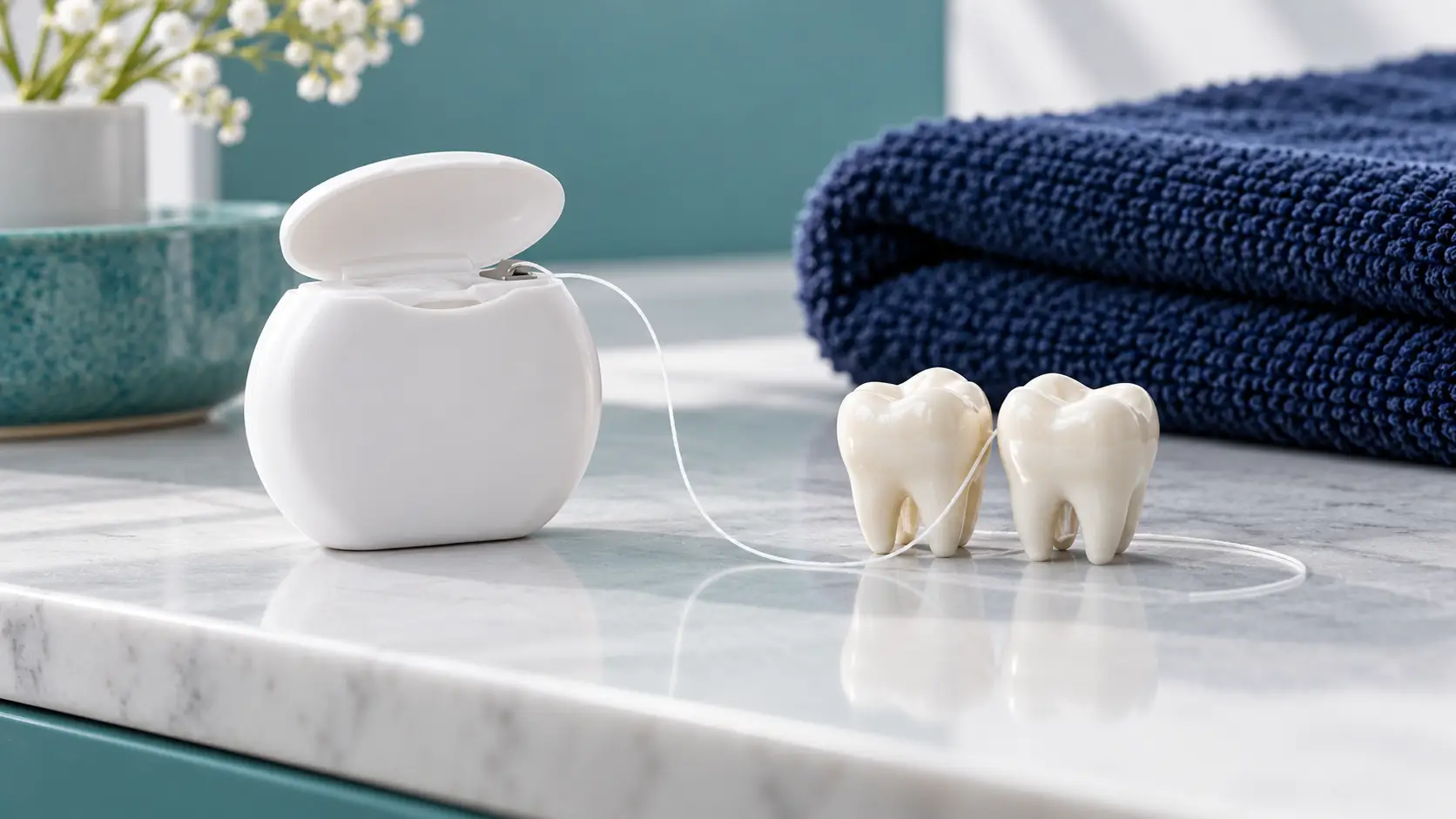
Enjoy Halloween and its treats with care. A party does not have to become a sentence for your teeth. Everyday care makes more sense than a ritual: NIDCR recommends brushing twice daily with fluoride toothpaste and cleaning between your teeth. Oral hygiene guidance.
The old worm can remain a conversation starter. If a tooth worries you, the best response starts with understanding what is happening, rather than guessing which monster lives inside it.
Subscribe to Odonto News
Receive relevant topics, new discoveries, and conversations about oral health and dental culture.
Keep exploring Odonto News, The Special Teeth’s dental science and culture platform. For questions about your own smile, book an assessment in Tijuana.

Sources
- NIDCR — Why is fluoride good for dental health?: remineralización y prevención / remineralization and prevention.
- Gerabek, W. E. (1999). The tooth-worm: historical aspects of a popular medical belief. Clinical Oral Investigations, 3(1), 1–6. DOI: 10.1007/s007840050070.
- Hsu, T. L. y Ring, M. E. (1998). Driving out the “toothworm” in today’s China. Journal of the History of Dentistry, 46(3), 111–115. PMID: 10388453.
- NIDCR — The Tooth Decay Process: How to Reverse It and Avoid a Cavity (revisión / reviewed 2025).
- NIDCR — Oral Hygiene: higiene y cuidado diario / daily care.