 English


Why does your breath sometimes smell rotten? The truth about tonsil stones
Does your breath smell rotten, and do you see small white stones at the back of your mouth? Learn what tonsil stones are, why they can cause bad breath and when to seek care.
There is an awkward moment: someone leans closer and smiles, and you notice a smell that seems to come from the back of the throat. Sometimes the clue is a few tiny white stones hidden in the tonsils.
The white clue at the back of the mouth
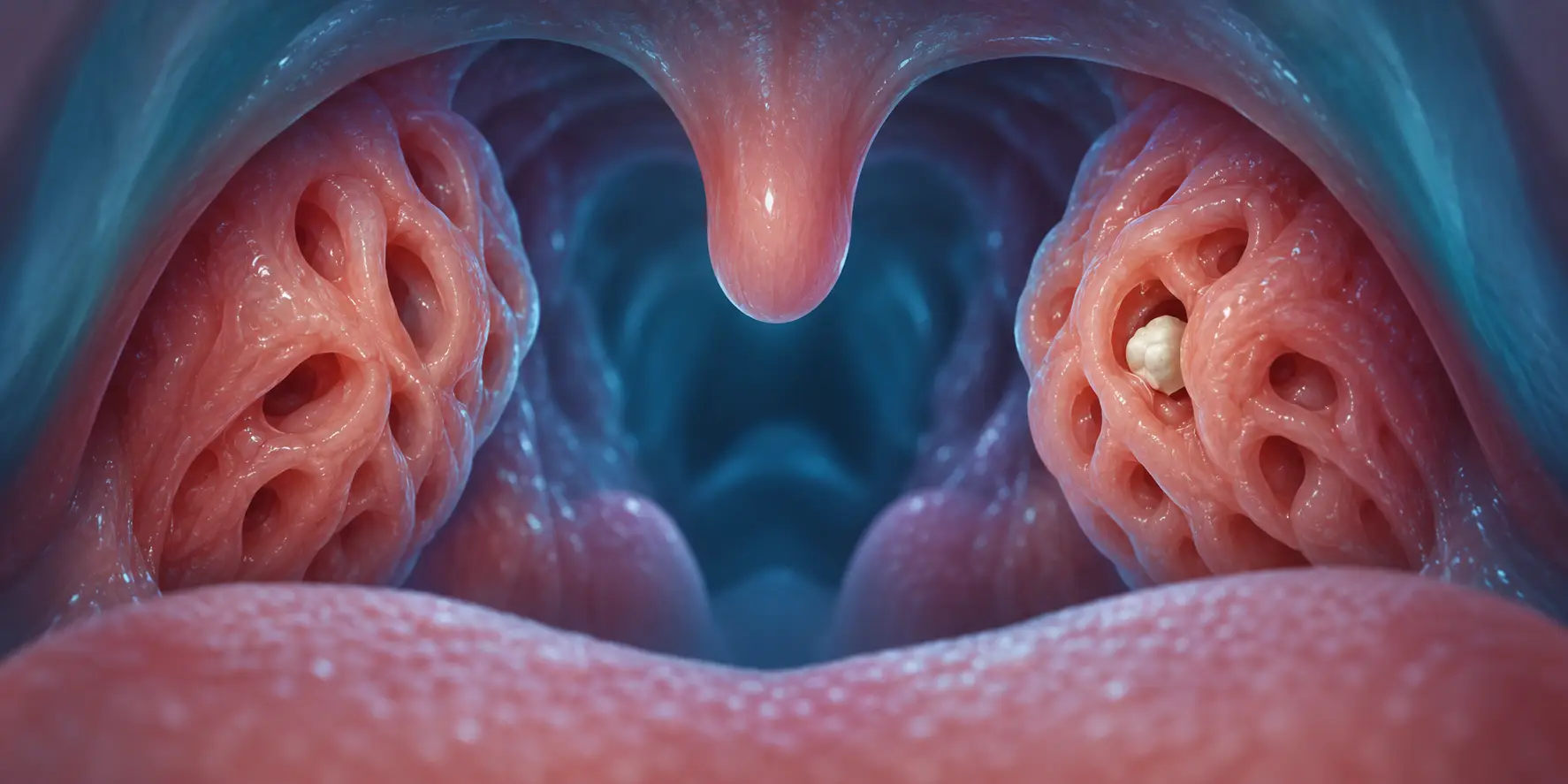
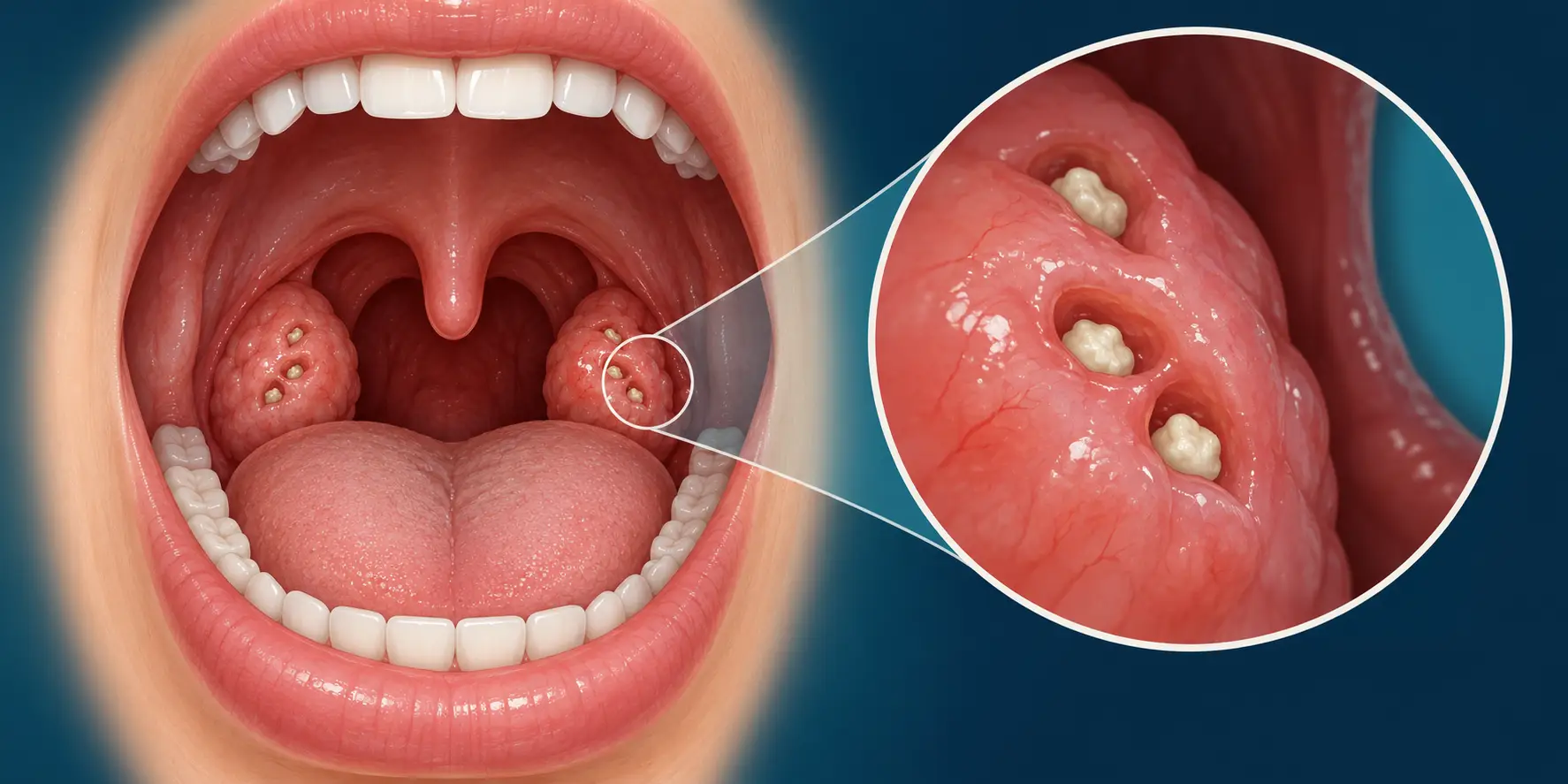
Tonsil stones, also called tonsilloliths, form in small crevices in the tonsils. Food particles, cells, minerals and microorganisms can become trapped there. Over time, this material can harden into small white or yellowish deposits.
It may look like a scene from a horror movie, but small stones are usually a nuisance rather than an emergency. Some people pass them without noticing. Others develop a feeling that something is stuck, throat clearing, a cough, an unpleasant taste or particularly noticeable bad breath.
How can something so small smell so strong?
Bacteria in the mouth can break down proteins and organic debris, releasing volatile sulfur compounds. These can have intense odors described as sulfur, rotten eggs or decomposing organic matter. This helps explain why a tiny tonsil stone can smell much worse than its size suggests.
Here is the twist: tonsil stones do not explain every case of bad breath. Dental plaque, the tongue, tooth decay, gum disease, dry mouth, tobacco, postnasal drip, some infections and reflux can also contribute. A persistent smell deserves an assessment rather than an automatic diagnosis.

Finding a stone does not prove it is the cause
A white spot can be a clue, but it is not enough to explain persistent bad breath. A professional evaluation can assess the teeth, gums, tongue and tonsils and, when necessary, the nose and throat. The goal is to identify the source rather than cover the smell with a mint.
Prudent home care includes brushing twice daily with fluoride toothpaste, gently cleaning the tongue, using floss or interdental brushes and staying hydrated. Warm saltwater gargles may help an adult who can spit the rinse out. Do not scrape the tonsils with sharp objects or push tools deep into the throat.

When to stop investigating in the mirror
If stones keep returning, are large, bleed, hurt, interfere with swallowing or come with fever or marked swelling, seek professional care. Difficulty breathing or inability to swallow calls for immediate emergency attention. A dentist, physician or ear, nose and throat specialist can determine whether a white spot is a tonsil stone or another condition.
The encouraging ending is that many small tonsil stones can be managed conservatively with hygiene, hydration and appropriate evaluation. Curiosity helps you recognize a clue; a diagnosis points to the right next step.