 English


The day pain changed: a dentist, ether, and a historic October
October 16, 1846 changed the history of anesthesia. The original report reveals a detail the legend often leaves out—and a connection to dental fear today.
A horror movie can make you clench your teeth. So can the thought of sitting in a dental chair. In October, we enjoy scares we can switch off; fear of pain sometimes keeps running after the credits. Yet a real story can change that script. Its defining scene happened on October 16, 1846, and one of its leading figures was a dentist.
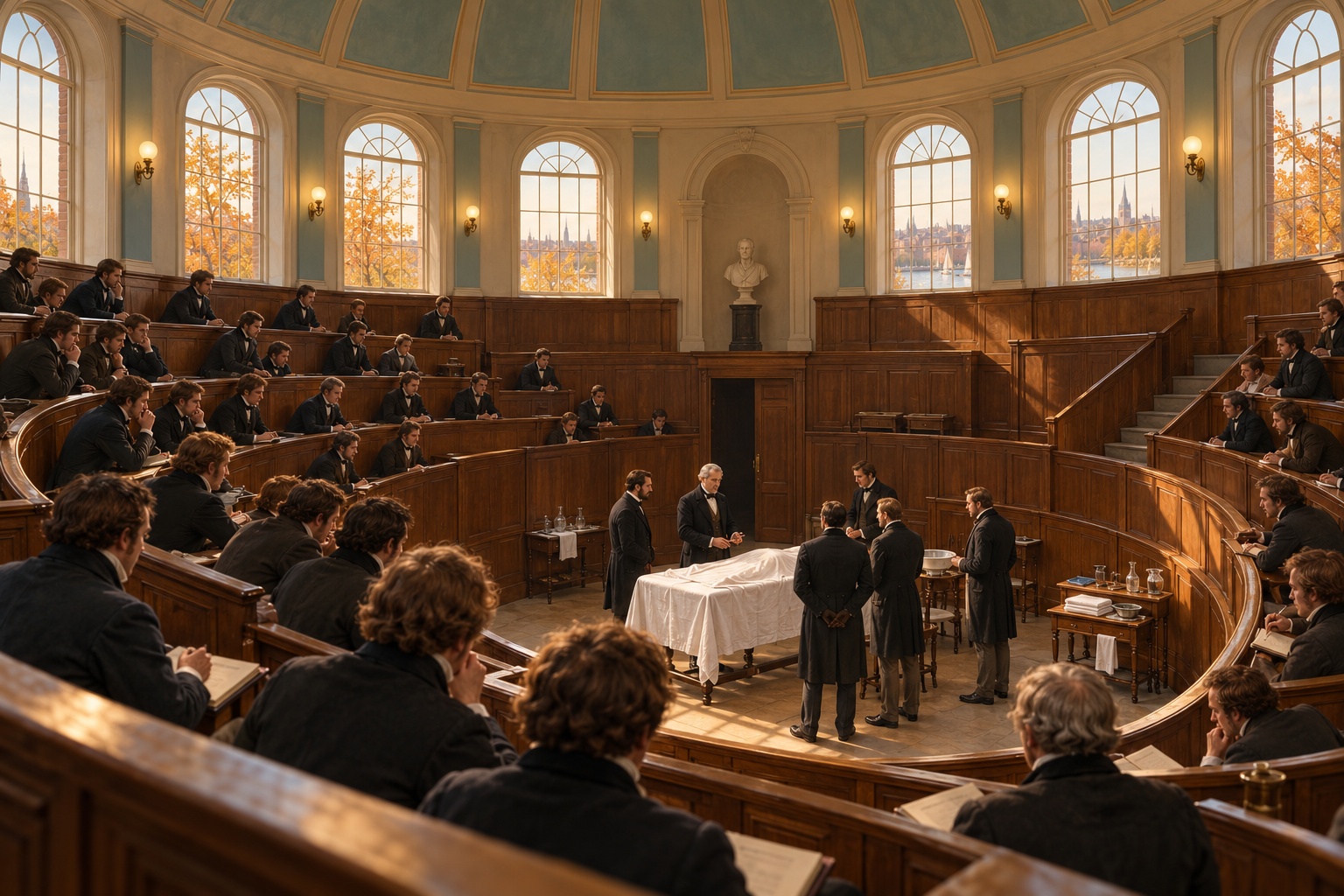
Picture a teaching amphitheater with physicians watching from the benches. This is a hospital, not a haunted house. At its center are a patient and a question that may sound strange today: could an operation take place without asking someone to endure all its suffering? The answer arrived gradually and imperfectly. That makes the story more interesting than the legend.
The day pain stopped seeming inevitable
At Massachusetts General Hospital in Boston, dentist William T. G. Morton administered ether while surgeon John Collins Warren operated on a growth in a patient’s neck. The hospital’s Russell Museum preserves the story of the room later called the Ether Dome: the setting of a successful public demonstration that transformed surgery.
The extraordinary part is the shift in the question. Instead of asking only how much a person could endure, medicine could ask how much suffering it could prevent. That change still matters whenever someone asks for an explanation of an injection, an extraction, or a pause during treatment.
Before Morton, others were already looking for a way through
Telling this story as a lone inventor’s triumph would erase part of what made it possible. The Wood Library-Museum timeline records an operation using ether performed by Crawford Long on March 30, 1842. It also documents dentist Horace Wells, who received nitrous oxide for the extraction of one of his own teeth in December 1844.
His public demonstration in 1845 failed to convince the observers. Morton came later; his 1846 demonstration played a crucial role in spreading the method, without canceling the contributions of others. Discovering something, showing it to an audience, and getting it adopted can be separate chapters in science.
This turn resembles a satisfying October story: just when you think you know its central character, an unnoticed door opens. Behind it are other people, incomplete attempts, and questions that survived disappointing results. The story becomes richer when we stop searching for a single hero who did everything alone.
The uncomfortable detail that makes it more scientific
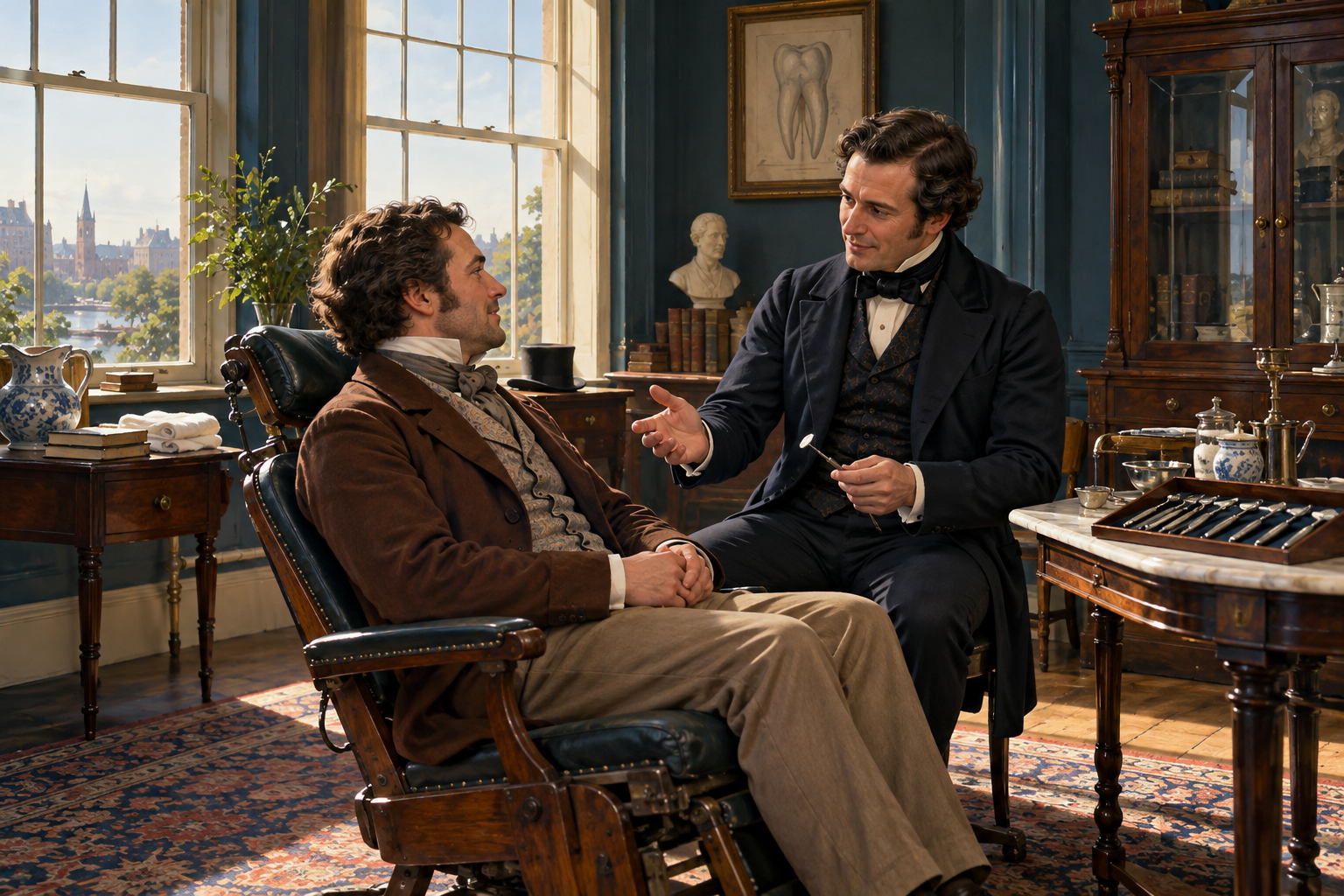
Here is the conflict that often disappears from the familiar anecdote. In his original report published on November 18, 1846, surgeon Henry Jacob Bigelow described pain in the first patient, although it was reduced. Another operation took place the next day, and that patient reported feeling no pain.
October 16 is therefore a milestone in anesthesia, not proof that every procedure became completely painless from that moment onward. A contemporary source lets us distinguish the historical achievement from its specific results. We do not have to hide its imperfection to appreciate what happened.
The document provides a particular kind of satisfaction. You can move from a dramatic story to a page someone published while the development was still new. Curiosity becomes less dependent on repeating a memorable line and more interested in evidence. That small habit is useful when reading medical promises on a screen as well.

Being asleep, being relaxed, and numbing an area are different things
Modern dentistry uses different tools. The American Dental Association explains that local anesthesia blocks nerve signals in an area of the mouth. Sedation helps manage anxiety; general anesthesia involves a temporary loss of consciousness. These terms are not interchangeable, and every dental visit does not require putting the patient to sleep.
The choice depends on the treatment, health, allergies, and anxiety, among other factors. Discussing it before treatment helps you understand the proposed approach, its risks, and the instructions you need to follow. The ether story is not a recipe for recreating historical anesthesia at home.
The practical benefit you can take from this reading is much more ordinary: ask for a clear explanation. You do not need to know the names of every medication to participate in the conversation. It helps to describe your concerns and hear how your care is being planned.
A raised hand can change the script too
If anticipation becomes your own horror movie, the ADA recommends telling the team that you are nervous, asking questions, and agreeing on a signal to request a break. If you feel pain despite a local anesthetic, say so. Communication allows the team to reassess what is happening during treatment.
It may be a raised hand. It may be a question you have rehearsed for weeks. That small gesture makes the chair a place where you have a voice. A better visit starts when the professional understands your concerns and you understand the next step.

Let the scare stay at the party
Enjoy October, its costumes, and its unsettling stories. Bring a different kind of courage to caring for your smile: ask questions, explain what you feel, and seek care when you need it. Anesthesia did not arrive as a magic trick; it grew through testing, observation, and correction. That is an encouraging story still worth telling.
Odonto News, from The Special Teeth in Tijuana, connects science and history with oral health culture. Keep exploring: understanding the story behind an everyday practice can change how you experience it.
Sources to keep exploring
- Russell Museum, Massachusetts General Hospital: the Ether Dome and October 16, 1846
- Wood Library-Museum: timeline of Long, Wells, and Morton
- Bigelow HJ: original 1846 report, Boston Medical and Surgical Journal 35:309–317 (PDF)
- American Dental Association: anesthesia and sedation (updated August 2025)
- American Dental Association: communicating dental anxiety
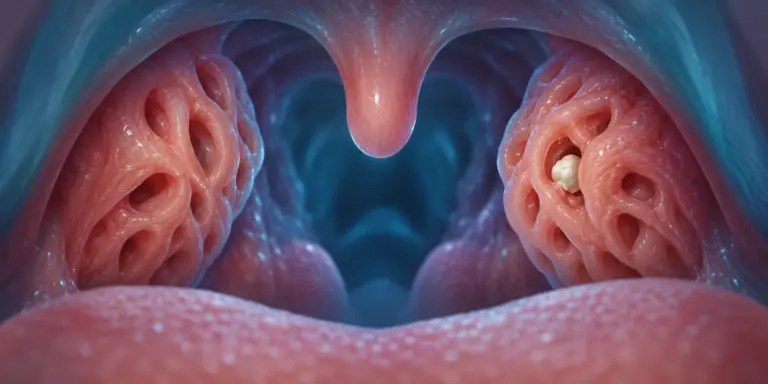
These AI-generated images are conceptual illustrations, not photographs of actual patients or original historical documents.