 English


Dracula's fangs: how the vampire got his smile
Bela Lugosi never showed fangs. The vampire's smile took shape between an 1845 penny serial, Stoker's novel, a Turkish film and Hammer.
In 1931 Bela Lugosi became the most famous Dracula in film. He had the cape, the accent, the hypnotic stare and an unforgettable way of saying “good evening”. What he did not have was fangs. They are never seen in the whole film.
Today it seems impossible to imagine a vampire without those two sharp canines. But the smile we associate with Dracula was assembled bit by bit: a cheap serial, an Irish novel, a Turkish film and a British make-up artist.
Before Dracula
The vampires of European folklore, documented since at least the 18th century, were mostly bloated corpses rising from the grave. Teeth were not their main feature.
The change came with popular literature. Between 1845 and 1847, Varney the Vampire, attributed to James Malcolm Rymer and Thomas Peckett Prest, was published in London in cheap weekly instalments. It contains one of the first descriptions of a vampire biting with sharp teeth: “With a plunge he seizes her neck in his fang-like teeth.” Varney also leaves two small wounds on his victims’ necks, an image that would become classic.
The Count’s mouth
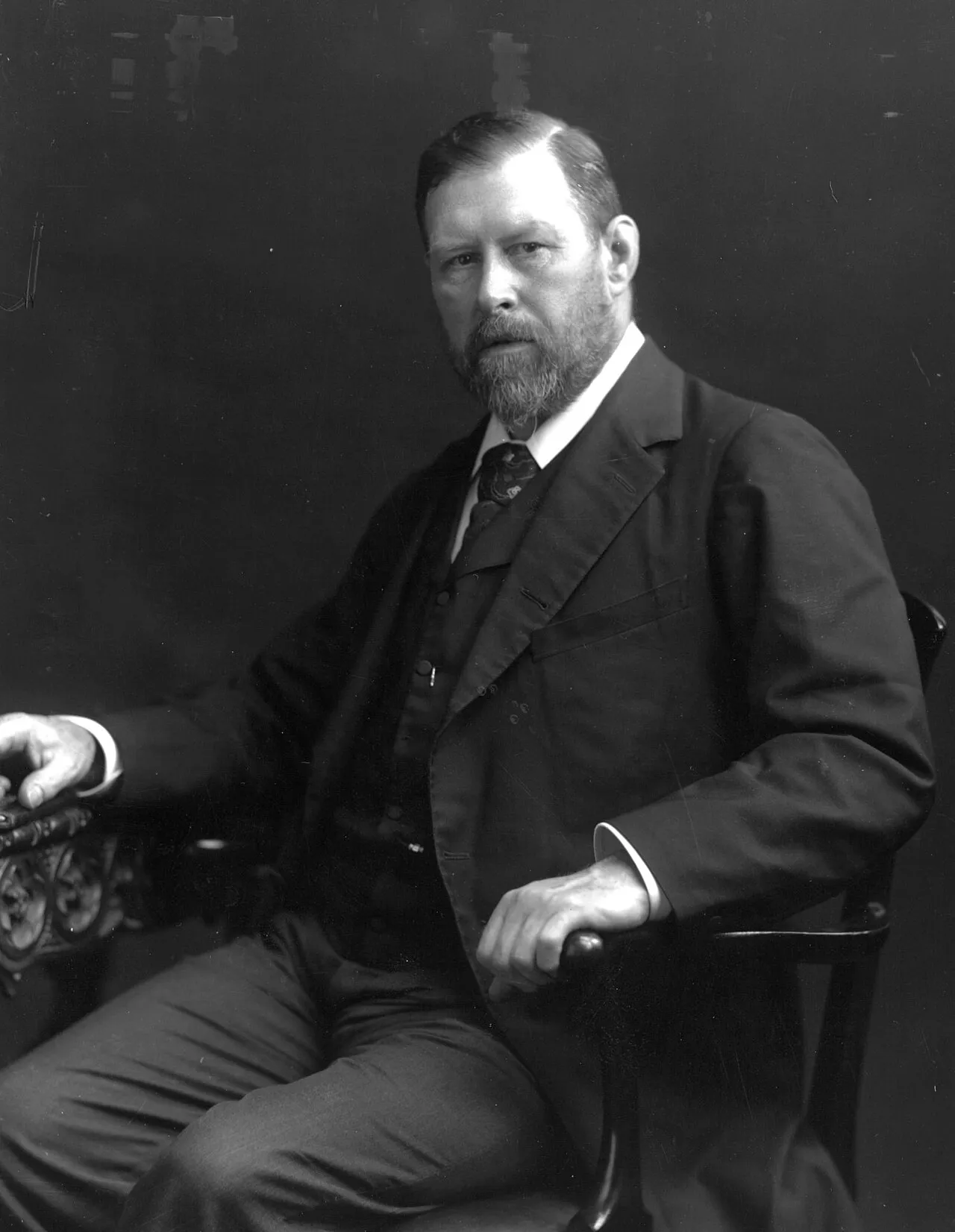
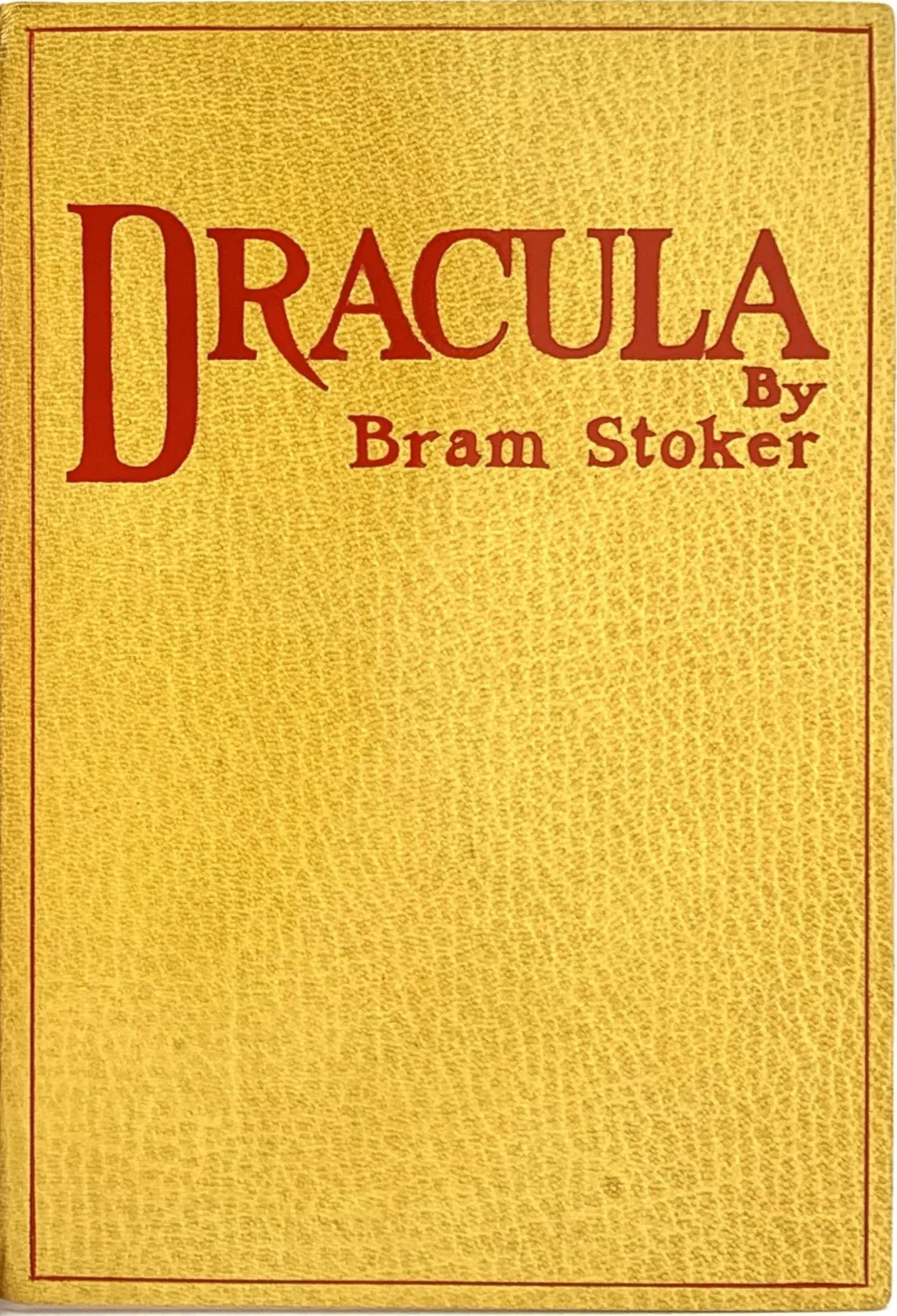
In 1897 the Irish writer Bram Stoker published Dracula. In the second chapter, the solicitor Jonathan Harker describes the Count on meeting him: a mouth “fixed and rather cruel-looking, with peculiarly sharp white teeth” that protruded over remarkably red lips.
Later, as Lucy Westenra begins to change, Dr Seward notes a detail any dentist would recognise: the canine teeth looked longer and sharper than the rest. According to most historians cited by Smithsonian, it was this novel that permanently linked vampires with fangs.
The theatre problem
Even so, for decades the fangs stayed on the page. Smithsonian points to a practical reason: on stage, before microphones, actors had to speak clearly, and false teeth distort pronunciation. Lugosi’s Dracula came straight from a stage play.
Silent cinema did experiment. In Nosferatu (1922), Max Schreck’s Count Orlok has repulsive teeth, but his long teeth are at the front, more like a rat’s than a wolf’s.
The twist: the first fangs came from Istanbul
The first known film to show Dracula with fangs was neither American nor British. It was Drakula İstanbul’da (Dracula in Istanbul), shot in Turkey in 1953 and directed by Mehmet Muhtar, with Atıf Kaptan as the Count. It was based on a 1928 Turkish novel that was largely an adaptation of Stoker’s.
In 1957 the Mexican film El vampiro, starring Germán Robles, also presented a fanged vampire. But the company that made fangs universal was Britain’s Hammer: in 1958 it released Dracula, with Christopher Lee. The fangs were designed by make-up artist Phil Leakey. According to Hammer itself, one version included a small reservoir of fake blood that Lee was meant to operate by pressing his tongue against his palate. Leakey later admitted that when Lee tried it, he nearly choked.
Lee played the Count in several more films. By the late 1970s even children’s vampire masks came with fangs.
What is known and what is still debated
Documented:
- Varney the Vampire (1845-1847) already describes “fang-like teeth” and neck wounds.
- In 1897 Stoker describes the Count’s sharp teeth and Lucy’s lengthened canines.
- Lugosi wore no fangs in 1931; Christopher Lee did in 1958.
Still debated:
- Whether Drakula İstanbul’da really was the first film with fangs: it is the oldest known, but many films of that era are lost or poorly documented.
- How much each work contributed: the idea of fangs formed by accumulation, not through a single author.
Real fangs
The teeth that cinema sharpened are the canines, and in the human mouth they play an important role. They have the longest roots of any tooth, and when the jaw moves sideways they often guide the movement and protect the other teeth from rubbing. That is why, when someone clenches or grinds, the tips of the canines are among the first to wear down. We explain it in Bruxism: why you clench or grind your teeth.
And if you wonder how real vampires bite, the answer lies not in the canines but in the incisors: we tell that story in Real vampires don’t use their teeth the way you imagine.