 English
Real Vampires Do Not Use Their Teeth the Way You Think: How Vampire Bats Feed
Vampire bats exist, but they do not suck blood through hollow fangs. Their incisors, saliva and tongue tell a more surprising story.
It is night on a ranch in tropical Mexico. A cow is sleeping on its feet. A small animal lands a couple of metres away, walks up on its folded wings and uses its nose to find a warm spot on the skin. A few minutes later it is feeding. The cow never notices.
Vampire bats exist, and they are far more interesting than the ones in films. But they do not feed like Dracula. They do not sink two hollow fangs in to suck blood. Their secret lies in other teeth, in their saliva and in their tongue.
Three species, all American
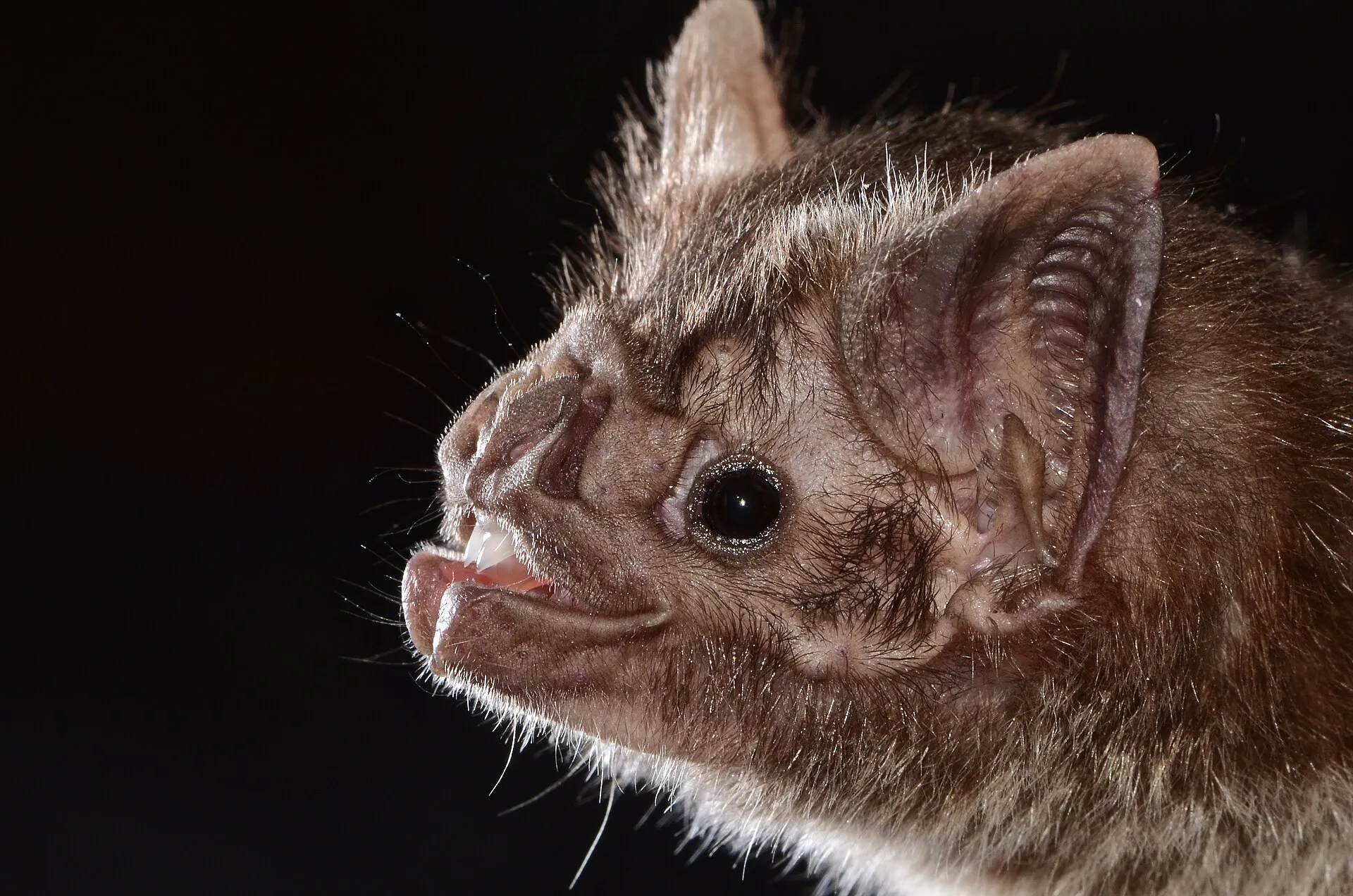
Only three of the more than a thousand bat species feed on blood, and all three live in the Americas, from Mexico to South America. The most common, Desmodus rotundus, feeds mainly on livestock. The other two prefer bird blood.
They are small: a common vampire fits in the palm of your hand. And unlike almost all bats, they can walk, run and hop on the ground, which lets them approach their prey quietly.
A scalpel in the mouth
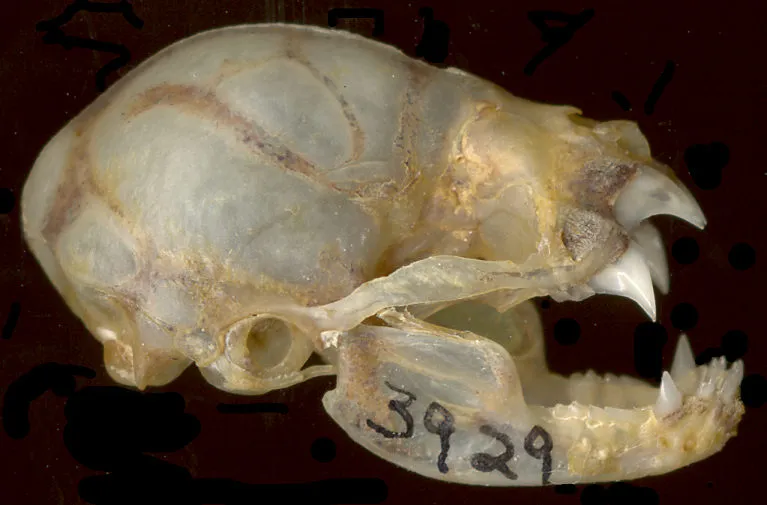
The main tool is not the canines but the upper incisors: two large, triangular front teeth as sharp as razors. With them the bat makes a small, shallow cut, often after shaving the hair from the spot with the same teeth. To choose the spot it uses heat sensors on its nose that detect where blood flows close to the skin.
Because it only drinks, it has very few chewing teeth. Its set of teeth is an extreme example of how tooth shape adapts to what an animal eats.
The twist: they lap, they do not suck
Here the straw-fang myth falls apart. The vampire bat does not suck. Once the cut is made, it laps up the blood that flows, with a tongue that channels it into the mouth.
To keep the wound from closing, its saliva contains an anticoagulant. The scientists who purified it in the 1990s gave it a playful name: draculin. This protein blocks one of the steps of clotting, so the blood keeps flowing while the animal feeds.
Generous vampires
Another fact undermines the monster image. A vampire bat that goes two nights in a row without feeding can starve. In 1984 biologist Gerald Wilkinson reported in Nature that in the wild these animals share food: a bat that has fed regurgitates some blood for a companion that failed. And they tend to help those who helped them before. It is one of the classic examples of reciprocity in the animal kingdom.
The real risk
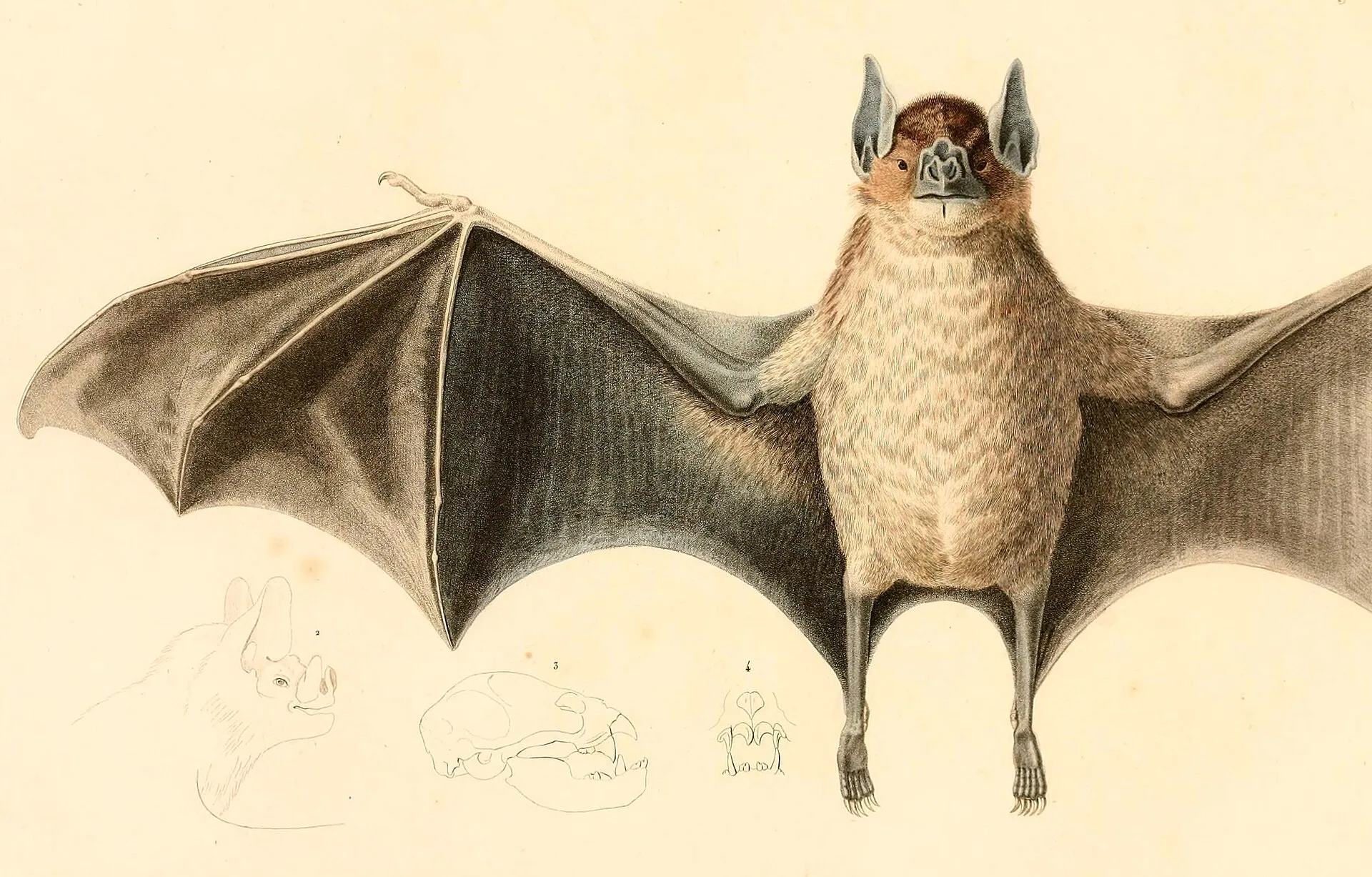
Blood loss is not usually the problem. The risk is disease. In Mexico the vampire bat is the main transmitter of paralytic rabies in cattle, and the national animal-health service, SENASICA, runs livestock vaccination and surveillance campaigns. That is why no one should touch or handle any bat, alive or dead, and a bite needs immediate medical attention.
What is known and what is still open
Documented:
- There are three species of vampire bat, all in the Americas.
- They cut with their incisors and lap the blood; they do not suck it.
- Their saliva contains an anticoagulant, draculin.
- They share food by regurgitating blood for hungry companions.
Not fully resolved:
- Why some individuals help more than others: research on their social lives continues.
Teeth made for what you eat
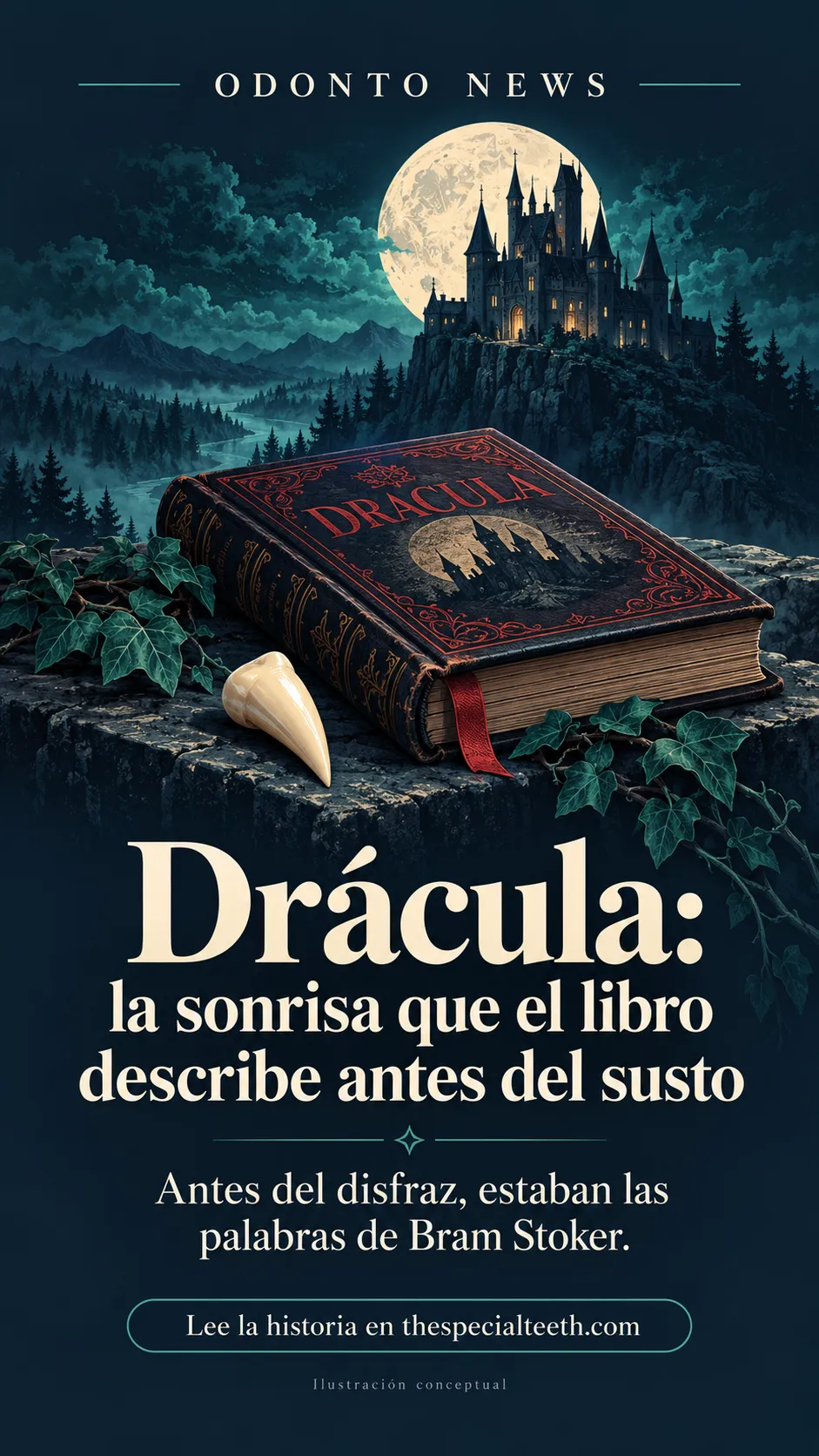
Our teeth also tell what we eat: incisors to cut, canines to tear, molars to grind. The vampire took that logic to the extreme. In the 1897 novel Dracula, one of the characters tells how a bat on the pampas drained his mare in a single night. Fiction and biology cross paths, but the real animal needs no legends to amaze.
Sources
- US Geological Survey — Do vampire bats really exist?
- Smithsonian Institution — Bat Facts
- Wilkinson, G. S. (1984). Reciprocal food sharing in the vampire bat. Nature 308: 181–184
- National Geographic — Carter and Wilkinson (2015), Proceedings of the Royal Society B
- Apitz-Castro et al. (1995). Purification and partial characterization of draculin. Thrombosis and Haemostasis 73(1): 94–100
- SENASICA — Paralytic rabies in cattle (Spanish)