 English
Sugar skulls: the story of alfeñique and the orchid that holds it together
An Arab technique, a 1630 permit in Toluca and an orchid that gives sugar its shape: the story behind Day of the Dead sugar skulls.
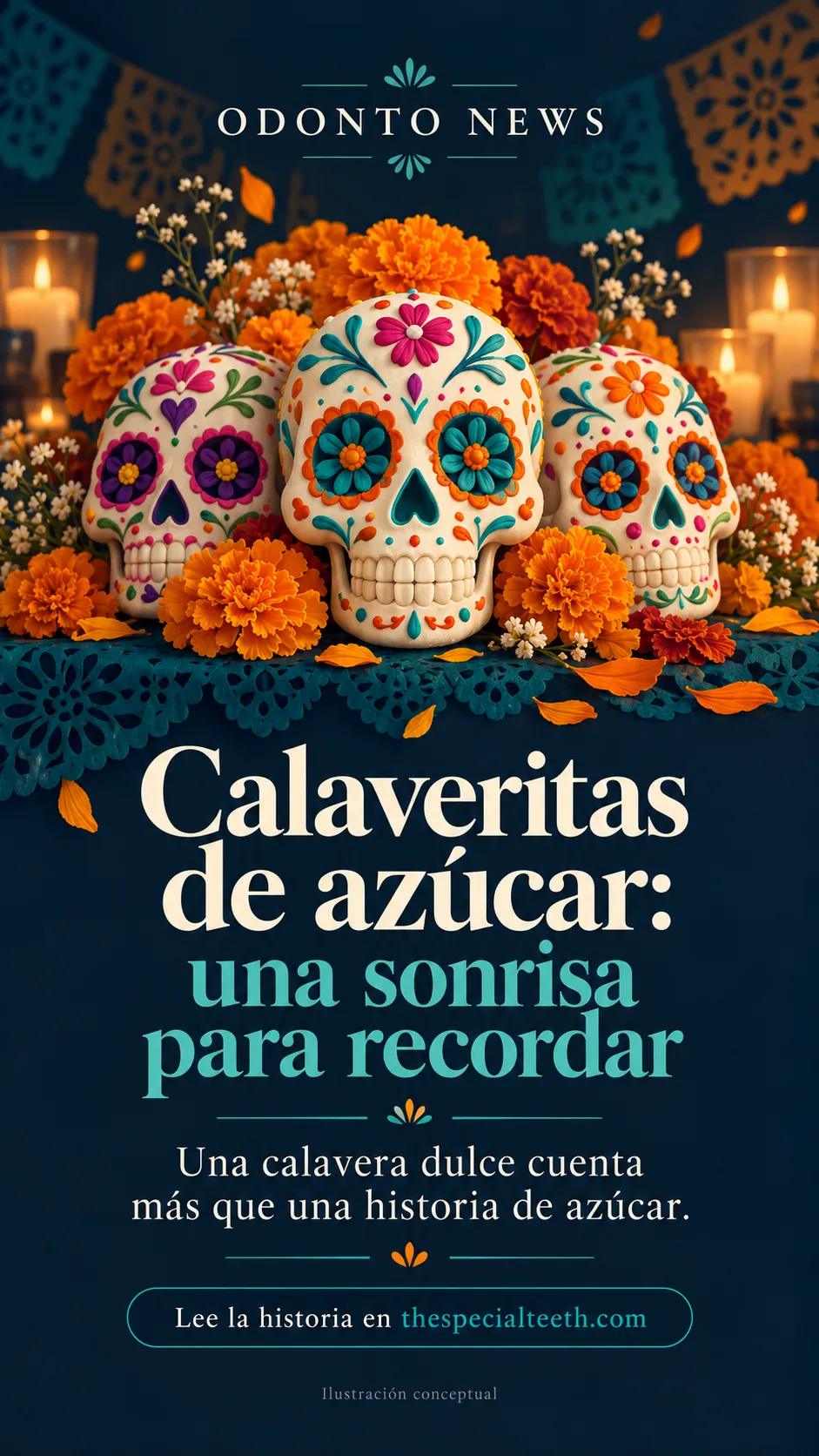
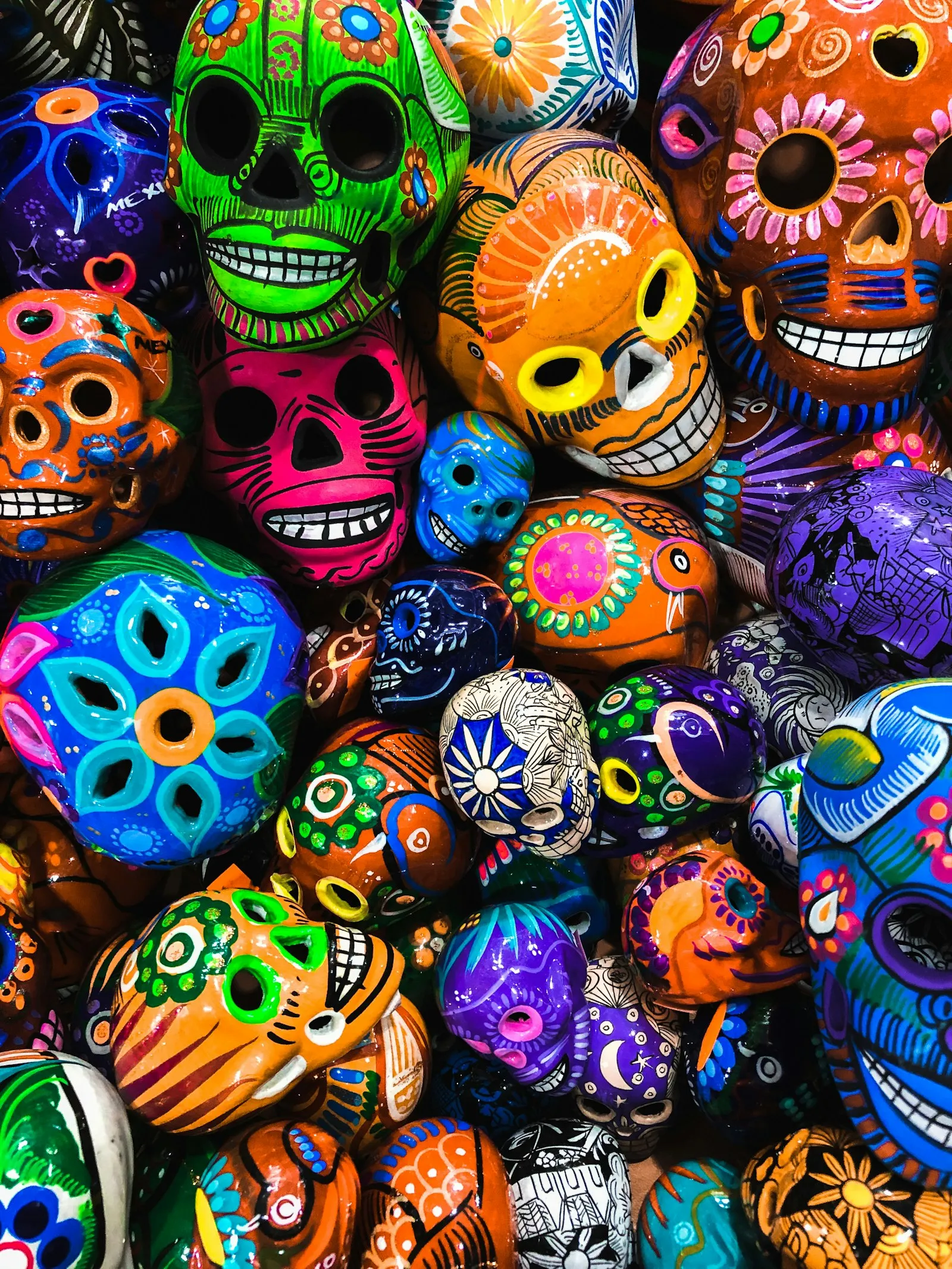
Every autumn, under the arcades of downtown Toluca, hundreds of small skulls are lined up in rows. They have coloured eyes, flowers on the forehead and a smile with clearly marked teeth. Many carry a written name: sometimes that of someone who has died, sometimes that of a living friend who will receive it as a gift.
It looks like a simple tradition. Behind it lie almost four centuries of history, a technique that crossed the Mediterranean and the Atlantic, and a secret ingredient few people know about: an orchid.
A sweet with an Arabic name
The word alfeñique comes from Arabic and referred to a paste of cooked sugar stretched into thin layers. The technique reached the Iberian Peninsula and, with the arrival of the Spanish, New Spain, along with the cultivation of sugar cane.
According to Toluca’s municipal chronicler, Alexandre Naime, the sweet has mixed origins: a technique of Arab influence that in the Americas blended with local materials and customs. In the colonial period, sugar figures were made for the celebrations of late October and early November, and convents played an important role in the confectionery of the time.
A permit from 1630
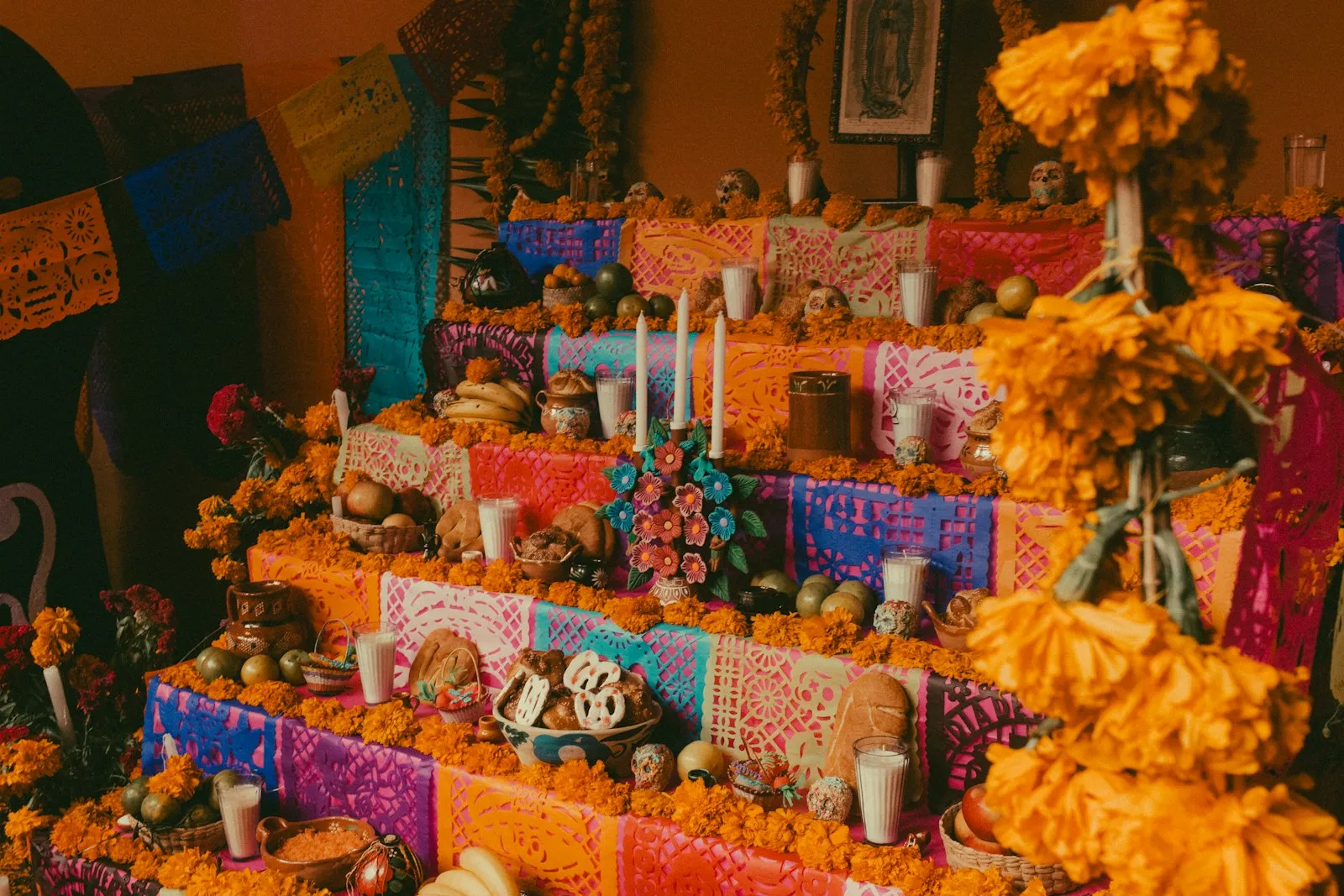
In Toluca, the story has a date and a name. According to information released by the municipality, from 1630 the craftsman Francisco de la Rosa was authorised to make alfeñique. Over time, the sale of sugar figures for the Day of the Dead became a fair that now fills the downtown arcades from mid-October to early November.
Skulls are sold there, but so are animals, fruit, coffins and small figures from everyday life. In 2002 a fourth-generation craftsman, Horacio Vilchis Gutiérrez, told La Jornada he had been making sweets for seventy years.
The twist: the skull is held together by an orchid
To make the sugar hold its shape, Toluca’s craftspeople use chautle, the bulb of a ground orchid identified as Bletia campanulata. According to the description in La Jornada, chautle is dried in the sun, ground, sifted and mixed with water into a thick liquid. It is then combined with powdered sugar, egg white and lemon to make the paste that is moulded.
Some craftspeople replace it with tragacanth gum, but chautle is one of the features that set Toluca’s alfeñique apart. The figures are left to dry for about a day before they are decorated.
Besides alfeñique there is “al vaciado” candy, made by pouring melted sugar into clay moulds. Many of the sugar skulls sold in markets across Mexico are made this way. There are also chocolate and amaranth versions.
A recent heritage listing
In October 2025 the Congress of the State of Mexico declared Toluca’s alfeñique Intangible Cultural Heritage of the state, following an initiative from the city council. The declaration also covers other traditional sweets, such as crystallised fruit and typical biscuits.
What is known and what is still debated
Documented:
- Alfeñique is a technique of Arab origin that reached Mexico with the Spanish.
- In Toluca, chautle, a ground orchid, is used to give the paste its consistency.
- In 2025 Toluca’s alfeñique was declared Intangible Cultural Heritage of the State of Mexico.
Still debated:
- It is often said that sugar skulls replaced the skulls of pre-Hispanic tzompantli racks. The idea is widely repeated, but it is presented without sources showing that direct continuity.
- The detail of the 1630 permit comes from the municipal chronicle; we did not find the original document published.
The skull’s smile
Sugar skulls almost always show a row of teeth, even if they are only drawn in icing. It makes sense: in a real skull, the teeth are what best withstand the passage of time. Enamel is the hardest tissue in the human body, which is why teeth can help identify a person many years later. We tell that story in Teeth also tell who we were.
And if you want to keep following the Day of the Dead trail, Mexico’s other great smiling skull has its own story in La Catrina.
Sources
- Secretaría de Cultura — Las calaveritas de azúcar, una dulce tradición para el Día de Muertos
- CID Alberto Beltrán — Fototeca: calaveritas de azúcar
- La Jornada (2002) — El alfeñique en el valle de Toluca
- Posta (2025) — Alfeñique se convierte en Patrimonio Cultural Inmaterial del Estado de México
- México Desconocido — Calaveras de azúcar, significado y origen