 English

Diabetes and Oral Health: What Your Mouth Can Reveal About Your Blood Sugar
Bleeding gums, dry mouth, infections that are slow to heal. Diabetes and oral health influence each other in both directions. What the evidence says and how to take care of yourself.
Diabetes affects not only the eyes, kidneys or nerves; it also shows up in the mouth. People with diabetes have a higher risk of gum disease, dry mouth, infections and healing problems. And the relationship works both ways: untreated gum disease can make blood sugar harder to control. Understanding this connection makes it possible to take care of both at the same time.
Picture this hypothetical scene: Arturo is 50 and goes to the dentist because his gums bleed and he feels that two molars “wiggle.” During the appointment he mentions that he is very thirsty, gets up several times a night to urinate and has lost weight without trying. His dentist suggests he see his physician. Weeks later, Arturo is diagnosed with type 2 diabetes. His mouth had given the first signal.
A two-way relationship
A joint workshop of the International Diabetes Federation and the European Federation of Periodontology reviewed the evidence and concluded that the relationship between diabetes and periodontitis is bidirectional. Diabetes, especially when poorly controlled, increases the risk and severity of periodontitis. In turn, periodontitis is associated with poorer glucose control and more diabetes complications (Sanz et al., 2018). Earlier reviews had already described this relationship as a “two-way street” (Preshaw et al., 2012) and as the story of two common, interrelated diseases (Lalla & Papapanou, 2011).
From diabetes to the gums
Association studies show that people with diabetes have more periodontitis and that the risk is higher the poorer their glucose control (Genco & Borgnakke, 2020). Excess blood sugar promotes an exaggerated inflammatory response, impairs tissue repair and changes how the body’s defenses work. The result is that the same amount of plaque can cause more destruction of gum and bone.
From the gums to diabetes
Periodontitis is a chronic source of inflammation. A systematic review of observational studies found that people with periodontitis have poorer glucose control, more diabetes complications and, in some studies, a higher likelihood of developing diabetes (Borgnakke et al., 2013). A later update confirmed that periodontitis is associated with higher glycated hemoglobin levels, even in people without diabetes, and with a higher risk of type 2 diabetes (Graziani et al., 2018).
One proposed explanation is that inflammatory substances released by inflamed gums reach the bloodstream and can interfere with how the body responds to insulin, which makes blood sugar harder to keep within target ranges (Preshaw et al., 2012). That is why oral health is increasingly seen as part of comprehensive diabetes care.
Does treating the gums help control blood sugar?
This is perhaps the most interesting question. A consensus of European and American periodontal societies concluded that periodontal treatment is associated with a reduction in glycated hemoglobin in people with type 2 diabetes (Chapple et al., 2013). A more recent Cochrane review quantified that effect: around 0.4 percentage points at three to four months and about 0.3 points at six months, with moderate-certainty evidence (Simpson et al., 2022).
A 12-month clinical trial in people with type 2 diabetes found that intensive periodontal treatment, compared with a conventional cleaning, lowered glycated hemoglobin and improved markers of inflammation and kidney function (D’Aiuto et al., 2018). These results do not replace medical treatment, but they show that caring for the gums can add to it.
Other signs in the mouth
Diabetes can affect the mouth in many ways beyond the gums. Reviews on the topic describe (Lamster et al., 2008; Mauri-Obradors et al., 2017):
- Dry mouth and reduced saliva production.
- Fungal infections, such as candidiasis.
- Taste changes and a burning sensation in the mouth.
- Slower healing after extractions or other surgery.
- Higher risk of decay, especially when there is dry mouth.
A study reviewing the literature on saliva and diabetes found that the sensation of dry mouth and reduced salivary flow are more common in people with diabetes than in those without it (López-Pintor et al., 2016). Because saliva protects the teeth, this helps explain the higher risk of decay.
Signs in the mouth worth mentioning to your physician
- Gums that bleed often or look red and swollen.
- Teeth that are loose or drifting apart.
- Recurrent gum infections.
- Persistent dry mouth or excessive thirst.
- Sores in the mouth that are slow to heal.
If there are also symptoms such as great thirst, frequent urination, tiredness or unexplained weight loss, it is worth getting a glucose test. The recommendations of the international consensus propose that oral health professionals watch for these signs and guide their patients toward a medical assessment (Sanz et al., 2018).
Recommended care if you have diabetes
- Tell your dentist that you have diabetes, which medications you take and how well controlled it is.
- Have regular periodontal checkups, not only when something hurts.
- Brush twice a day with fluoride toothpaste and clean between your teeth every day.
- Stay hydrated and mention it if you have dry mouth.
- Schedule appointments at a time when you have eaten and taken your medications, to avoid low blood sugar.
- Don’t smoke: tobacco multiplies the risk of gum disease.
Frequently asked questions
Does having diabetes mean I will lose my teeth? No. With good glucose control, daily hygiene and regular checkups, people with diabetes can keep a healthy mouth.
Can I have dental treatment if I have diabetes? Yes. In general, treatments are safe. It is a good idea to inform the dentist and, in some cases, coordinate with the physician, especially for surgery.
Can a dentist detect diabetes? A dentist does not diagnose it, but may notice signs that suggest getting tested, as happened in Arturo’s case.
The end of the story
In our hypothetical case, Arturo began treatment for his diabetes and, at the same time, received periodontal treatment. His gums stopped bleeding and one of the loose molars stabilized. Months later, his physician told him that his glycated hemoglobin had improved. Arturo jokes that his dentist “saved more than his teeth.” His story illustrates a simple message: the mouth and the rest of the body are connected, and caring for them together leads to better results.
If you want a professional to take a look
Learn more about gum care at The Special Teeth. If you are coming from the United States, our guide to planning your visit to Tijuana helps with the border crossing and transfers. Whenever you are ready, you can request an evaluation.
References
Borgnakke, W. S., Ylöstalo, P. V., Taylor, G. W., & Genco, R. J. (2013). Effect of periodontal disease on diabetes: Systematic review of epidemiologic observational evidence. Journal of Clinical Periodontology, 40(S14), S135–S152. DOI: https://doi.org/10.1111/jcpe.12080
Chapple, I. L. C., Genco, R., & Working Group 2 of the Joint EFP/AAP Workshop. (2013). Diabetes and periodontal diseases: Consensus report of the Joint EFP/AAP Workshop on Periodontitis and Systemic Diseases. Journal of Clinical Periodontology, 40(S14), S106–S112. DOI: https://doi.org/10.1111/jcpe.12077
D’Aiuto, F., Gkranias, N., Bhowruth, D., Khan, T., Orlandi, M., Suvan, J., Masi, S., Tsakos, G., Hurel, S., Hingorani, A. D., Donos, N., Deanfield, J. E., Lomax, A., Horvath, A., Zambon, R., Tay, S., Tatarakis, N., Spratt, D., Kingston, I., . . . Mellor, T. (2018). Systemic effects of periodontitis treatment in patients with type 2 diabetes: A 12 month, single-centre, investigator-masked, randomised trial. The Lancet Diabetes & Endocrinology, 6(12), 954–965. DOI: https://doi.org/10.1016/s2213-8587(18)30038-x
Genco, R. J., & Borgnakke, W. S. (2020). Diabetes as a potential risk for periodontitis: Association studies. Periodontology 2000, 83(1), 40–45. DOI: https://doi.org/10.1111/prd.12270
Graziani, F., Gennai, S., Solini, A., & Petrini, M. (2018). A systematic review and meta-analysis of epidemiologic observational evidence on the effect of periodontitis on diabetes. An update of the EFP-AAP review. Journal of Clinical Periodontology, 45(2), 167–187. DOI: https://doi.org/10.1111/jcpe.12837
Lalla, E., & Papapanou, P. N. (2011). Diabetes mellitus and periodontitis: A tale of two common interrelated diseases. Nature Reviews Endocrinology, 7(12), 738–748. DOI: https://doi.org/10.1038/nrendo.2011.106
Lamster, I. B., Lalla, E., Borgnakke, W. S., & Taylor, G. W. (2008). The relationship between oral health and diabetes mellitus. The Journal of the American Dental Association, 139(Suppl), 19S–24S. DOI: https://doi.org/10.14219/jada.archive.2008.0363
López-Pintor, R. M., Casañas, E., González-Serrano, J., Serrano, J., Ramírez, L., de Arriba, L., & Hernández, G. (2016). Xerostomia, hyposalivation, and salivary flow in diabetes patients. Journal of Diabetes Research, 2016, Article 4372852. DOI: https://doi.org/10.1155/2016/4372852
Mauri-Obradors, E., Estrugo-Devesa, A., Jané-Salas, E., Viñas, M., & López-López, J. (2017). Oral manifestations of diabetes mellitus. A systematic review. Medicina Oral Patología Oral y Cirugia Bucal, 22(5), e586–e594. DOI: https://doi.org/10.4317/medoral.21655
Preshaw, P. M., Alba, A. L., Herrera, D., Jepsen, S., Konstantinidis, A., Makrilakis, K., & Taylor, R. (2012). Periodontitis and diabetes: A two-way relationship. Diabetologia, 55(1), 21–31. DOI: https://doi.org/10.1007/s00125-011-2342-y
Sanz, M., Ceriello, A., Buysschaert, M., Chapple, I., Demmer, R. T., Graziani, F., Herrera, D., Jepsen, S., Lione, L., Madianos, P., Mathur, M., Montanya, E., Shapira, L., Tonetti, M., & Vegh, D. (2018). Scientific evidence on the links between periodontal diseases and diabetes: Consensus report and guidelines of the joint workshop on periodontal diseases and diabetes by the International Diabetes Federation and the European Federation of Periodontology. Journal of Clinical Periodontology, 45(2), 138–149. DOI: https://doi.org/10.1111/jcpe.12808
Simpson, T. C., Clarkson, J. E., Worthington, H. V., MacDonald, L., Weldon, J. C., Needleman, I., Iheozor-Ejiofor, Z., Wild, S. H., Qureshi, A., Walker, A., Patel, V. A., Boyers, D., & Twigg, J. (2022). Treatment of periodontitis for glycaemic control in people with diabetes mellitus. Cochrane Database of Systematic Reviews, 2022(4), Article CD004714. DOI: https://doi.org/10.1002/14651858.cd004714.pub4
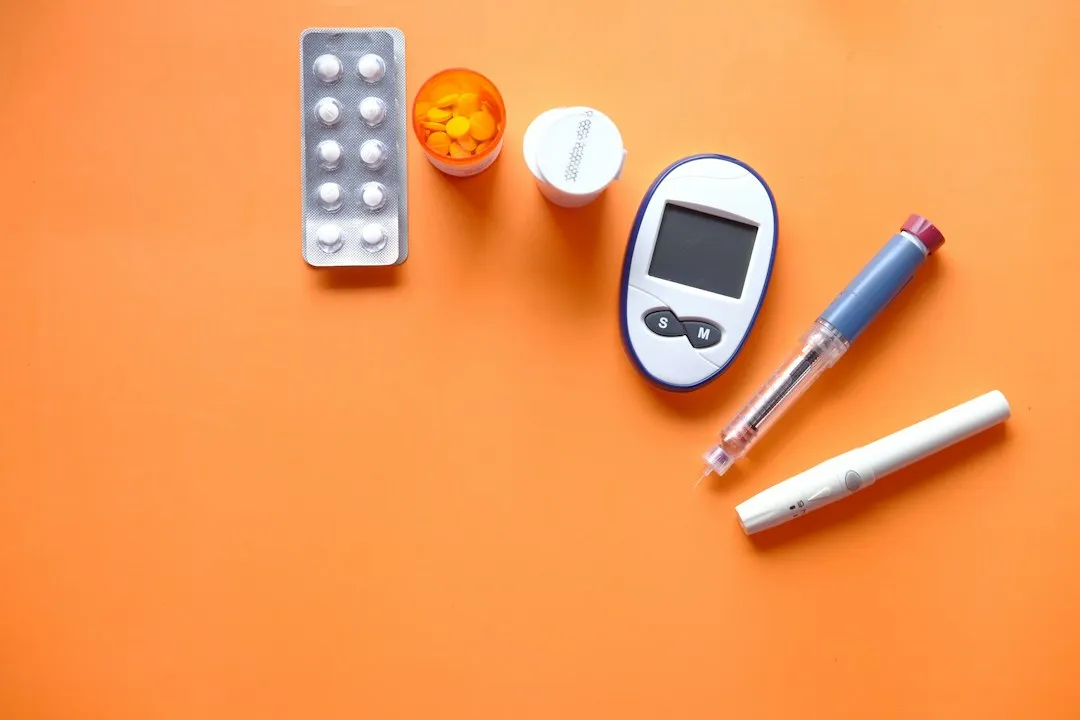
Main image: Towfiqu barbhuiya / Unsplash. Photos are illustrative stock images: they do not show patients, cases or results from The Special Teeth.
Educational information. A professional assessment determines the diagnosis and the appropriate options for each person.