 English

Pregnancy and Oral Health: Does “Every Child Cost a Tooth”? Myths, Changes and Safe Care
Bleeding gums, a lump on the gum or nausea that affects the teeth. What changes in the mouth during pregnancy and why seeing a dentist while pregnant is safe.
During pregnancy, hormonal changes make the gums react more strongly to plaque, so it is common for them to become inflamed and bleed. Nausea and vomiting that affect enamel, cravings that increase sugar intake and tiredness that makes oral hygiene harder can also appear. None of this means that pregnancy “steals” calcium from the teeth, but it does mean the mouth needs special attention at this stage.
Picture this hypothetical scene: Fernanda is 28 and five months pregnant. For weeks her gums have bled when she brushes, and she has noticed a small red lump between two lower teeth that bleeds easily. Her grandmother told her it is normal, that “every child costs a tooth,” and that she should not see a dentist until after the birth so as not to harm the baby. Fernanda is worried but does not know whom to believe.
What changes in the mouth during pregnancy?
Pregnancy gingivitis
This is the most common change. A systematic review found that gum inflammation increases during pregnancy in healthy women, even when the amount of plaque does not change significantly, and that it tends to decrease after delivery (Figuero et al., 2013). The explanation lies in hormones: estrogen and progesterone alter the blood vessels and immune response of the gums, which become more sensitive to bacteria.
The “pregnancy tumor”
The lump Fernanda noticed has a frightening name, but it is usually benign. It is a pyogenic granuloma, an inflamed and highly vascular gum lesion that appears more often during pregnancy and frequently shrinks after delivery (Silva de Araujo Figueiredo et al., 2017). Even so, it should be checked by a professional to confirm the diagnosis.
Erosion and decay
The frequent nausea and vomiting of the first trimester expose teeth to stomach acid. Add to that cravings, small and frequent meals and, sometimes, tiredness or nausea that make brushing harder. These conditions can increase the risk of erosion and decay during pregnancy (Silva de Araujo Figueiredo et al., 2017).
“Every child costs a tooth”: the myth
The idea that the baby “takes calcium from the mother’s teeth” has no support. The calcium in fully formed teeth is not mobilized for the baby the way it is from other tissues. What can happen is that, if gingivitis, decay or erosion are not treated, the damage progresses during those months. That is why pregnancy should not be a reason to postpone dental care, but one more reason to receive it.
Gums and pregnancy: what is known about preterm birth
For years researchers have studied whether maternal periodontitis is related to pregnancy complications. A systematic review found associations between maternal periodontitis and preterm birth, low birth weight and preeclampsia, although modest in size and highly variable across studies (Ide & Papapanou, 2013). The joint consensus of European and American periodontal societies concluded that the association exists, but that it does not allow anyone to state that periodontitis causes these complications (Sanz et al., 2013).
The next question was obvious: does treating the gums during pregnancy prevent preterm birth? A large clinical trial published in a leading medical journal found that periodontal treatment during pregnancy improved gum health and was safe, but did not significantly reduce the rate of preterm birth (Michalowicz et al., 2006). A later Cochrane review concluded that it is unclear whether periodontal treatment reduces preterm birth, although it might have some effect on low birth weight, with low-quality evidence (Iheozor-Ejiofor et al., 2017).
In short: caring for the gums during pregnancy is important for the mother’s health, it is safe and it may have benefits, but it should not be presented as a guarantee against pregnancy complications (Raju & Berens, 2021).
Is it safe to see a dentist while pregnant?
Yes. The American College of Obstetricians and Gynecologists states that preventive, diagnostic and restorative oral care is safe during pregnancy and that health professionals should encourage pregnant women to see a dentist (American College of Obstetricians and Gynecologists Committee on Health Care for Underserved Women, 2013). A study analyzing treatments such as cleanings, fillings, root canals and extractions during the second trimester found no increase in serious complications for mother or baby (Michalowicz et al., 2008).
Some practical recommendations:
- Tell your dentist that you are pregnant and how many weeks along you are.
- The second trimester is usually the most comfortable time for non-urgent treatment.
- Emergencies are treated at any time: pain or infection should not wait until after delivery.
- Standard local anesthesia is considered safe during pregnancy.
- Necessary X-rays can be taken with proper shielding.
Despite this, many pregnant women do not receive dental care, often because of fear or misinformation. That is why it has been proposed that professionals caring for pregnant women ask about oral health and guide their patients (Hartnett et al., 2016).
Home care during pregnancy
- Brush twice a day with fluoride toothpaste and a soft brush.
- Clean between your teeth daily, even if your gums bleed at first.
- If you vomit, rinse with water or water with a little baking soda and wait a while before brushing.
- If toothpaste makes you nauseous, try a mild-flavored one or brush at a different time of day.
- Choose sugar-free snacks and water to drink.
Frequently asked questions
Is bleeding gums during pregnancy normal? It is common, but it should not be ignored. An assessment and a cleaning can help a lot.
Can I have my teeth whitened? It is generally recommended to postpone cosmetic treatments until after pregnancy.
Does my oral health affect my baby’s? The bacteria that cause decay can be passed to the baby after birth, so a healthy mouth in the mother also protects the child.
The end of the story
In our hypothetical case, Fernanda decided to ask her obstetrician, who recommended seeing a dentist without waiting. The dentist explained that the lump was a pregnancy granuloma and that her bleeding was due to gingivitis heightened by hormonal changes. She received a professional cleaning, adjusted her hygiene, and the bleeding decreased within a few weeks. After delivery, the lump shrank and was removed without complications. Her story refutes an old saying: with proper care, no child needs to cost a tooth.
If you want a professional to take a look
Learn more about cleaning and prevention at The Special Teeth. If you are coming from the United States, our guide to planning your visit to Tijuana helps with the border crossing and transfers. Whenever you are ready, you can request an evaluation.
References
American College of Obstetricians and Gynecologists Committee on Health Care for Underserved Women. (2013). Committee Opinion No. 569: Oral health care during pregnancy and through the lifespan. Obstetrics & Gynecology, 122(2), 417–422. DOI: https://doi.org/10.1097/01.aog.0000433007.16843.10
Figuero, E., Carrillo-de-Albornoz, A., Martín, C., Tobías, A., & Herrera, D. (2013). Effect of pregnancy on gingival inflammation in systemically healthy women: A systematic review. Journal of Clinical Periodontology, 40(5), 457–473. DOI: https://doi.org/10.1111/jcpe.12053
Hartnett, E., Haber, J., Krainovich-Miller, B., Bella, A., Vasilyeva, A., & Lange Kessler, J. (2016). Oral health in pregnancy. Journal of Obstetric, Gynecologic & Neonatal Nursing, 45(4), 565–573. DOI: https://doi.org/10.1016/j.jogn.2016.04.005
Ide, M., & Papapanou, P. N. (2013). Epidemiology of association between maternal periodontal disease and adverse pregnancy outcomes – systematic review. Journal of Clinical Periodontology, 40(S14), S181–S194. DOI: https://doi.org/10.1111/jcpe.12063
Iheozor-Ejiofor, Z., Middleton, P., Esposito, M., & Glenny, A.-M. (2017). Treating periodontal disease for preventing adverse birth outcomes in pregnant women. Cochrane Database of Systematic Reviews, 2017(6), Article CD005297. DOI: https://doi.org/10.1002/14651858.cd005297.pub3
Michalowicz, B. S., DiAngelis, A. J., Novak, M. J., Buchanan, W., Papapanou, P. N., Mitchell, D. A., Curran, A. E., Lupo, V. R., Ferguson, J. E., Bofill, J., Matseoane, S., Deinard, A. S., & Rogers, T. B. (2008). Examining the safety of dental treatment in pregnant women. The Journal of the American Dental Association, 139(6), 685–695. DOI: https://doi.org/10.14219/jada.archive.2008.0250
Michalowicz, B. S., Hodges, J. S., DiAngelis, A. J., Lupo, V. R., Novak, M. J., Ferguson, J. E., Buchanan, W., Bofill, J., Papapanou, P. N., Mitchell, D. A., Matseoane, S., & Tschida, P. A. (2006). Treatment of periodontal disease and the risk of preterm birth. New England Journal of Medicine, 355(18), 1885–1894. DOI: https://doi.org/10.1056/nejmoa062249
Raju, K., & Berens, L. (2021). Periodontology and pregnancy: An overview of biomedical and epidemiological evidence. Periodontology 2000, 87(1), 132–142. DOI: https://doi.org/10.1111/prd.12394
Sanz, M., Kornman, K., & Working Group 3 of the Joint EFP/AAP Workshop. (2013). Periodontitis and adverse pregnancy outcomes: Consensus report of the Joint EFP/AAP Workshop on Periodontitis and Systemic Diseases. Journal of Clinical Periodontology, 40(S14), S164–S169. DOI: https://doi.org/10.1111/jcpe.12083
Silva de Araujo Figueiredo, C., Gonçalves Carvalho Rosalem, C., Costa Cantanhede, A. L., Abreu Fonseca Thomaz, É. B., & Fontoura Nogueira da Cruz, M. C. (2017). Systemic alterations and their oral manifestations in pregnant women. Journal of Obstetrics and Gynaecology Research, 43(1), 16–22. DOI: https://doi.org/10.1111/jog.13150
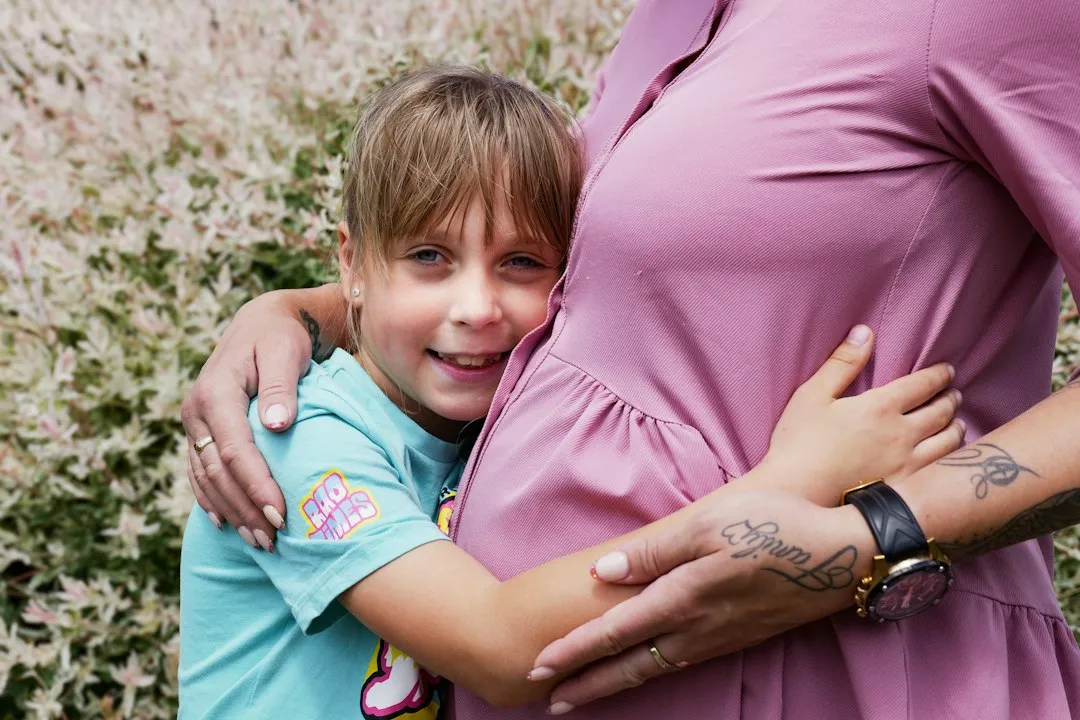
Main image: Lukáš Parničan / Unsplash. Photos are illustrative stock images: they do not show patients, cases or results from The Special Teeth.
Educational information. A professional assessment determines the diagnosis and the appropriate options for each person.