 English

Gum Recession: Causes, Risks and Gum Grafts
When the gum pulls back, the root is exposed. What causes recession, what problems it can bring, how it is classified and what the evidence says about gum grafts.
Gum recession happens when the edge of the gum moves toward the root and exposes part of the tooth that is normally covered. That is why many people notice their teeth look “longer.” It can cause sensitivity, cosmetic concerns and a higher risk of root decay, but it does not always require surgery. What matters is understanding its cause and how it evolves.
Picture this hypothetical scene: Lorena is 45 and, smiling in the mirror, notices that one of her upper canines looks longer than the one on the other side. When she runs a fingernail over the area she feels a small step, and for months that tooth has been bothering her with cold water. Lorena brushes very vigorously because she always believed it protected her teeth. Now she wonders whether she is about to lose it.
What exactly is recession?
The experts who updated the international classification of periodontal diseases in 2017 describe recession as the shift of the gum margin toward the root relative to the junction between enamel and root, which implies loss of attachment and exposure of the root surface (Cortellini & Bissada, 2018). It is one of the so-called mucogingival conditions, and the consensus from the same workshop proposed criteria for describing it and deciding when to treat it (Jepsen et al., 2018).
It is very common. A review of its origins and frequency noted that a large share of adults have at least one area with recession, and that it becomes more frequent with age (Kassab & Cohen, 2003). A population study in a Brazilian city found that recession was common among adults and was associated with factors such as age, smoking and dental calculus (Susin et al., 2004).
Why does the gum recede?
There is no single cause. Several factors usually combine:
- Each person’s anatomy. Thin gums and thin bone over the root are more vulnerable. On some teeth, such as canines, the bone covering the outer side of the root can be very thin or even missing.
- Tooth position. A tooth positioned outside the arch has less bone and gum protecting it.
- Periodontal disease. Periodontitis destroys the tooth’s support and can cause widespread recession.
- Traumatic brushing. It is often mentioned, although a systematic review concluded that the evidence that brushing causes recession is inconclusive (Rajapakse et al., 2007). Even so, a gentle technique with a soft-bristled brush is recommended.
- Other factors. Frenula that pull on the gum, lip or tongue piercings, smoking and some orthodontic movements in people with thin gums.
What problems can it cause?
The root has no enamel, so it is more exposed to wear and decay. In older adults, recession is linked to a higher risk of root caries and to sensitivity, so managing it is part of oral care in aging (Heasman et al., 2017). It can also be a cosmetic concern, especially when it affects the teeth visible when smiling.
A common question is whether recession means the tooth is going to fall out. In most cases, it does not. Many recessions remain stable for years, especially when the factors that promote them are controlled. What matters is monitoring whether it progresses.
How is it classified?
To decide on treatment and estimate the outcome, specialists use classifications. One of the most widely used today is based on whether there is attachment loss in the areas between the teeth. When there is none, complete root coverage with surgery is more likely; when there is, the chances decrease (Cairo et al., 2011). This classification was adopted in the 2017 international consensus (Cortellini & Bissada, 2018).
When and how is it treated?
Not every recession needs surgery. The first step is to correct what promotes it: treating gum disease if present, adjusting brushing technique, reviewing habits and monitoring with periodic measurements. For sensitivity, measures such as desensitizing toothpastes are often enough.
Surgery is considered when recession progresses, causes sensitivity that does not improve, is a cosmetic concern or when the gum is so thin that it is worth reinforcing. This branch of periodontics, known as periodontal plastic surgery, includes several techniques to cover roots and thicken tissues (Zucchelli & Mounssif, 2015).
Grafts to cover the root
A Cochrane review compared different procedures and found that techniques combining a gum flap moved toward the crown with a connective tissue graft, usually taken from the palate, are associated with the best root coverage results, although the quality of the evidence is limited (Chambrone et al., 2018). A review by the American Academy of Periodontology reached a similar conclusion and regarded connective tissue graft-based procedures as a benchmark for root coverage (Chambrone & Tatakis, 2015). For single recessions, another systematic review found that this combination offered the highest chances of complete coverage (Cairo et al., 2014).
Grafts to thicken the gum
In other cases, the goal is not to cover the root but to increase the amount of firm gum around the tooth to stop it from progressing. A systematic review found that free gingival grafts predictably increase the band of keratinized gum and that these results tend to hold over time (Kim & Neiva, 2015).
How to care for receding gums
- Use a soft-bristled brush and gentle strokes, without hard horizontal scrubbing.
- Clean between your teeth daily to control inflammation.
- Use fluoride toothpaste to protect exposed roots against decay.
- If you smoke, quitting protects your gums.
- Ask for your recession to be measured at checkups to know whether it is stable or progressing.
Frequently asked questions
Does the gum grow back on its own? No. Once it recedes, it does not return to its position by itself. Its progression can be stopped and, in some cases, the root can be covered with surgery.
Does a gum graft hurt? It is done under local anesthesia. Afterward there may be discomfort, especially at the palate where the tissue is taken, which is usually managed with pain relievers.
Does orthodontic treatment cause recession? Some tooth movements can promote it in people with thin gums and bone. That is why it is worth assessing the gums before and during treatment.
The end of the story
In our hypothetical case, Lorena went for a periodontal assessment. She was told that the recession on her canine was related to thin gum tissue and the way she brushed, and that there was no attachment loss between the teeth, which made root coverage a favorable option. She first changed her technique and toothbrush; because the sensitivity persisted and the recession bothered her when smiling, she decided to have a graft. Months later, the root was covered and cold water no longer bothered her. Her story shows that recession has identifiable causes and well-supported treatment options.
If you want a professional to take a look
Learn more about gum care at The Special Teeth. If you are coming from the United States, our guide to planning your visit to Tijuana helps with the border crossing and transfers. Whenever you are ready, you can request an evaluation.
References
Cairo, F., Nieri, M., Cincinelli, S., Mervelt, J., & Pagliaro, U. (2011). The interproximal clinical attachment level to classify gingival recessions and predict root coverage outcomes: An explorative and reliability study. Journal of Clinical Periodontology, 38(7), 661–666. https://doi.org/10.1111/j.1600-051x.2011.01732.x
Cairo, F., Nieri, M., & Pagliaro, U. (2014). Efficacy of periodontal plastic surgery procedures in the treatment of localized facial gingival recessions. A systematic review. Journal of Clinical Periodontology, 41(S15), S44–S62. https://doi.org/10.1111/jcpe.12182
Chambrone, L., Salinas Ortega, M. A., Sukekava, F., Rotundo, R., Kalemaj, Z., Buti, J., & Pini Prato, G. P. (2018). Root coverage procedures for treating localised and multiple recession-type defects. Cochrane Database of Systematic Reviews, 2018(10), Article CD007161. https://doi.org/10.1002/14651858.cd007161.pub3
Chambrone, L., & Tatakis, D. N. (2015). Periodontal soft tissue root coverage procedures: A systematic review from the AAP Regeneration Workshop. Journal of Periodontology, 86(2 Suppl), S8–S51. https://doi.org/10.1902/jop.2015.130674
Cortellini, P., & Bissada, N. F. (2018). Mucogingival conditions in the natural dentition: Narrative review, case definitions, and diagnostic considerations. Journal of Periodontology, 89(S1), S204–S213. https://doi.org/10.1002/jper.16-0671
Heasman, P. A., Ritchie, M., Asuni, A., Gavillet, E., Simonsen, J. L., & Nyvad, B. (2017). Gingival recession and root caries in the ageing population: A critical evaluation of treatments. Journal of Clinical Periodontology, 44(S18), S178–S193. https://doi.org/10.1111/jcpe.12676
Jepsen, S., Caton, J. G., Albandar, J. M., Bissada, N. F., Bouchard, P., Cortellini, P., Demirel, K., de Sanctis, M., Ercoli, C., Fan, J., Geurs, N. C., Hughes, F. J., Jin, L., Kantarci, A., Lalla, E., Madianos, P. N., Matthews, D., McGuire, M. K., Mills, M. P., . . . Yamazaki, K. (2018). Periodontal manifestations of systemic diseases and developmental and acquired conditions: Consensus report of workgroup 3 of the 2017 World Workshop on the Classification of Periodontal and Peri-Implant Diseases and Conditions. Journal of Periodontology, 89(S1), S237–S248. https://doi.org/10.1002/jper.17-0733
Kassab, M. M., & Cohen, R. E. (2003). The etiology and prevalence of gingival recession. The Journal of the American Dental Association, 134(2), 220–225. https://doi.org/10.14219/jada.archive.2003.0137
Kim, D. M., & Neiva, R. (2015). Periodontal soft tissue non–root coverage procedures: A systematic review from the AAP Regeneration Workshop. Journal of Periodontology, 86(2 Suppl), S56–S72. https://doi.org/10.1902/jop.2015.130684
Rajapakse, P. S., McCracken, G. I., Gwynnett, E., Steen, N. D., Guentsch, A., & Heasman, P. A. (2007). Does tooth brushing influence the development and progression of non-inflammatory gingival recession? A systematic review. Journal of Clinical Periodontology, 34(12), 1046–1061. https://doi.org/10.1111/j.1600-051x.2007.01149.x
Susin, C., Haas, A. N., Oppermann, R. V., Haugejorden, O., & Albandar, J. M. (2004). Gingival recession: Epidemiology and risk indicators in a representative urban Brazilian population. Journal of Periodontology, 75(10), 1377–1386. https://doi.org/10.1902/jop.2004.75.10.1377
Zucchelli, G., & Mounssif, I. (2015). Periodontal plastic surgery. Periodontology 2000, 68(1), 333–368. https://doi.org/10.1111/prd.12059
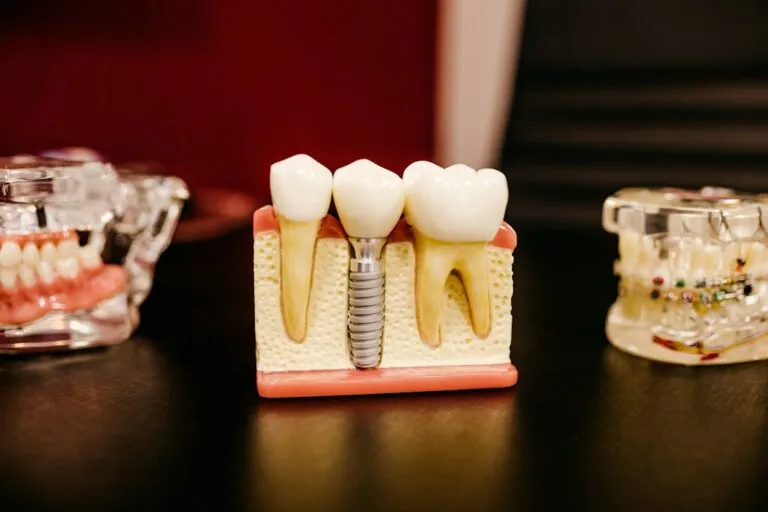
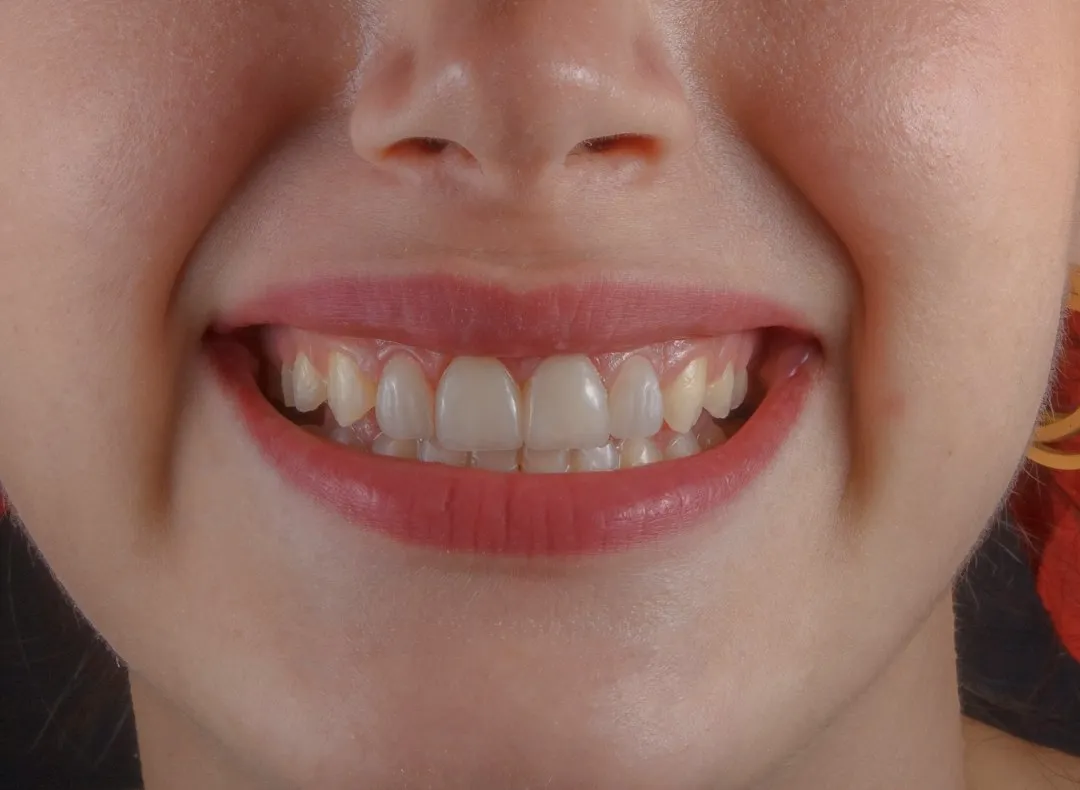
Main image: Ozkan Guner / Unsplash. Photos are illustrative stock images: they do not show patients, cases or results from The Special Teeth.
Educational information. A professional assessment determines the diagnosis and the appropriate options for each person.