 English


Dreaming Your Teeth Are Falling Out: What Science Says About This Nightmare
It is one of the most common nightmares. For centuries it was read as an omen; a 2018 study found a much closer clue: the mouth itself.
In the dream, a tooth comes loose. You touch it with your tongue and it falls out. Then another, and another. You wake up, and the first thing you do is check that they are still there. They are. But the feeling lingers for a while.
It is one of the most common nightmares there is. In a survey cited by Israeli researchers, 39% of people said they had had it at least once, and almost one in six had it repeatedly. For centuries people looked for a hidden meaning in it. In 2018 a study proposed a much closer explanation: the mouth itself.
Two thousand years of interpretations
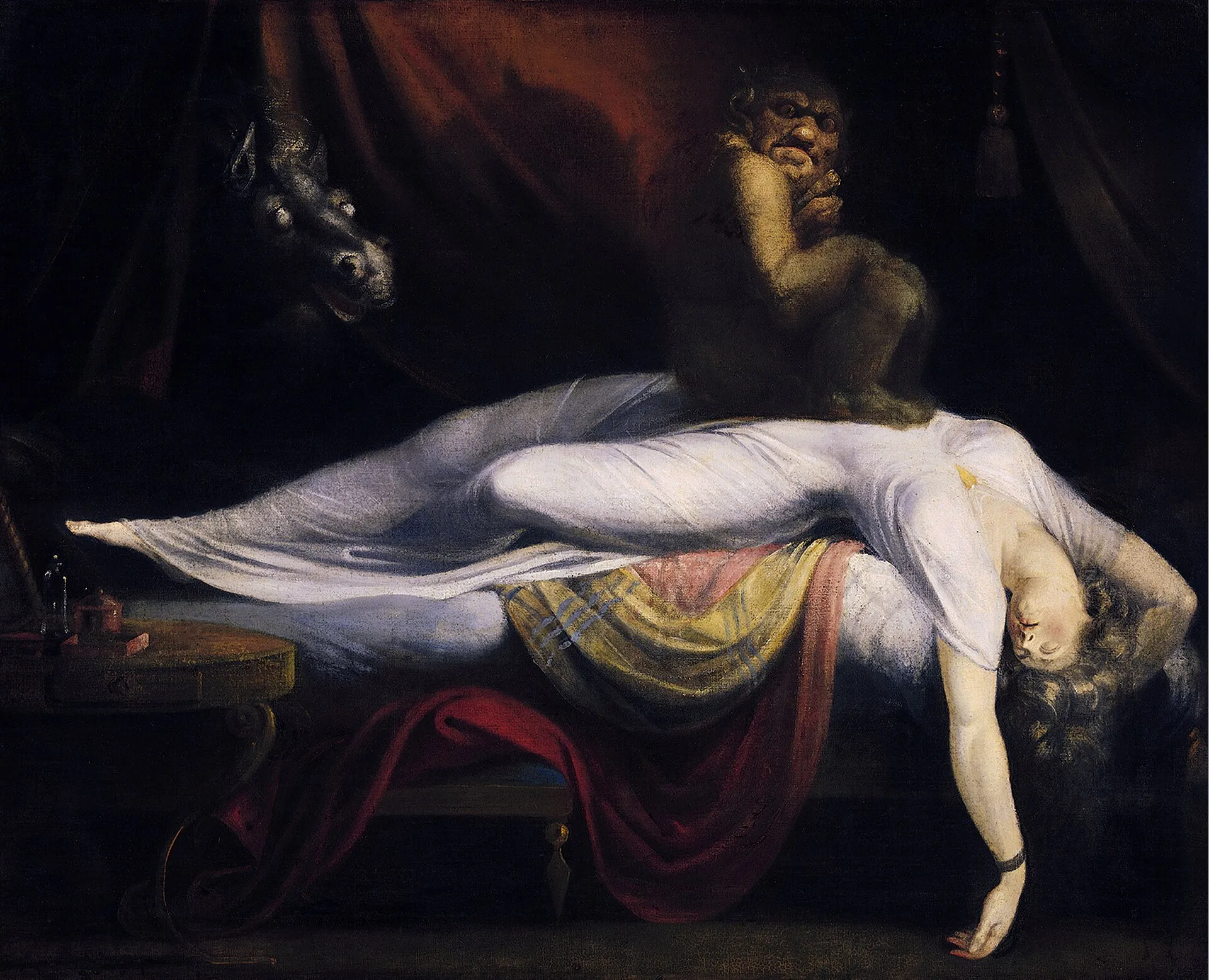
Few dream images have collected so many readings. In ancient Greece, Artemidorus of Daldis, author of one of the first dream-interpretation manuals, assigned meanings to each part of the mouth and linked losing teeth to paying debts. In the Jewish tradition of the Talmud, the dream was read as an omen of a relative’s death, an idea that also circulates in Mexican popular culture.
Sigmund Freud mocked the omen idea and proposed sexual meanings. But he also admitted something often forgotten: that real discomfort in the teeth could influence the dream, though he found this explanation insufficient. Carl Jung linked it in women to childbirth, and other authors to the fear of ageing.
The 2018 study
Two researchers at Ben-Gurion University of the Negev in Israel, Nirit Soffer-Dudek and her co-author Rozen, decided to test two rival explanations. The first, psychological: that these dreams reflect anxiety or stress. The second, physical: that they reflect some discomfort in the teeth, gums or jaw during sleep.
They asked 210 university students how often they dreamed of their teeth falling out, of falling or of suffocating. They also measured psychological distress, sleep quality and whether they woke up with tense or sore teeth or jaws.
The twist: it was not stress
The results pointed in a direction unexpected for the psychological tradition. Teeth dreams were not related to psychological distress. Instead, they were associated, modestly, with tension in the teeth, gums or jaw on waking.
The contrast with other nightmares was revealing. Dreams of suffocating and falling were linked to emotional distress but not to dental tension. In other words, each type of nightmare seemed to have its own origin.
Curiously, teeth dreams were not associated with grinding, but with the feeling of tension. The authors note that the share of people who have these dreams and the share who grind their teeth at some point are similar, which invites further research.
What the study does not say
The authors themselves present it as preliminary, and its limits matter:
- The sample was young students, mostly women.
- Everything was measured with questionnaires, without sleep-lab recordings.
- It shows an association, not a cause. It could even be the other way round: the dream might trigger jaw clenching.
So a dream cannot be used to diagnose bruxism, anxiety or any other condition. And it certainly does not predict misfortune.
What is known and what is still debated
Documented:
- It is a common dream: about 39% have had it at least once, according to one survey.
- In a 2018 study it was associated with dental tension on waking, not with psychological distress.
Still debated:
- Whether dental discomfort causes the dream or the other way round.
- Whether the results hold in other populations.
When it is worth getting checked
The dream itself needs no treatment. But if you also wake up with a tired jaw, pain in your temples, sensitivity or worn teeth, it is worth getting checked, because those are symptoms that can be explained and treated. We cover it in Bruxism: why you clench or grind your teeth and what you can do.
For two thousand years this nightmare was read as a message from fate. Perhaps the message came from much closer: from a jaw that spent the night working.