 English

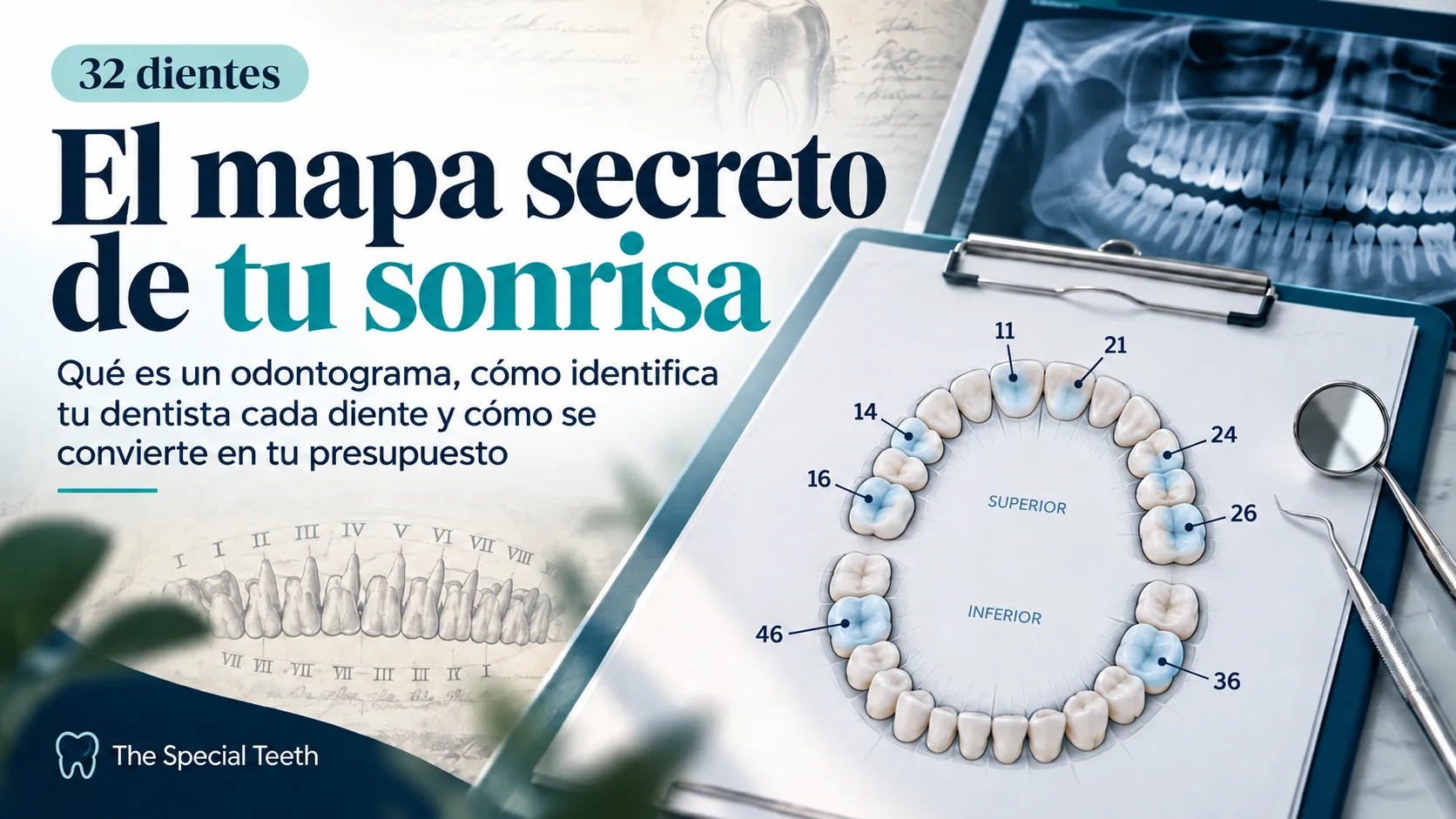
Tooth Names and Numbers: Universal and FDI Dental Chart
Compare Universal and FDI tooth numbers with an adult tooth chart, baby-tooth guide and examples for reading a dental estimate.
“Tooth 14” can identify two different teeth, even on opposite sides of the mouth. The number is the same; the numbering system is different. That matters when a Mexican treatment plan is compared with a U.S. estimate.
Follow the same tooth from the X-ray to the written plan. This guide starts with names and positions and ends with a check you can request at the appointment.
At a glance: a complete permanent dentition can contain 32 teeth, including wisdom teeth. In the Universal system, permanent teeth are numbered 1–32. FDI uses two digits indicating a quadrant and a position. A number by itself may not identify the system, so ask which notation is being used.
1977: a milestone in a shared dental notation
The first ISO 3950 edition was published in 1977 and described a two-digit tooth designation system. That edition has been withdrawn; this guide refers to ISO 3950:2016 for its current-system context (International Organization for Standardization, 1977, 2016). Standardization did not eliminate other notations. The numbering-system name should therefore accompany the tooth number.
Numbering history
- 1977ISO 3950: first edition, now withdrawn.
- 2016Edition referenced in this guide.
Why tooth numbers matter in a dental estimate
An estimate may specify “crown on 14” rather than “the back tooth that hurts.” If you live in the United States and receive care in Tijuana, local records, U.S. insurer forms and a second opinion may use different systems.
For example, Universal 14 is the upper-left first molar; FDI 14 is the upper-right first premolar. These are different teeth. Neither notation is a diagnosis, and the number alone does not show why treatment is indicated.
Permanent tooth chart: names and numbers
The chart faces the patient: their right appears on your left. Large black numbers show Universal notation; smaller green numbers show FDI. The positions are fixed identifiers, not a count that changes when a tooth is missing.
The 32 permanent teeth with Universal and FDI numbers
Four tooth groups and their roles
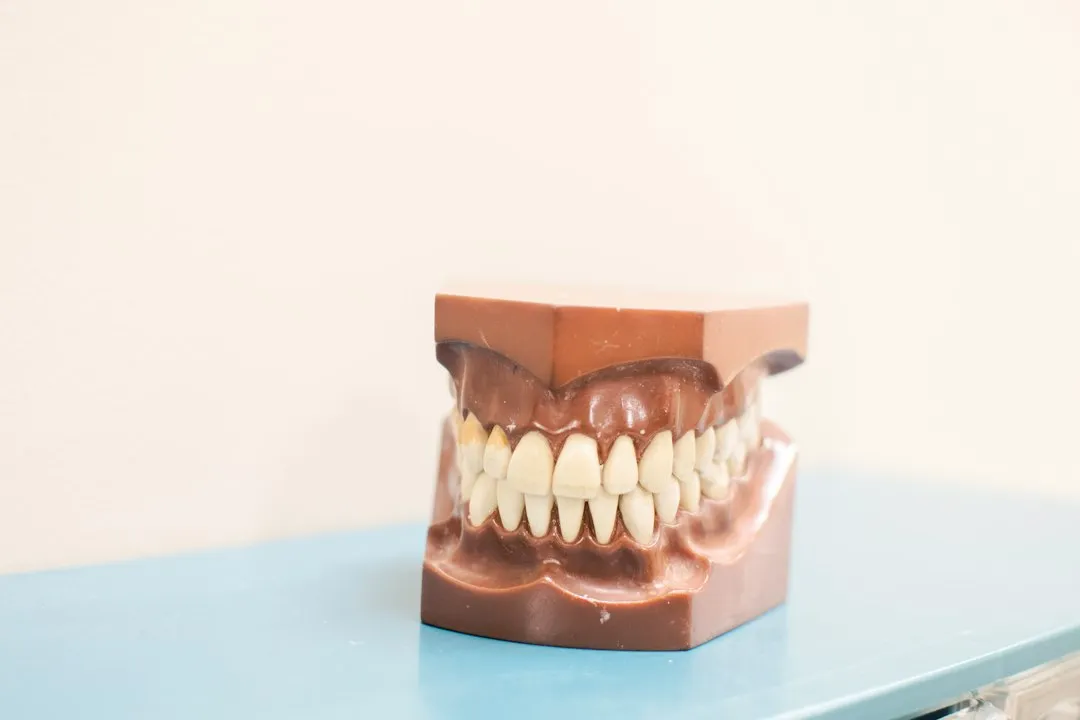
Moving from the center toward the back of each permanent quadrant, the sequence is central incisor, lateral incisor, canine, first premolar, second premolar, first molar, second molar and third molar.
| Group | Positions in each quadrant | General role |
|---|---|---|
| Incisors | 1 and 2 | Cut food; central and lateral incisors form the front of the smile. |
| Canine | 3 | Tear food and participate in guidance during jaw movement. |
| Premolars | 4 and 5 | Crush and help grind food. |
| Molars | 6, 7 and 8 | Grind food; the third molar is the wisdom tooth when present. |
Eight positions in four quadrants gives 32 possible permanent teeth. Actual dentitions vary: wisdom teeth may not develop or may have been removed, and other teeth may also be absent. ADA eruption charts describe the usual sequence rather than a requirement that every adult has all 32 teeth (American Dental Association [ADA], n.d.-b).
Universal numbering: commonly used in U.S. records
Universal numbering starts at the upper-right third molar, tooth 1. It follows the upper arch to the upper-left third molar, 16, continues at the lower-left third molar, 17, and follows the lower arch to the lower-right third molar, 32. Primary teeth use letters A–T (HL7 International, n.d.).
Useful landmarks include the upper central incisors, 8 and 9; lower central incisors, 24 and 25; and first molars, 3, 14, 19 and 30. A missing tooth does not cause the following teeth to be renumbered.
FDI notation: quadrant plus position
The first digit identifies the quadrant. For permanent teeth, 1 is upper right, 2 upper left, 3 lower left and 4 lower right. The second digit counts from the midline: 1 for the central incisor through 8 for the third molar (International Organization for Standardization [ISO], 2016).
The digits are spoken separately. FDI 36 is “three-six,” the lower-left first molar; FDI 11 is “one-one,” the upper-right central incisor. Primary quadrants use 5, 6, 7 and 8, with positions 1–5.
Universal-to-FDI conversion table
Each entry below reads Universal = FDI. Right and left always refer to the patient.
| Tooth | Upper right | Upper left | Lower left | Lower right |
|---|---|---|---|---|
| Central incisor | 8 = 11 | 9 = 21 | 24 = 31 | 25 = 41 |
| Lateral incisor | 7 = 12 | 10 = 22 | 23 = 32 | 26 = 42 |
| Canine | 6 = 13 | 11 = 23 | 22 = 33 | 27 = 43 |
| First premolar | 5 = 14 | 12 = 24 | 21 = 34 | 28 = 44 |
| Second premolar | 4 = 15 | 13 = 25 | 20 = 35 | 29 = 45 |
| First molar | 3 = 16 | 14 = 26 | 19 = 36 | 30 = 46 |
| Second molar | 2 = 17 | 15 = 27 | 18 = 37 | 31 = 47 |
| Third molar | 1 = 18 | 16 = 28 | 17 = 38 | 32 = 48 |
Sources: HL7 International (n.d.) and ISO (2016). Use the complete numbering system when transferring records.
Primary or baby teeth
A complete primary dentition contains 20 teeth: central and lateral incisors, a canine and two molars in each quadrant. There are no primary premolars or wisdom teeth (ADA, n.d.-b).
| Arch and direction | Universal | FDI |
|---|---|---|
| Upper: patient’s right to left | A, B, C, D, E · F, G, H, I, J | 55, 54, 53, 52, 51 · 61, 62, 63, 64, 65 |
| Lower: patient’s left to right | K, L, M, N, O · P, Q, R, S, T | 75, 74, 73, 72, 71 · 81, 82, 83, 84, 85 |
For example, FDI 84 and Universal S identify the lower-right primary first molar. Read why a baby tooth may still need treatment.
Wisdom teeth: four possible positions
The Universal wisdom-tooth numbers are 1, 16, 17 and 32; the corresponding FDI numbers are 18, 28, 38 and 48. Not everyone develops all four, and not every present wisdom tooth needs extraction. Confirm which position and procedure the plan names. See whether all wisdom teeth need removal and what recovery involves.
Reading tooth numbers in your estimate
| Example line | Meaning |
|---|---|
| Root canal 36, FDI | Canal treatment in the lower-left first molar. |
| Zirconia crown 36, FDI | A crown on that same tooth, if clinically indicated. |
| Implant 46, FDI | Implant treatment in the lower-right first-molar space. |
| Crown #19, Universal | A crown on the lower-left first molar, equivalent to FDI 36. |
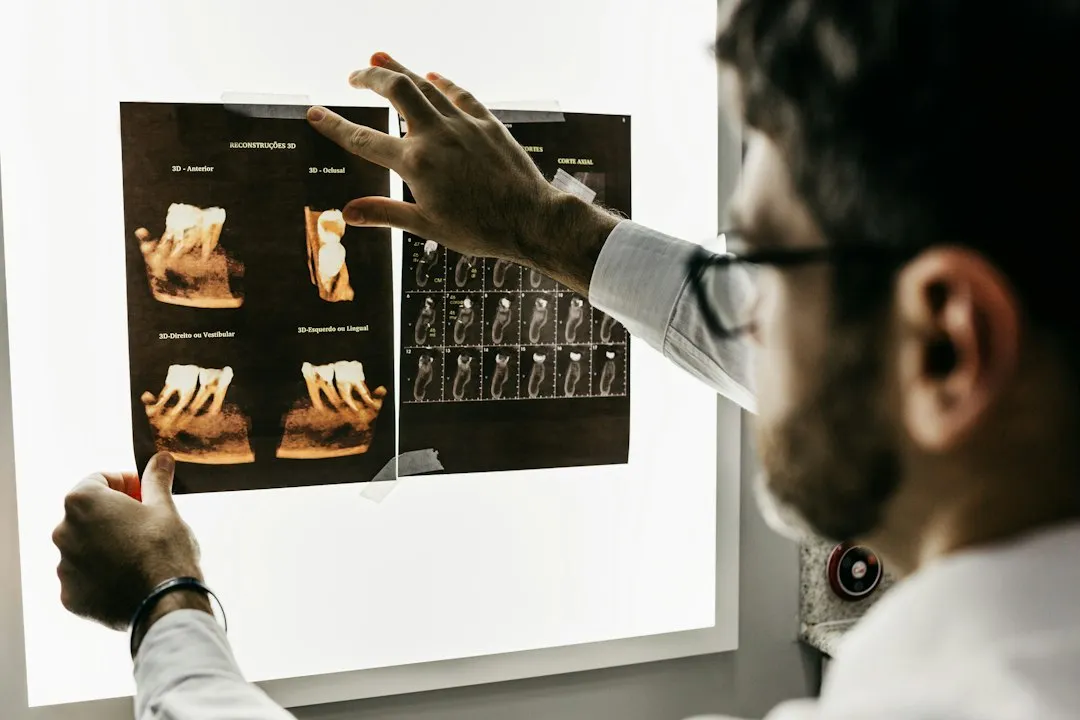
Ask which system is used, have the clinician identify the tooth on the image, and check that all proposed stages are listed. An estimate may contain several lines for one location: root canal, build-up and crown, or implant, abutment and crown. For U.S. insurance records, confirm that the correct system is supplied rather than copying a number across unchanged.
The check that resolves the “14” confusion
Universal 14 equals FDI 26, the upper-left first molar. FDI 14 equals Universal 5, the upper-right first premolar. Copying “14” without its notation changes the tooth being named. Ask the team to point to the location on the radiograph and record the conversion when needed. The chart helps orientation; the clinical record confirms the intended treatment.
Frequently asked questions
How many adult teeth are there?
A complete permanent dentition has 32 positions including four wisdom teeth. The actual number present varies.
Which tooth is number 30?
In Universal notation it is the lower-right first molar, FDI 46. FDI does not use “30” for a tooth position.
How do I identify the system?
Check its written name. Numbers such as 14 or 28 can belong to more than one system; guessing from the digits is unsafe.
Why does the chart’s right appear on the left?
It faces the patient, so the patient’s right is the viewer’s left.
The same tooth, from quotation to treatment
Keep the notation, tooth number and proposed procedure together. Bring the relevant imaging when requesting a second opinion or submitting records to an insurer. For costs and components, see dental estimates, root canal costs, crown costs and implant estimates.
References
American Dental Association. (n.d.-a). Crowns. MouthHealthy. https://www.mouthhealthy.org/all-topics-a-z/crowns
American Dental Association. (n.d.-b). Eruption charts. MouthHealthy. https://www.mouthhealthy.org/all-topics-a-z/eruption-charts
HL7 International. (n.d.). ADA Universal Tooth Designation System. HL7 Terminology. https://terminology.hl7.org/5.5.0/NamingSystem-ADAUniversalToothDesignationSystem.html
International Organization for Standardization. (1977). Tooth designation for dental purposes: Two-digit system (ISO 3950:1977) [Withdrawn standard]. https://www.iso.org/standard/9599.html
International Organization for Standardization. (2016). Dentistry — Designation system for teeth and areas of the oral cavity (ISO 3950:2016). https://www.iso.org/standard/68292.html
Educational information. A professional evaluation determines the diagnosis and appropriate options for each patient.