 English
The sea unicorn's horn is a tooth: the story of the narwhal
Europe paid fortunes for unicorn horns that were really narwhal teeth. How the deception was uncovered and why that tooth is a sensory organ.
For centuries, European courts paid fortunes for a long, white object twisted into a spiral. They called it unicorn horn. It was said to detect poison and to cure epilepsy and plague. One account says it was worth ten times its weight in gold, and Queen Elizabeth I of England offered a large reward for one.
It was not a horn. And it did not come from a magical horse. It was a tooth.

A tooth that pierces the lip
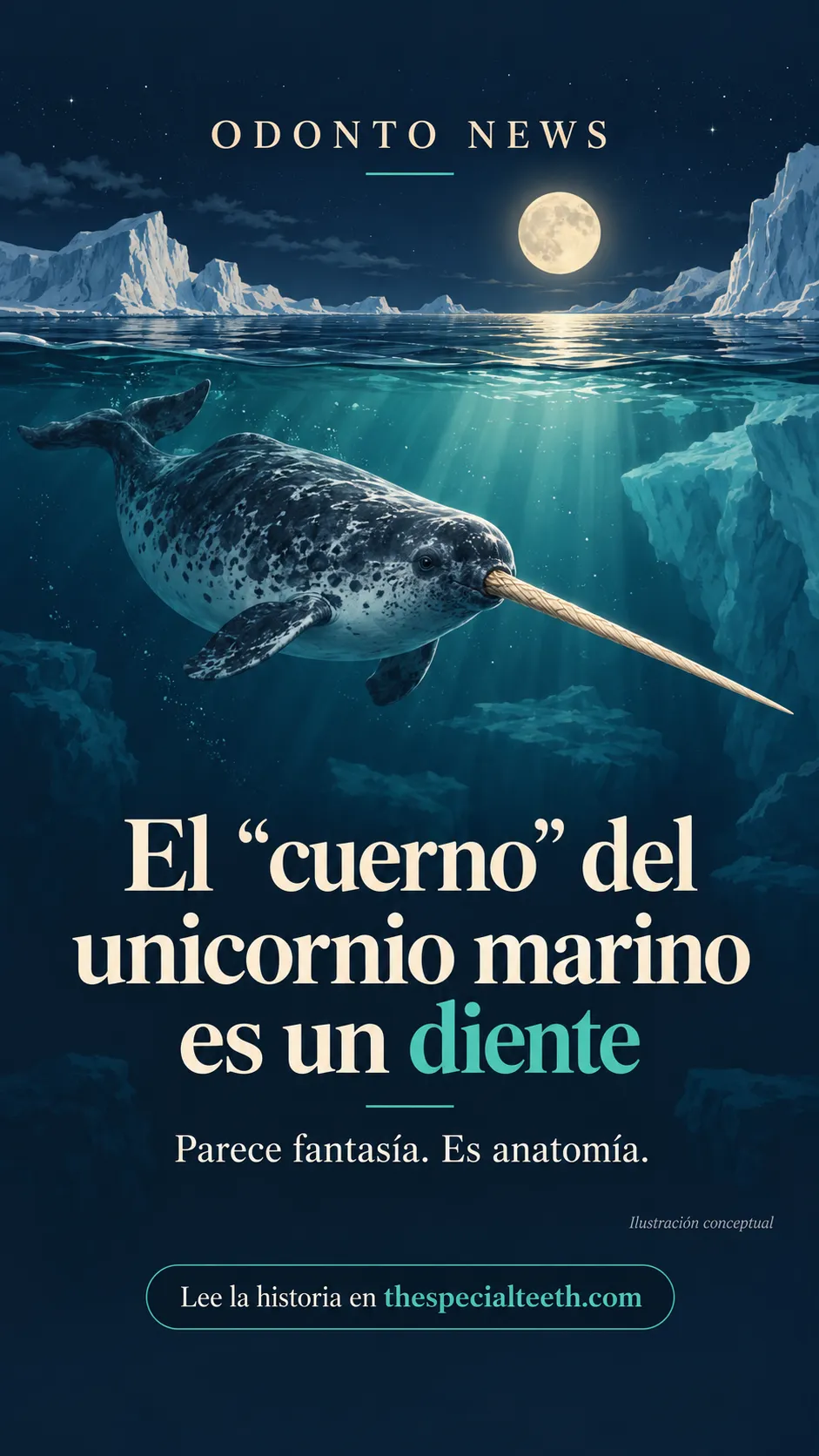
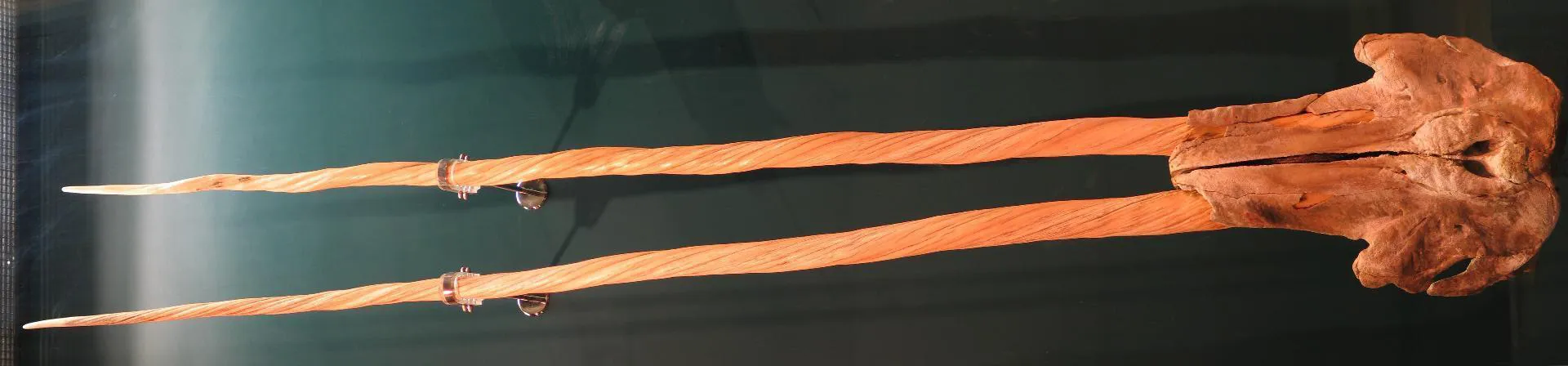
The narwhal is a toothed whale that lives in icy Arctic waters. In males, almost always the upper left canine keeps growing until it pierces the lip and projects forward, in a spiral, like a lance that can reach around 2.7 metres. The tooth on the other side usually stays inside the bone. Some females also grow a tusk, and in rare cases a narwhal has two.
What happens before birth is curious. According to dentist and researcher Martin Nweeia of the Harvard School of Dental Medicine, male narwhal embryos form eight pairs of teeth, but after birth only two pairs develop, and usually only one of those teeth becomes the tusk.
The “unicorn” trade
In the Middle Ages, Scandinavian sailors carried narwhal tusks south and sold them, whole or in pieces, as unicorn horns. No one in Europe’s cities had ever seen a narwhal. It was easier to believe in the unicorn, which already appeared in books and tapestries.
The prestige lasted so long that in the late 17th century Denmark built a royal throne whose columns and legs are made of narwhal tusks. It is kept at Rosenborg Castle in Copenhagen.
The twist: the naturalist who showed the skull
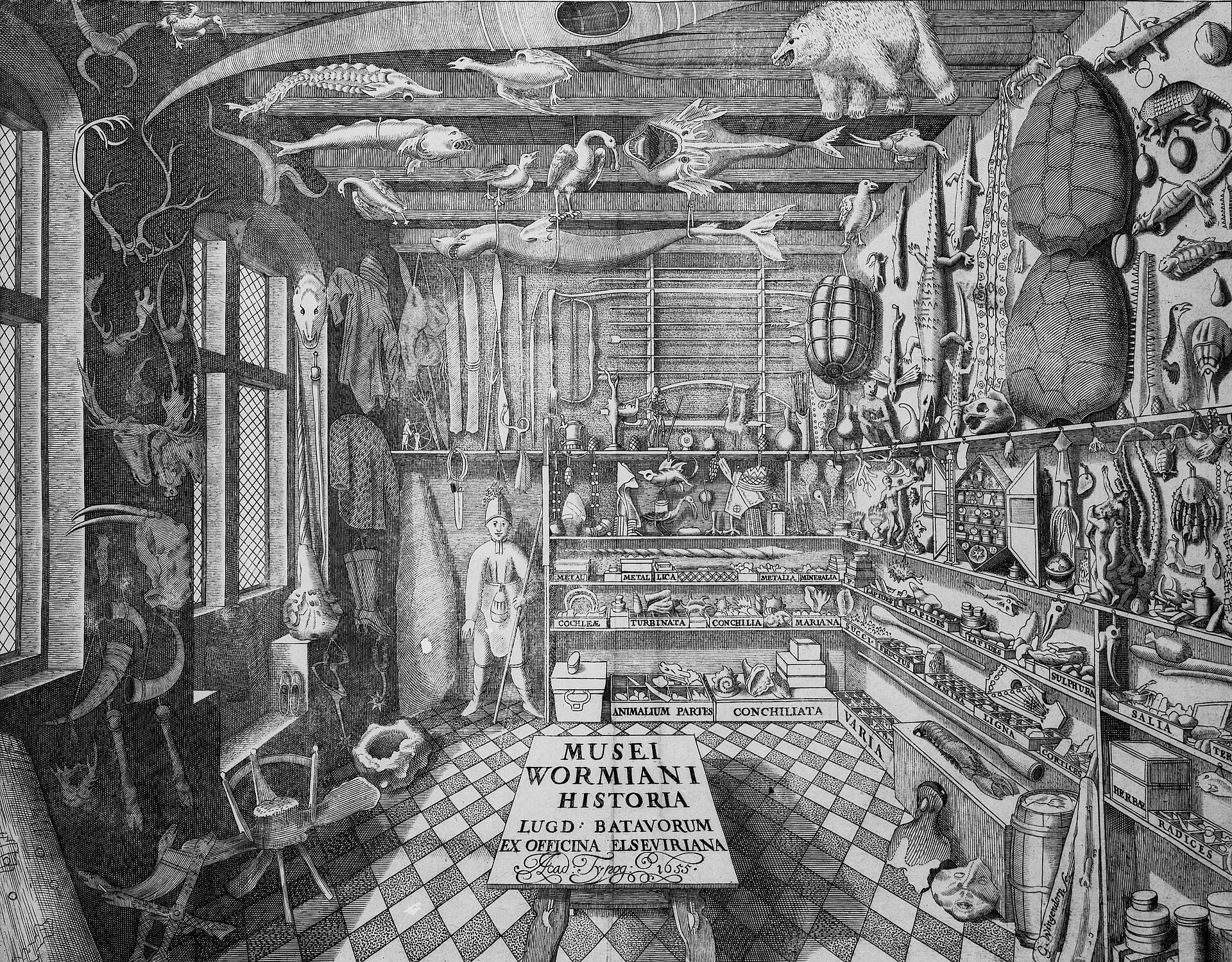
In 1638 the Danish physician and collector Ole Worm examined these “horns” and concluded that they came from an Arctic whale. To prove it, he displayed in his cabinet of curiosities a complete skull with the tusk still attached. Over time the trade in unicorn horn lost its value.
A tooth turned inside out
The tusk’s biology is as strange as its history. In our teeth, hard enamel is on the outside and protects what lies within. The narwhal tusk is almost the opposite: a rigid central core surrounded by a more flexible outer layer, crossed by tiny tubules that open to the water.
In 2014, Nweeia and his team reported in The Anatomical Record that those tubules connect to nerves in the tooth’s pulp. In tests with live narwhals, they ran water of different salinity over the tusk and the animals’ heart rates changed. It was the first time a tooth had been shown in a living animal to work as a sensory organ in response to a normal environmental condition.
What is known and what is still debated
Documented:
- The narwhal tusk is a tooth, usually the upper left canine.
- For centuries it was sold in Europe as unicorn horn.
- Ole Worm demonstrated its origin in 1638.
- The tusk has nerve connections and responds to changes in salinity.
Still debated:
- What narwhals use it for day to day: sensing the environment, display among males or other functions still under study.
The sensitivity of a tooth
The narwhal tusk helps explain something familiar to anyone who feels a twinge when drinking something cold. Our dentine also has microscopic tubules. When enamel wears away or gums recede, those tubules are exposed and temperature changes reach the nerve. We explain why this happens and how to relieve it in Tooth sensitivity: why cold makes your teeth hurt.
The narwhal turned that sensitivity into a sense. And Europe took centuries to realise its “unicorn” literally had a nerve.
Sources
- Harvard Gazette (2014) — Secrets of the narwhal tusk (Nweeia et al., The Anatomical Record)
- Cleveland Museum of Art — Hunting for a unicorn horn: narwhal tusks
- Linda Hall Library — Ole Worm
- Atlas Obscura in Slate — Denmark’s throne and narwhal tusks
- NOAA Fisheries — Narwhal
- Smithsonian Institution — Understanding the narwhal’s smile