 English


Elephant tusks: the tooth that led to celluloid and changed evolution
Billiard-ball ivory was elephant dentine. The search for a substitute gave rise to celluloid, and hunting for that tooth ended up changing the genome of an entire population.
In the mid-19th century, in billiard halls across the United States and Europe, every ball that clacked across the cloth was a piece of tooth. The best ones were carved from ivory, and ivory came from elephant tusks. When that material became scarce, a billiards company offered a reward to whoever could invent a substitute. The answer gave rise to one of the first plastics.
A century and a half later, the same ivory triggered another transformation, this time in the elephants themselves.
An incisor that never stops growing
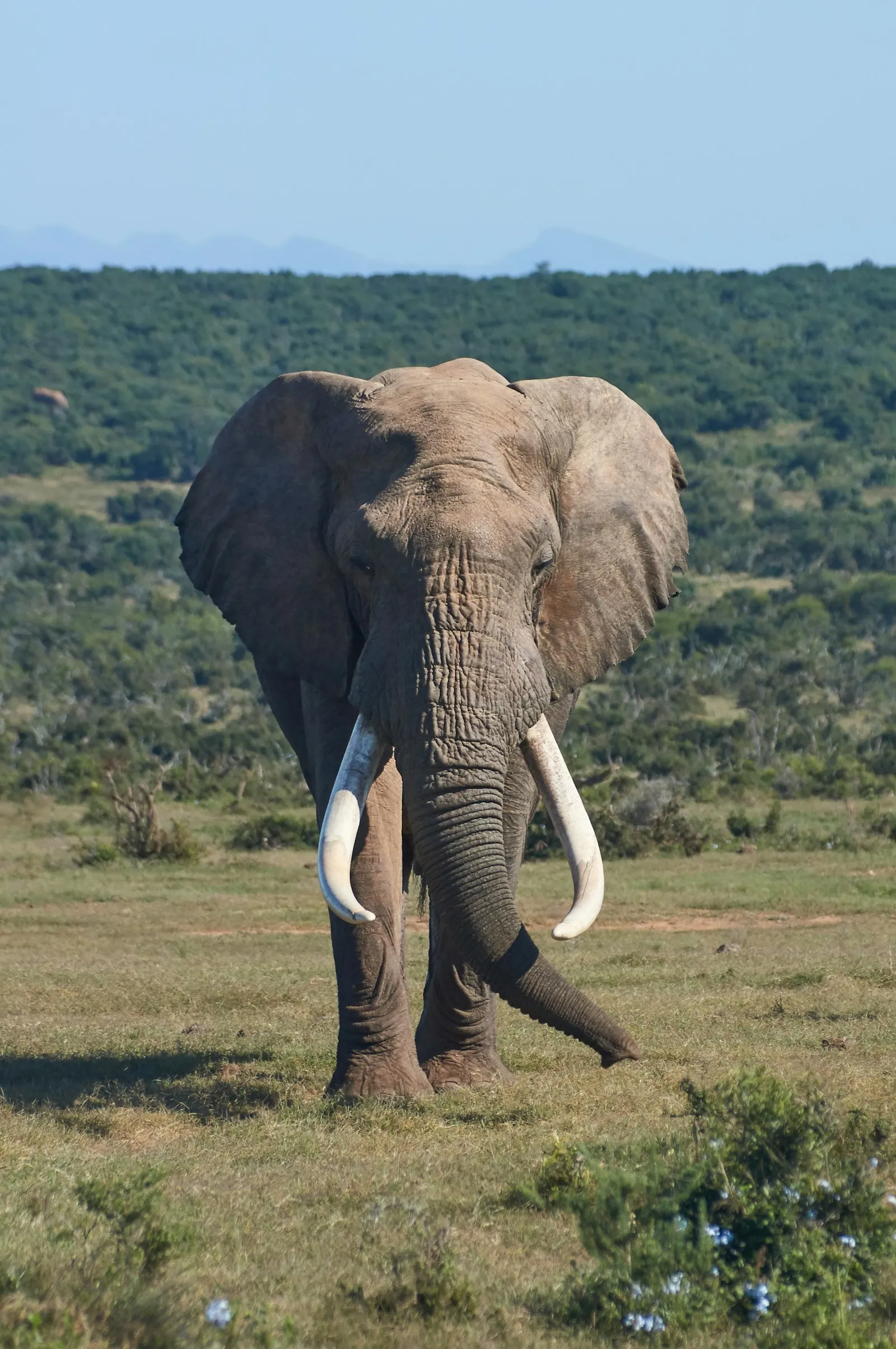
Elephant tusks are not horns or bones. They are upper incisors that grow throughout the animal’s life. According to South African National Parks, roughly a quarter of the tusk sits inside the skull, and inside it there is a pulp cavity, as in any tooth.
The material we call ivory is dentine, the same tissue that makes up most of our own teeth. In an elephant tusk it accounts for about 95%. Young elephants have a small layer of enamel at the tip, but it soon wears off and is not replaced. What remains visible is dentine covered with cementum.
A cross-section of a tusk shows a distinctive cross-hatched pattern called Schreger lines. It is one of the signs used to tell elephant ivory from other materials.
The billiards problem
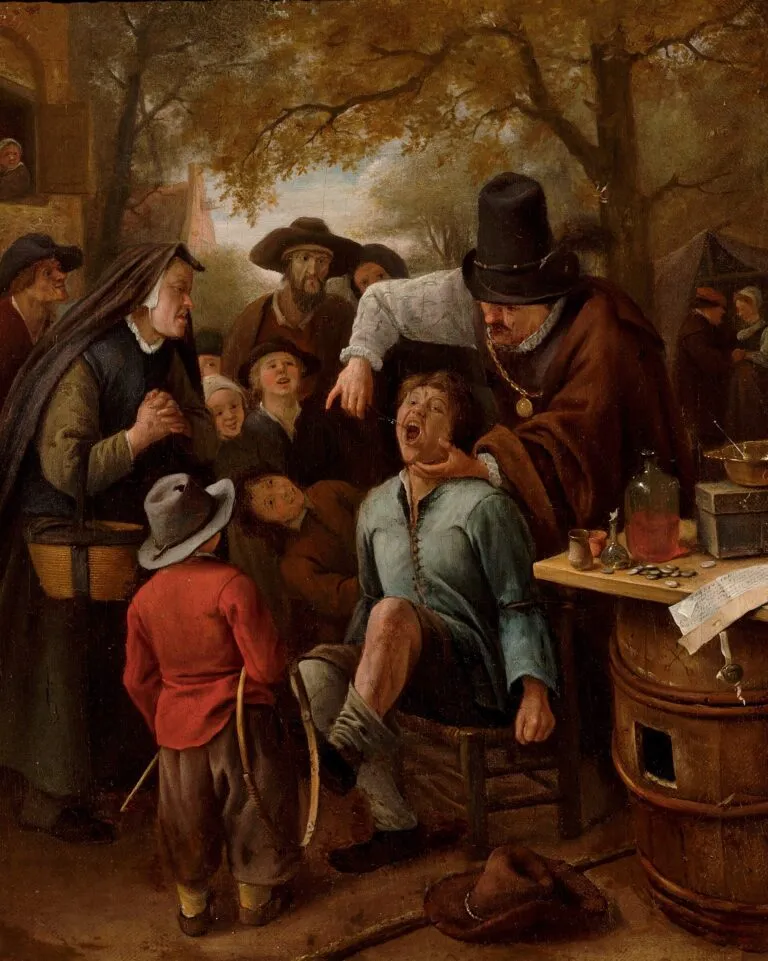
In the 19th century, ivory was used for piano keys, combs, cutlery handles, buttons and also dental pieces: George Washington’s dentures, for example, included hippopotamus, walrus and probably elephant ivory. But billiard balls demanded something harder to obtain: large, dense pieces without cracks.
According to McGill University’s Office for Science and Society, in 1864 the US company Phelan and Collender offered $10,000 to anyone who could find a material to replace ivory in billiard balls.

A printer from Albany
John Wesley Hyatt, a printer from Albany, New York, took up the challenge. His first attempt was to press bone or ivory dust with shellac, without success. Later he worked with collodion, a nitrocellulose solution. The mixture of nitrocellulose and camphor got a name suggested by his brother Isaiah: celluloid.
Celluloid ended up in billiard balls, combs, handles and, years later, in photographic and motion-picture film. It is not clear whether Hyatt ever collected the reward.
The twist: elephants born without tusks
Substitutes did not end the demand for ivory. In Mozambique, during the civil war of 1977 to 1992, hunting elephants for their tusks helped finance the conflict. In Gorongosa National Park, the elephant population fell drastically.
Hunters went after animals with tusks. Females born without them, because of an uncommon genetic condition, were more likely to survive. In 2021 a team led by Shane Campbell-Staton and Robert Pringle of Princeton University published in Science what that led to.
At the start of the war, tuskless females made up about 18% of females in Gorongosa. After the conflict they came to make up more than half. Over the period studied, tuskless females were about five times more likely to survive than tusked ones.

A trait only females inherit
The study also explained why there are almost no tuskless males. The researchers found that the trait is linked to the X chromosome and, according to their hypothesis, is lethal to males who inherit it, who are never born. That is why tuskless mothers had about two-thirds female calves.
The genes identified, AMELX and MEP1a, are involved in tooth development in many mammals. In humans, AMELX is linked to an X-linked disorder that affects the growth of the lateral incisors.
What is known and what is still debated
Documented:
- Elephant tusks are upper incisors, and ivory is mainly dentine.
- In 1864 a reward was offered for an ivory substitute for billiard balls, and Hyatt’s work led to celluloid.
- In Gorongosa, the share of tuskless females rose after the civil war, according to the study published in Science in 2021.
Still debated:
- Stories of celluloid balls exploding on impact are widely repeated, but the McGill source itself treats them as more legend than fact.
- How long it will take the population to return to its earlier share of tusked females.
- What ecological effects more tuskless elephants will have, since tusks are used to dig and strip bark from trees.
When a tooth is missing from birth
A tooth that never forms also happens in people. It is called dental agenesis, and the upper lateral incisors are among the teeth most often missing. Sometimes it goes unnoticed until the baby tooth falls out and the permanent one never appears. We explain what happens when a tooth is missing and what the options are in What happens if you are missing a tooth, and what ivory dentures were really like in George Washington’s teeth.
An elephant’s tooth changed the way everyday objects are made. And the pressure on that same tooth ended up leaving its mark on the genome of an entire population.
Sources
- South African National Parks — Tusks & Ivory
- San Diego Zoo Wildlife Alliance — Tusk Tales
- McGill Office for Science and Society — Artificial billiard balls and celluloid
- NOVA / PBS (2021) — Extreme ivory poaching led to tuskless elephants in Mozambique
- Campbell-Staton, S. C. et al. (2021). Ivory poaching and the rapid evolution of tusklessness in African elephants. Science 374: 483-487
- George Washington’s Mount Vernon — Washington’s teeth