 English

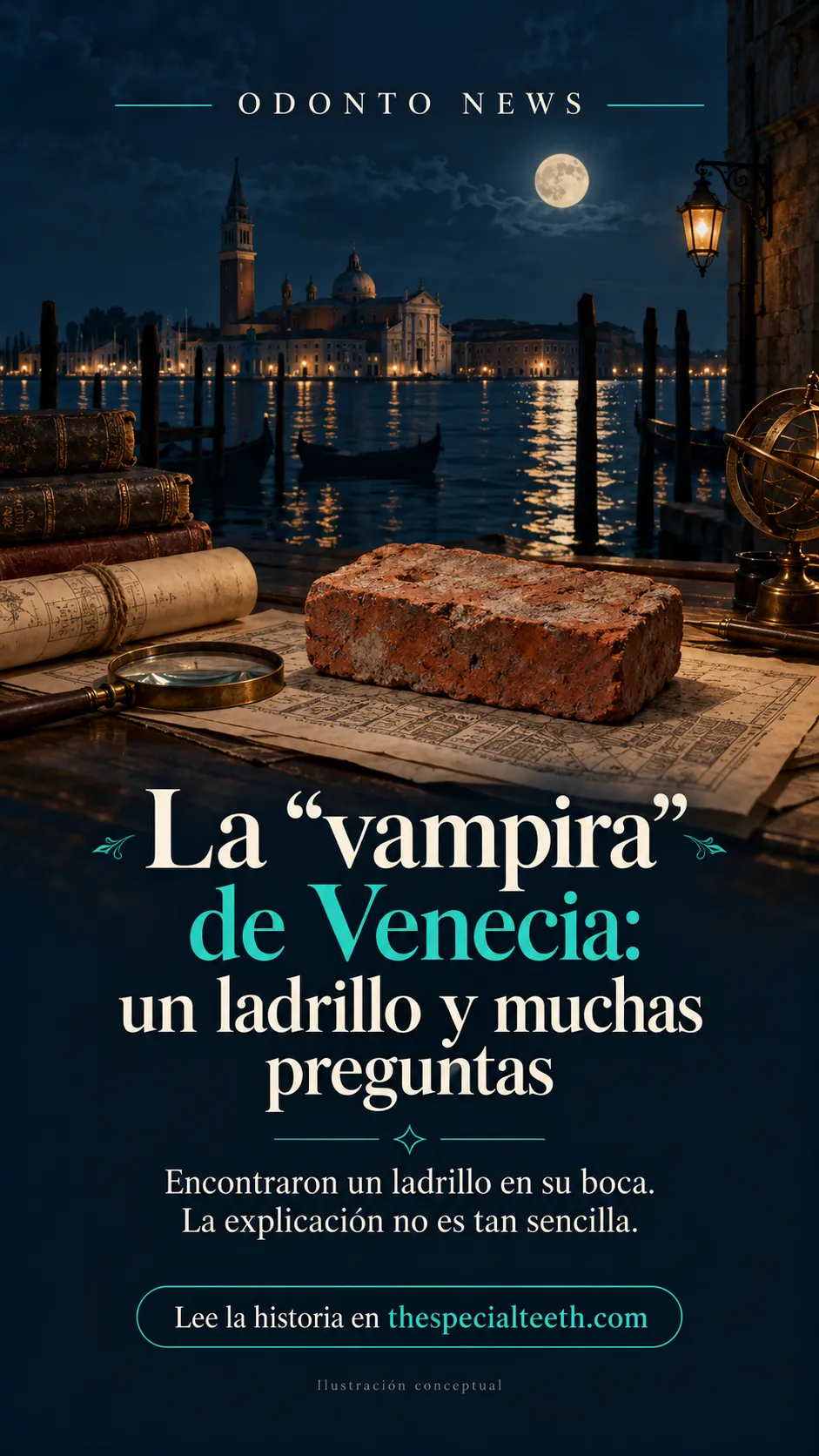
The Vampire of Venice: The Skull With a Brick in Its Mouth and the Debate It Started
In a plague grave, archaeologists found a woman with a brick in her mouth. Her teeth revealed her age; the brick started a debate that is still alive.
In 2006, on a small island in the Venetian lagoon, archaeologists were excavating a mass grave of plague victims. Among hundreds of jumbled bones lay one skeleton that looked different: it was face up, with the chest intact. Wedged in its open mouth was a brick.
The image travelled the world with a nickname it still carries: the “Vampire of Venice”. Behind the headline is serious research, a set of teeth that helped estimate the woman’s age, and a scientific debate that is still open.
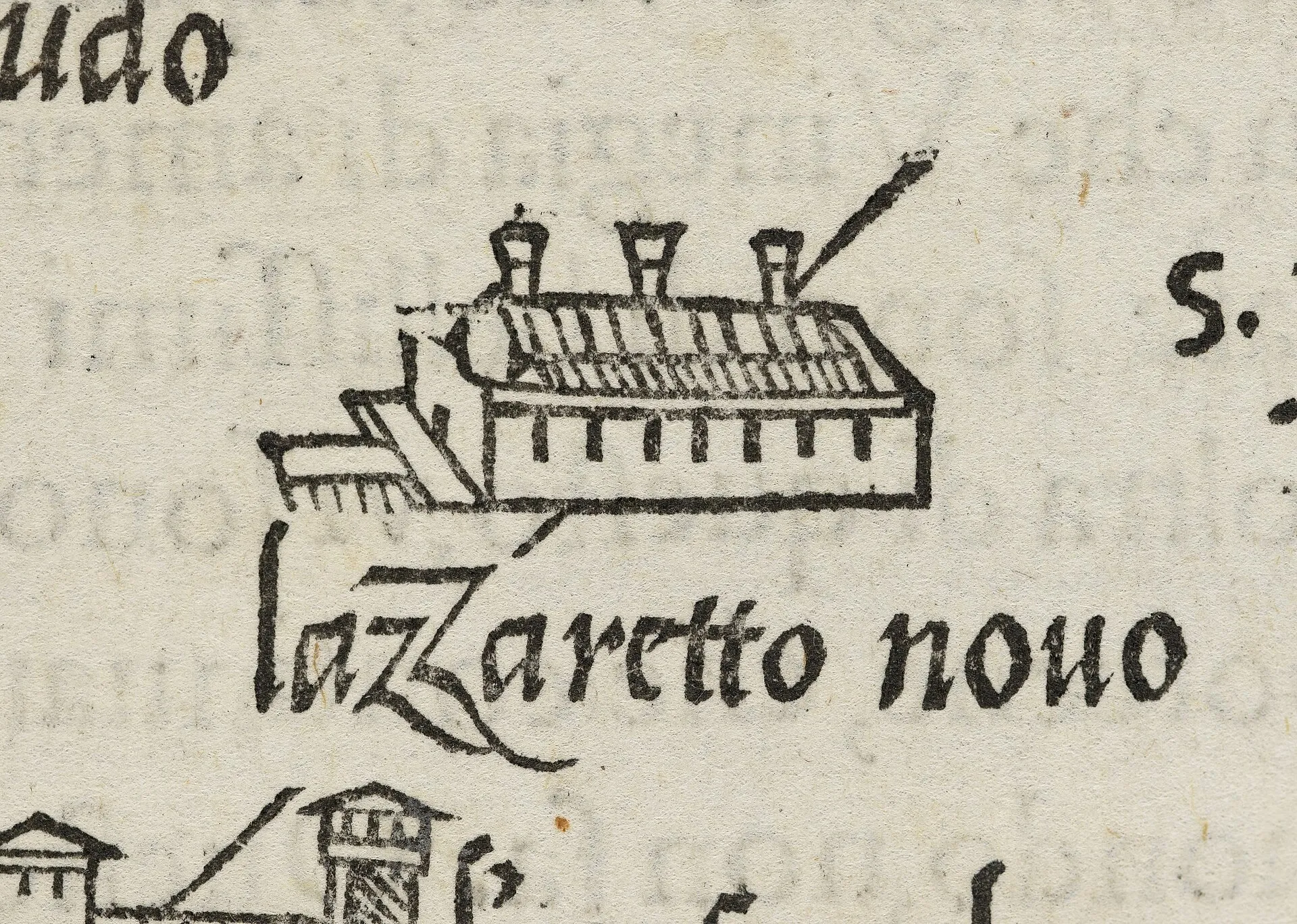
The quarantine island
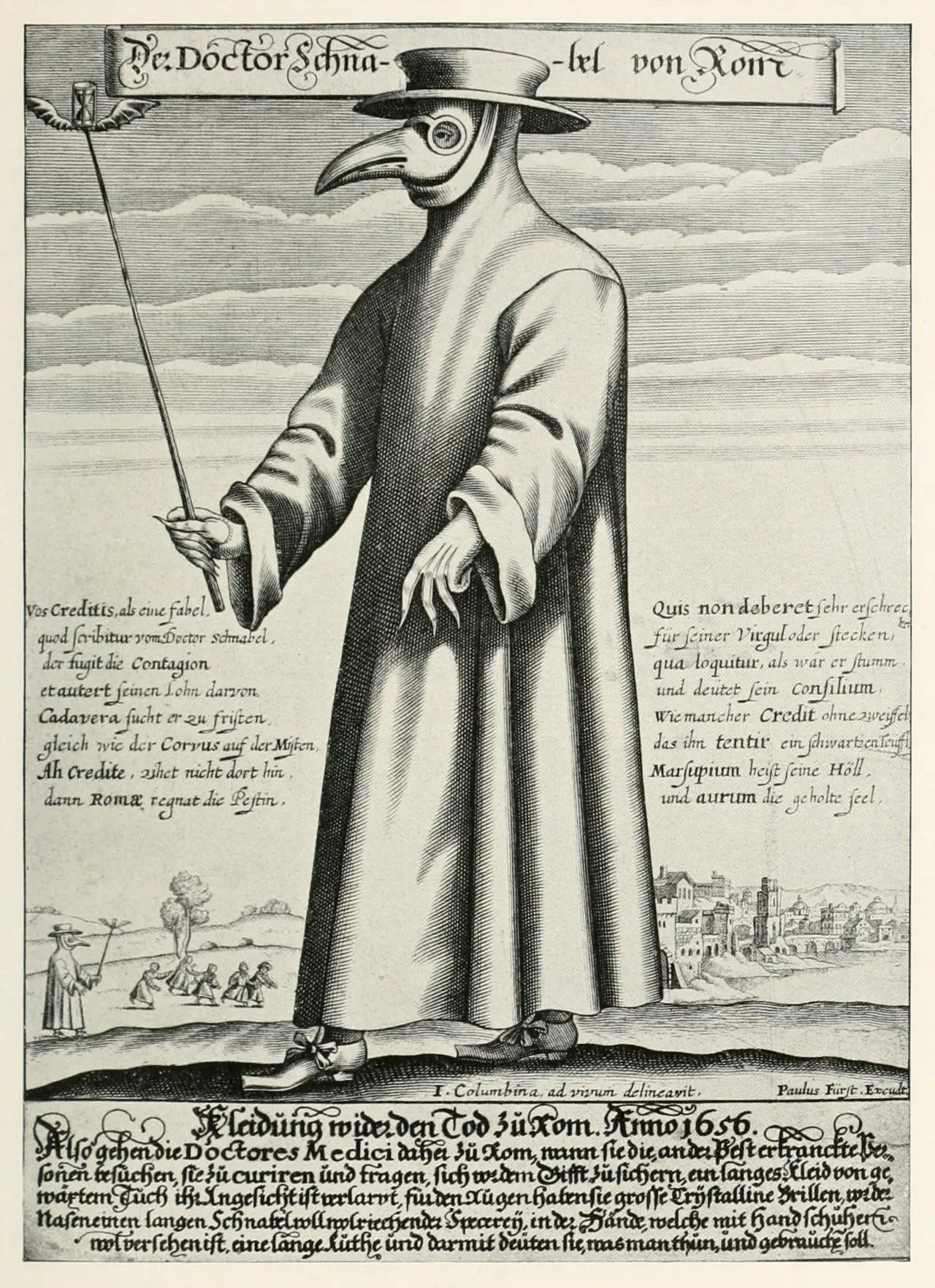
Venice lived on sea trade, and epidemics arrived with the cargo. To contain them, the republic isolated the sick and the suspected on lagoon islands called lazarettos. Lazzaretto Nuovo mainly held people and ships under observation; when plague overwhelmed the city, it filled with the dead too.
The epidemic of 1575 to 1577 was one of the worst. By some estimates it killed about 50,000 people, nearly a third of the city. Bodies were buried quickly in mass graves that were reopened again and again for new victims.
What they found in the grave
The 2006 and 2007 excavations, promoted by the Archaeological Superintendency of Veneto, studied those graves. Forensic anthropologist Matteo Borrini, then at the University of Florence, documented the skeleton with the brick. The shape of the skull and the size of the upper arm bone indicated a woman.
This is where dentistry comes in. Forensic odontologist Emilio Nuzzolese examined her teeth with X-rays to estimate her age. The result surprised the team: about 61 years, give or take five. Old for the time, though not exceptional.
In 2010 Nuzzolese and Borrini published the case in the Journal of Forensic Sciences. They concluded that the moderately sized brick held the jaw wide open and had not fallen in by accident or come from the surrounding soil. In their view, someone put it there on purpose.
The dead who “chewed”
Why put a brick in a dead woman’s mouth? Borrini’s explanation draws on the European folklore of the nachzehrer, a corpse believed to chew its shroud in the grave and so spread disease.
The belief had an observable basis. As a body decomposes, it can release a dark, blood-like fluid from the mouth and nose. That fluid soaks the cloth near the mouth, which sags into the jaw and tears. To a gravedigger reopening a pit in the middle of an epidemic, it could look like a corpse biting its shroud. A brick or stone between the teeth, on this reading, stopped it from “eating”.
The conflict: ritual or accident?
Not everyone was convinced. In 2012 palaeopathologist Simona Minozzi of the University of Pisa and colleagues replied in the same journal. Their arguments were specific:
- Site photos show the body surrounded by stones, bricks and tiles: the brick may have fallen into a mouth that was already open.
- Corpses’ jaws often hang open. At another Venetian cemetery, Lazzaretto Vecchio, a thighbone was found inside a mouth, and nobody called it a ritual.
- There is no clear evidence that the woman was wrapped in a shroud.
- The nachzehrer belongs to northern German folklore, not Italian.
Borrini replied that the excavation details supported his reading and that Venice, a city of traders and travellers, was a place where legends moved easily. Other experts questioned a side idea spread by the press: that the woman had been accused of witchcraft because of her age. Historian Jason Coy noted that being 60 was not enough to raise that suspicion.
A face for “Carmilla”
In 2024 Borrini published a facial approximation of the woman, made on a 3D-printed replica of her skull for a National Geographic documentary. The team gave her an informal name, Carmilla, after the first female vampire in literature. It is an interpretive reconstruction: it helps us imagine a person, but it is not a portrait.
What is known and what is still debated
Documented:
- A woman’s skeleton with a brick in its mouth was found in a plague grave on Lazzaretto Nuovo.
- Her teeth allowed an age estimate of about 61.
- The belief in corpses that chewed their shrouds existed in Europe.
Still debated:
- Whether the brick was placed deliberately or fell in by accident.
- Whether that belief circulated in 16th-century Venice.
- Anything about the woman’s life beyond what her bones say.
What the teeth revealed
The most solid part of the case is not the legend but what the teeth revealed. A dental X-ray was enough to estimate the age of a woman who died almost 450 years ago, and the same logic is still used in forensic dentistry to identify people. The question of the brick, by contrast, shows how an observation can become a headline before specialists have finished debating it. For another story in which teeth keep a memory, read Waterloo Teeth: The True Story of Dentures Made With Human Teeth.
The brick is still there in the excavation photos. What we do not know is who put it there, if anyone did.
Sources
- Nuzzolese and Borrini (2010), Journal of Forensic Sciences 55(6): 1634–1637
- Live Science (2012) — the Borrini–Minozzi debate
- National Geographic (2010) — age, diet and the witchcraft hypothesis
- Borrini (2024), Archivio per l’Antropologia e la Etnologia 154: 35–50
- Archaeology — interview with Matteo Borrini